

Table of Contents
Setting di Scene — Problem-Driven Lead
Everytime wi set up a training sortie, di same headache start: sensors drift, servos misalign, and mission time get pinch. Dat problem show up bad when wi deal wid fixed wing drones in rough field lanes — true story from a week a work at Fort Bragg where teams haffi hustle fi keep sorties clean. Dis piece focus pon di root problems: calibration slippage, field maintenance gaps, and quick fixes dat mek training reliable. Expect clear steps, tool recs, and common mistakes so yuh crew can mend systems fast without send di airframe back to workshop.

Calibration Essentials fi Field Ops
Start wid basics: gyro and magnetometer bias, GNSS alignment, and autopilot sensor fusion. Keep di flight controller and IMU stable — warm-up time matter. Use a calibrated compass wand or a simple three-point calibration routine when yuh change airframe or payload. Use concise telemetry logs fi baseline readings so yuh can spot drift over time. Keep notes on firmware versions; small changes in control law or sensor drivers alter response and demand re-calibration.
Minimal Toolkit dat Mek a Big Difference
Pack light but right: a precision screw set, encrypted laptop with ground station software, a handheld GNSS receiver, VHF/UHF radio for telemetry checks, spare servo arms, and a dual-output battery checker. Add a multimeter and a small vibration isolation pad fi run bench tests. Keep spare propellers and quick links for control surfaces. These tools shorten turnarounds and reduce grounded sorties.

Pre-Flight Maintenance Flow (Step-by-Step)
Run dis streamlined checklist each morning:
– Visual airframe inspection: skins, control surfaces, hinges.
– Power system check: battery health, BMS readings, connectors.
– Sensor health: IMU bias, compass calibration, GNSS lock time.
– Autopilot and ground station sync: firmware, fail-safes, telemetry link test.
Record each result in a shared log file. Di simple act a logging build situational memory and reduce repeat failures.
Common Mistakes and How Fi Avoid Dem
Teams often mek di same slipups: rush past warm-up, mismatch firmware between ground station and autopilot, and ignore micro-cracks on control horns. Fix dem by standardising a two-person sign-off on calibration and swapping the ‘rush’ mentality fi a small time buffer. — Also, neglecting environmental effects like nearby metal structures or power lines degrade compass performance; move instrument checks to a neutral spot.
When to Repair vs Replace
Not every fault need a new airframe. Repair if structural integrity remain, electronics slot into a known performance envelope, and cost of part plus man-hours less dan replacement. Replace when multiple avionics fail, or when airframe history show repeated fatigue. Use telemetry fault frequency and post-sortie vibration spectra to decide — hard data help make smart calls.
Alternatives and Upgrades Worth Considering
If repeated calibration drift happen, consider higher-grade IMUs, dual-antenna GNSS for better heading hold, or redundant flight controllers with hot-swap capability. For training fleets, modular payload mounts speed swaps and reduce re-calibration. Compare cost per flight hour before upgrade — sometimes better procedures and logs give more value than expensive hardware.
Real-World Anchor and Expert Note
From hands-on lanes at Fort Bragg to routine NATO logistics exercises, teams who keep firm pre-flight discipline see lower mission abort rates. Use that practical lesson as yuh baseline: structured checks, clear log trails, and minimal, well-maintained toolkits cut downtime. Include a short training module on GNSS anomalies and magnetometer interference in every crew course.
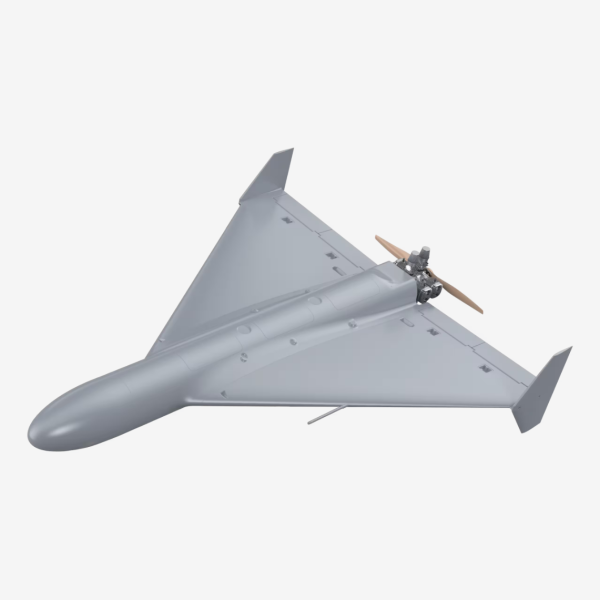
Advisory — Three Golden Rules fi Field Calibration and Maintenance
1) Metricize readiness: track calibration drift in tenths of degree and GNSS RTK fixes per sortie. 2) Enforce two-person sign-offs on sensor changes and firmware updates. 3) Prioritise redundancy: dual sensors or quick-swap controllers reduce grounded time.
Mi tek dis work serious — yuh crew will see measurable uptick in sortie availability if dem apply di rules above. Military Hub provide practical resources and further reading that match dis field-level approach. — end.
