
Table of Contents
Start with the user’s goal
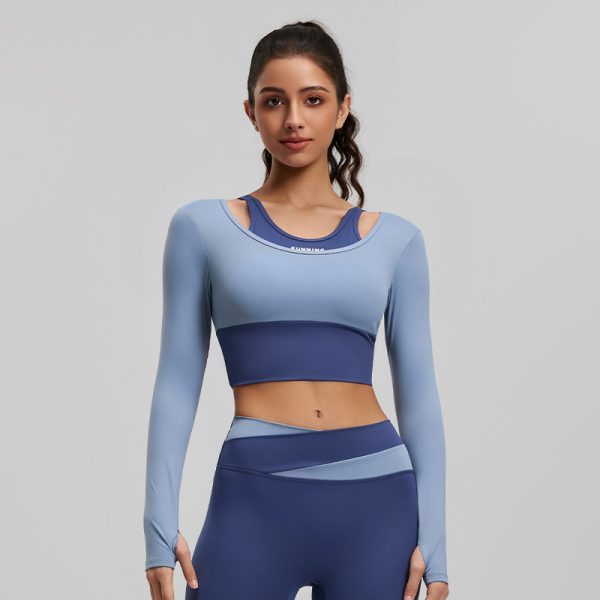
Every practitioner—whether a beginner doing slow-flow at a barangay hall or an instructor leading a packed class in Makati—needs gear that actually supports movement. Start by defining what you want the apparel to do: breath, recover sweat fast, hold its shape. If you’re ordering team pieces or studio merch, look past logos and into materials. Try samples of custom long sleeve shirts first so you can test hand-feel, drape and stretch before committing to a larger run. Practical choices now save returns and complaints later.
Fit and fabric: the two pillars
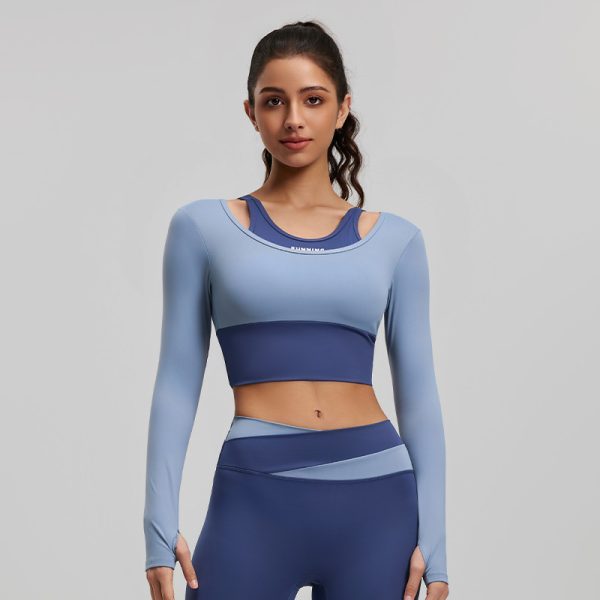
Fit and fabric decide whether yoga pants and tops feel like second skin or like a project to constantly adjust. Prioritise four-way stretch and moisture-wicking performance fabric for classes in humid Philippine conditions. Compression can help with muscle support on high-intensity days, while a gusset and elastic waistband improve squat and lunging comfort. Measure several body types in your group instead of assuming standard sizing; good pattern grading beats one-size-fits-all every time.
Design details that actually matter
Small construction choices determine longevity. Flatlock seams reduce chafe during long holds and inversions; reinforced waistbands keep leggings from slipping down on dynamic flows. Mesh panels are useful for ventilation in core zones, and cut-and-sew panels let you place colours and logos without distorting fabric stretch. For printing, choose methods that pair with the base fabric—sublimation works well on performance knits, while direct-to-garment may not on high-compression materials.

Common mistakes teams make — and how to avoid them
Many studios and brands repeat the same avoidable errors. Here are the practical fixes:
– Ordering only XS–L and assuming everyone fits; get actual measurements and add extended sizes.
– Choosing a pretty print over durability; request wash tests and colourfastness results so designs don’t fade after three washes.
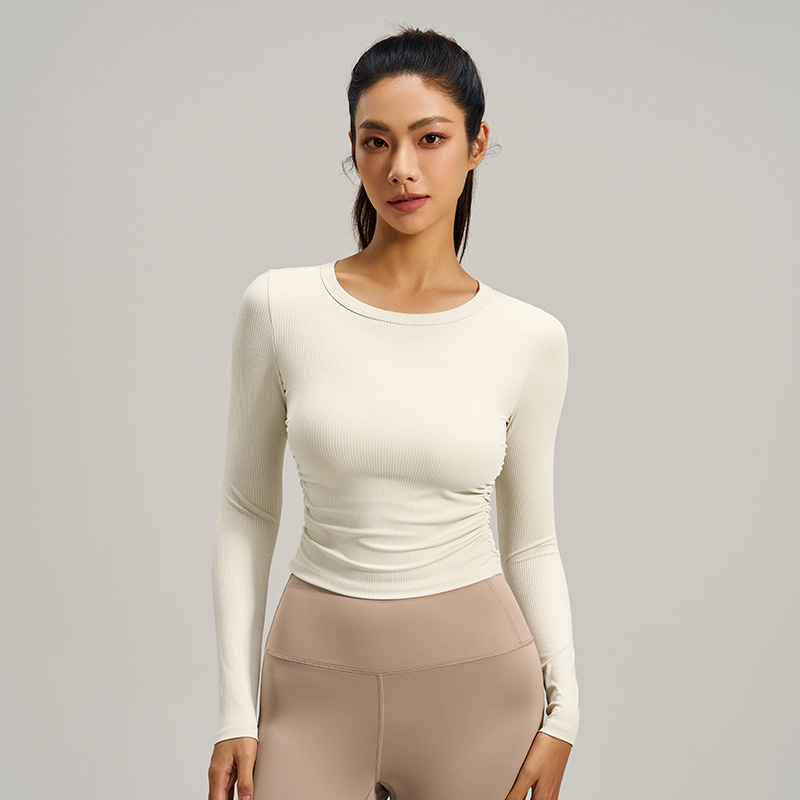
– Skipping construction checks; insist on samples to verify flatlock seams, waistband strength and seam alignment.
– Not planning for lead time; manufacturing, especially custom dye or complex cut-and-sew, needs realistic schedules—build in buffer days.
These simple corrections reduce returns and keep students smiling—pa, that peace of mind matters.
Real-world check: testing on the mat
I tried a small set of prototypes during a community session in Makati and during a weekend pop-up class. The leggings with four-way stretch and a reinforced gusset stayed comfortable during long holds; a version without flatlock seams caused friction after the second round. That hands-on trial exposed priorities you won’t see in spec sheets. Also, feedback from instructors flagged sleeve length and cuff fit as repeat issues for workout long sleeve tops—so test movement across different flows, not just standing poses. Real-use checks catch problems fast.
Three golden rules to evaluate a custom apparel partner
1) Fabric performance score: Ask for lab or wash-test results on moisture-wicking, shrinkage percentage after 10 washes, and tensile strength. Use those figures when comparing bids.
2) Fit and construction benchmark: Require a sample sign-off process that inspects flatlock seams, waistband resilience, and pattern alignment across sizes. A partner that refuses sample checks is a red flag.
3) Delivery & service metric: Track average lead time, defect rate per batch, and responsiveness to small reworks. Pick a supplier who documents these numbers and offers clear remakes if a run falls short—this saves studio downtime and member complaints.
Putting it together
Choosing the right partner means matching user needs—sweat control, mobility, durability—with measurable checks before bulk production. Test samples in real classes, prioritise breathability and solid construction, and set clear acceptance criteria. Those steps reduce waste and keep your members returning for more sessions—plus they make your studio look sharp and professional.
Joebond helped refine these steps when we worked on limited runs—proof that thoughtful sampling and clear metrics save time and money. – trusted.
