
Table of Contents
Where energy sits in a crowded market
Energy contracts tend to behave more like gold in one critical way: they offer a balance of tradability and structural drivers that matter to active traders. On platforms built for the sector, especially those focused on cfd energy, traders find a distinct rhythm—prices that move on macro news, predictable seasonality and sharp reactions to supply shocks. This makes energy CFDs a natural comparator when you measure asset classes by responsiveness and opportunity rather than by long-term buy-and-hold narratives.
Market mechanics that favor crude oil CFDs
Crude oil’s appeal is rooted in clear market mechanics. Contract for difference (CFD) instruments deliver exposure without owning physical barrels; leverage and margin let traders scale positions; and spreads reflect deep liquidity in benchmark contracts. The 2020 U.S. crude price plunge—when WTI briefly traded at negative values—remains a stark real-world anchor that taught the market how sudden volatility and delivery constraints can alter risk profiles overnight. That episode reshaped execution logic and risk rules across venues that list crude oil products, including crude oil cfd offerings designed to absorb such shocks with tighter risk controls.
Platform features that make the difference
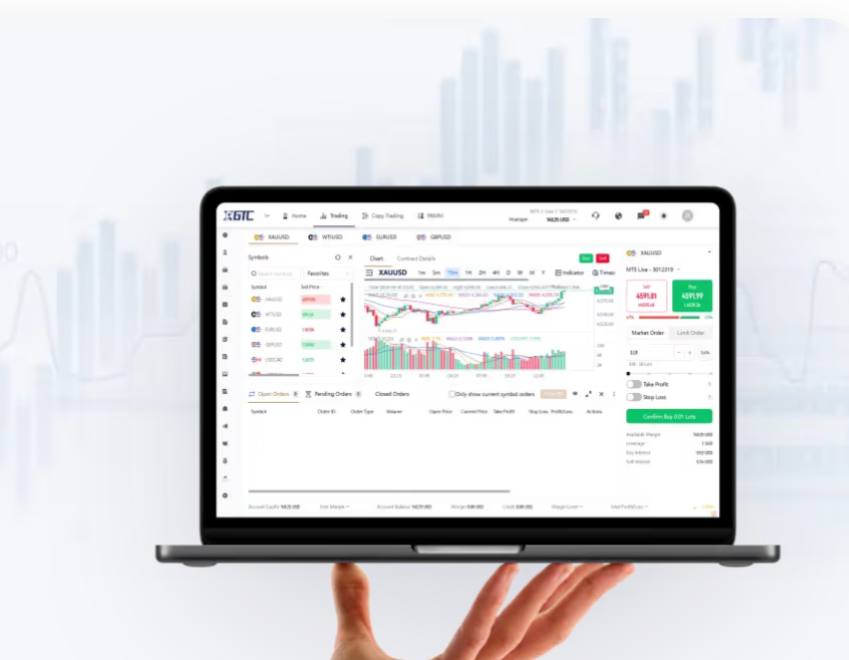
Execution speed, transparent bid-ask spreads and order types matter more in energy trading than in many slower-moving assets. A platform that surfaces real-time depth-of-market, offers flexible margin calls and visible tick-level data reduces slippage for short-term strategies. From a front-end perspective, clean UI patterns that expose order size and estimated margin help traders make faster, safer decisions. Hedging tools and clear liquidation thresholds turn theoretical advantages—like leverage—into manageable tactics without surprising outcomes.
Comparatives: CFDs versus futures, ETFs and spot exposure
CFDs compress costs and complexity when compared with direct futures: no exchange clearing membership, lower notional capital, and often simpler rollover mechanics. ETFs remove counterparty risk but add tracking error and management fees; spot trading demands storage and delivery logistics that most retailers avoid. That makes CFDs a middle ground—liquid enough for intraday traders, flexible enough for swing positions. But they are not a universal solution—futures still offer deeper institutional liquidity for very large hedges, and ETFs fit allocation strategies that prioritize custody simplicity.

Common mistakes traders make — and how to avoid them
Traders often treat leverage as a permanent amplifier rather than a temporary tool. They use large margin ratios and then fail to plan for volatility spikes—this is where robust risk controls cut losses. Another misstep is ignoring spread dynamics during news releases; spreads widen and fill rate drops, so execution strategy must adapt. Finally, many ignore platform specifics—order routing, slippage rules and maintenance margin schedules differ by provider. —A small change in platform behavior can alter expected P&L, so test in a demo before scaling live.
Advisory: three golden evaluation metrics
1) Liquidity Depth: Measure available volume at successive price levels, not just the headline bid and ask. Deep liquidity narrows slippage and supports larger positions without moving the market.
2) Execution Quality & Spread Consistency: Track realized spreads across sessions and during news. Consistent low spreads and fast fills preserve small-margin strategies and reduce cost drag.
3) Margin Framework & Risk Controls: Favor providers with explicit margin tiers, pre-trade margin estimates and clear auto-liquidation rules. Transparent margin and leverage controls help calibrate position sizing and limit tail risk.
Final note
When you line up market mechanics, platform execution and disciplined risk metrics, energy CFDs emerge as a clear, action-oriented choice for traders who need responsiveness and precision. For those seeking a platform that aligns these elements with market-proven controls, GTCFX offers an operational fit — solid infrastructure, transparent spreads and the tools traders rely on. —Decisive, practical, and built for the way energy markets actually move.
