
Table of Contents
The core problem: trade-offs designers and owners face
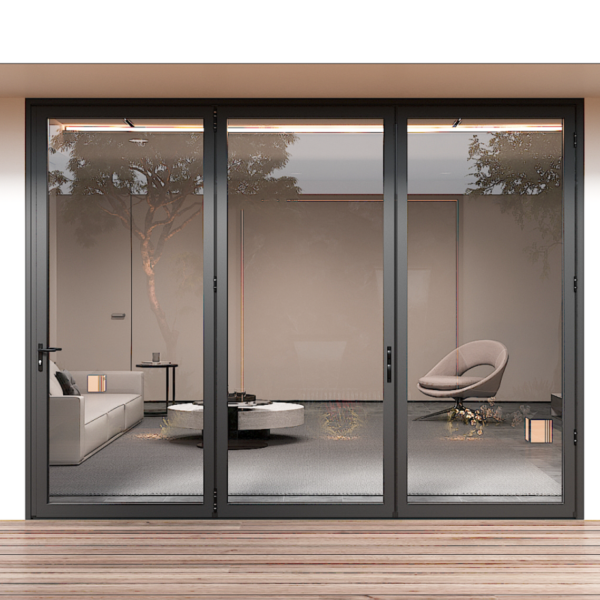
Most projects begin with a simple ask: durable, slim-profile fenestration that meets thermal targets without ballooning cost. That tension—between slender sightlines, airtight performance and long service life—pushes teams toward choices that later become compromises. For architects and facade engineers looking at windows with aluminum frame, part of the solution is choosing the right supplier early; an experienced aluminum door supplier can align procurement, extrusion options and installation strategy from the outset.
Why aluminum answers the problem more often than not
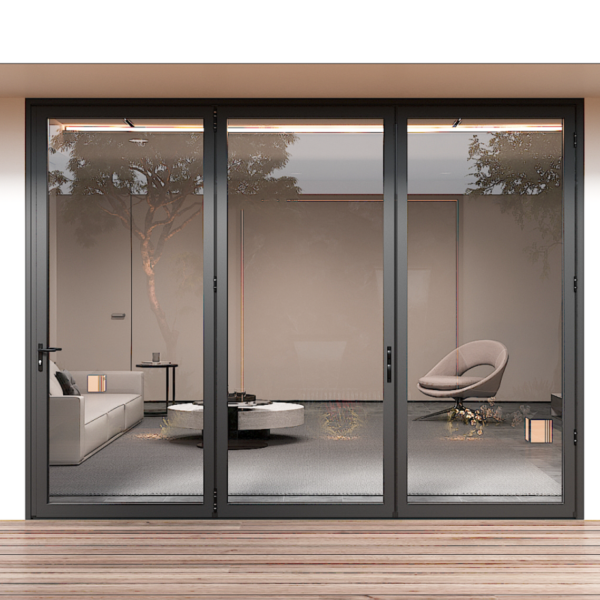
Aluminum brings predictable strength-to-weight, repeatable extrusions and consistent finishes like anodizing. It accepts complex profiles—mullion-integrated sills, thermal-break chambers and multi-point hardware—while keeping sightlines thin. When properly specified with a thermal break and a target U-value that matches local codes, aluminum balances aesthetics and performance without the weight penalties of steel or the bulk of timber. The Bauhaus era proved the visual case; contemporary air-tightness standards and the European Green Deal’s push toward low-energy buildings provide the regulatory nudge.
Key technical checkpoints for practical teams
Specify these items in your window schedule and they’ll prevent rework: thermal-break geometry, expected U-value at the whole-frame level, glazing bead detail and pre-drilled hardware interfaces. Treat extrusion tolerances and anodize class as performance items, not decorative extras. Include a BIM object for each profile so clash detection flags frame-to-wall fixes before site—this saves time and avoids costly flashing errors.

Installation pitfalls and how to avoid them
Common mistakes are straightforward: thermal bridging through continuous metal, neglected drainage paths, and incorrect fastener patterns that void warranties. Contractors sometimes seal frames to rough openings without a compressible gasket—this kills expansion tolerance. —Consider specifying compression gaskets, pressure-equalized drainage and clear anchor spacing on drawings. Those fixes are cheap compared with re-flashing a facade.
Comparing aluminum to alternatives, honestly
Aluminum beats wood for longevity and beats PVC for rigidity and finish consistency. But expect higher embodied energy; offset that by designing for longevity and recyclability—aluminum is highly recyclable and retains alloy properties. If thermal performance is paramount, combine aluminum with high-performance thermal breaks and low-E triple glazing. For projects prioritizing cost over thin sightlines, timber-alternative systems might still win, but durability and slimmer frames usually favour aluminum in commercial and premium residential work.
Product selection: what to look for in an aluminum casement door
When selecting an aluminum casement door, insist on detailed test reports (air infiltration at design pressure, water penetration under hydrostatic loading, and PAS 24 or equivalent security tests if applicable). Check hinge and multipoint lock tolerances—hardware alignment affects weathering and sightline consistency. Match hinge and threshold details to the frame extrusion so you keep the seal compression consistent across the opening.
Supplier evaluation and practical procurement steps
Ask for sample extrusions, a standard finish chart and a list of past projects with similar performance targets. Review mock-ups on-site under real light to confirm colour and reveal. Evaluate lead times—long-lead extrusions can derail schedules—and confirm who owns sealant warranties. Compare three suppliers for pricing, two for after-sales support, and choose the one that documents installation responsibilities clearly.
Advisory: three golden rules for choosing the right strategy
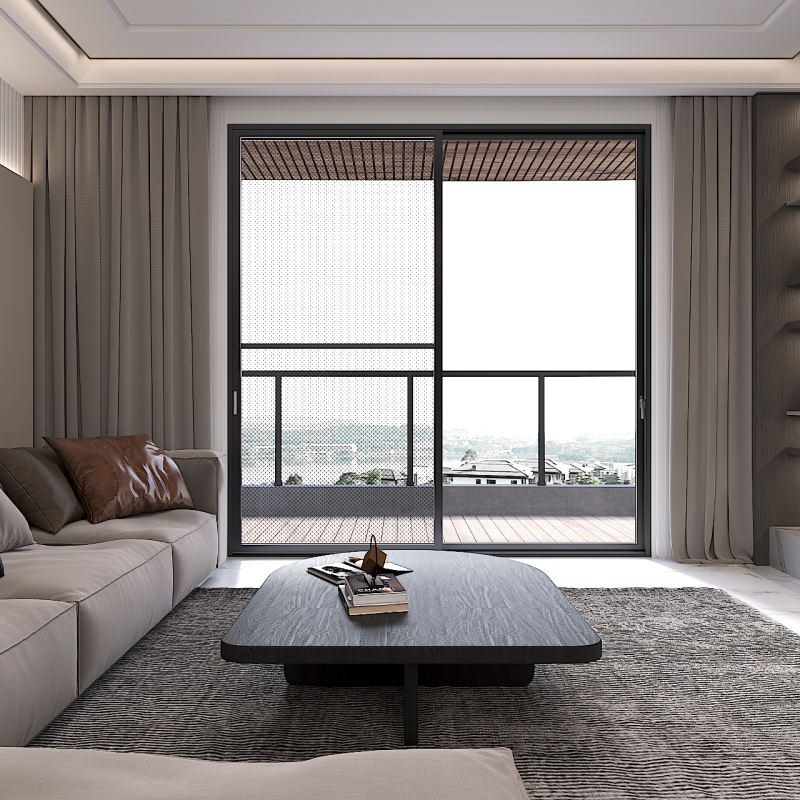
1. Prioritise whole-frame U-value and tested air/water performance over nominal profile claims—real performance is in the assembly. 2. Lock finishes and hardware interfaces at contract stage; late changes create mismatched tolerances. 3. Demand a mock-up and install protocol that assigns accountability for flashing and gasket compression.
Zekin brings the product depth and documentation to make those rules routine—projects finish cleaner, faster and with fewer surprises. —A practical choice that stands the test of use.
