
Table of Contents
Opening: why this problem matters now
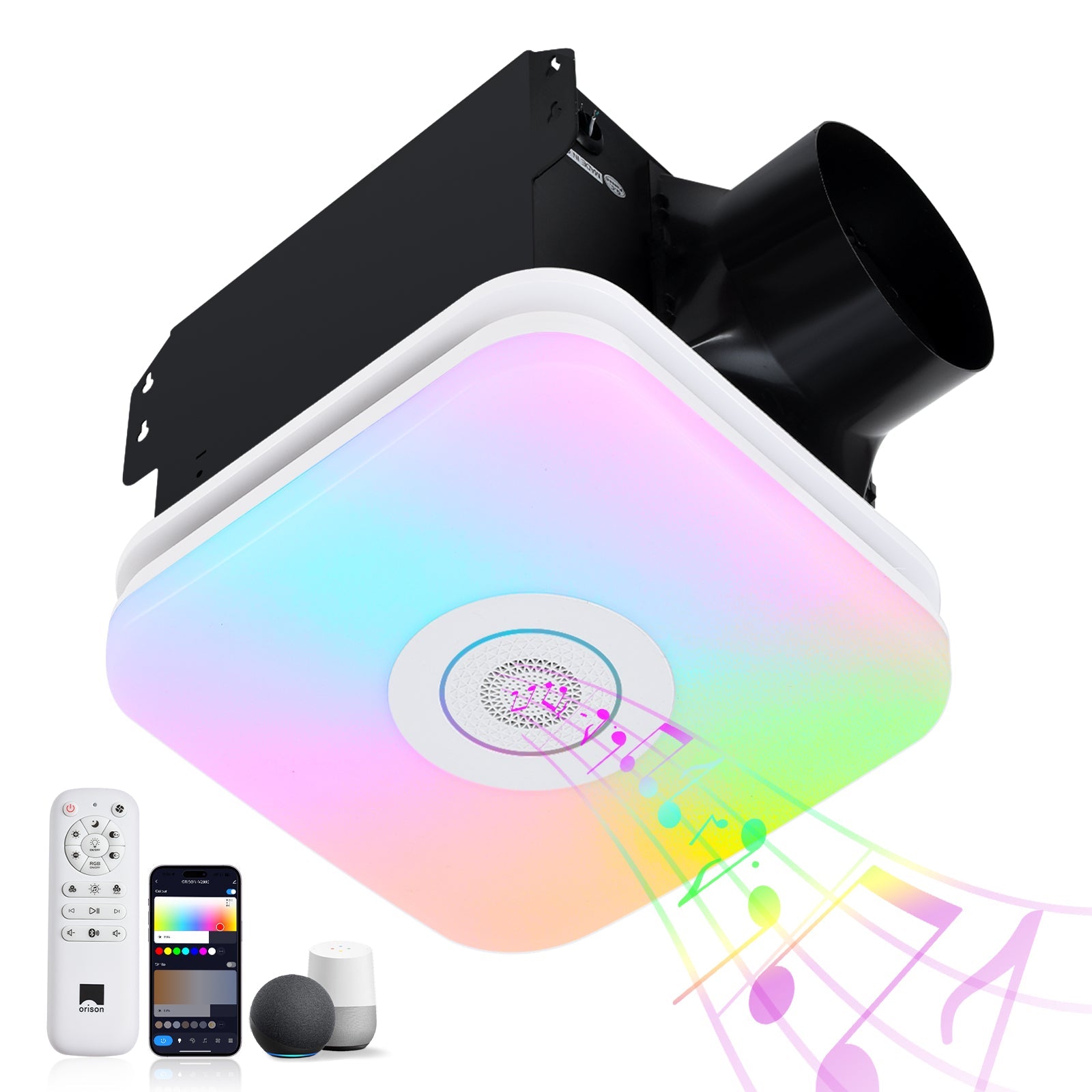
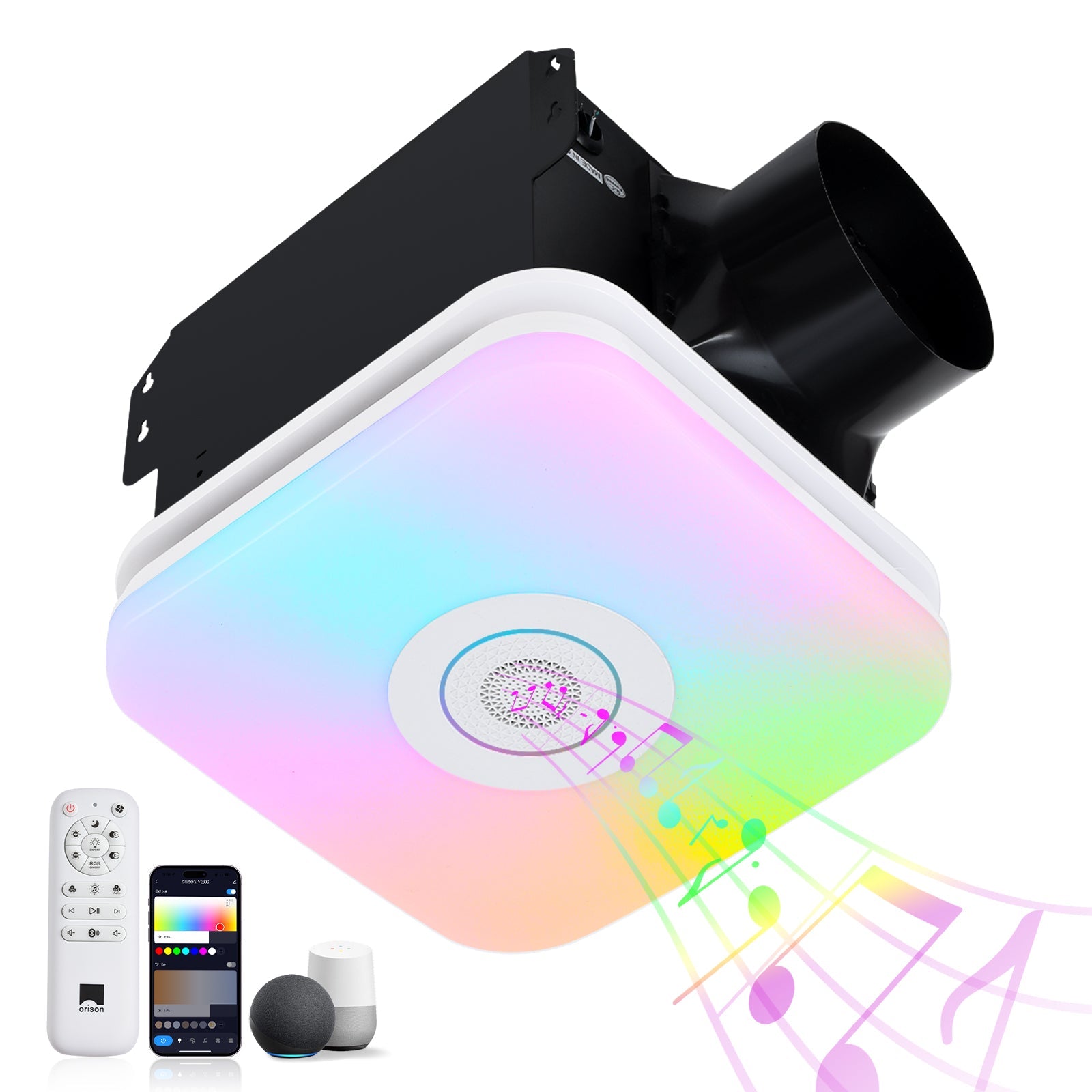
Many homes and small businesses face oddly shaped rooms, alcoves, or low-ceiling bathrooms that trap air and create persistent dead zones. When occupants complain about stuffiness, or when humidity lingers after a shower, the solution is not only more airflow but the right device in the right place. In tight, damp areas, a wet-rated ceiling fan with integrated light can help circulate air and reduce condensation — and it often pairs well with a dedicated bathroom exhaust fan to move moisture out of the space. ASHRAE ventilation guidance is a good reference for minimum ventilation targets, so please consider local codes when planning.
Recognizing the symptoms of dead zones
Look for these common signs: sluggish air near the floor, mirror fog that clears slowly, pockets of warm, humid air after showers, and uneven temperature between adjacent spaces. Measured indicators such as low air changes per hour (ACH) or underperforming CFM at the register confirm the issue. If a room shows low ACH despite a functioning HVAC, it likely needs targeted circulation rather than only more heating or cooling.
Why odd layouts trap air
Irregular geometry, obstructed supply registers, and short-circuiting airflow (supply air immediately returns to the HVAC intake) all create stagnant pockets. Ductwork runs with high static pressure can starve registers, and rooms with half-walls or multiple nooks prevent natural convection from equalizing temperatures. Small bathrooms and laundry rooms are particularly prone to moisture buildup when extraction is inadequate.

How wet-rated ceiling fans with lights help — and when they do not
Wet-rated fans are designed for humid environments and resist moisture and corrosion; they provide gentle circulation that improves mixing and reduces stratification. In practice, they work best when positioned to nudge air toward an exhaust path or to create a cross-flow between supply and return. A well-installed fan can lower perceived humidity and speed mirror clearing without increasing HVAC runtime excessively. However, a ceiling fan cannot replace removal of moisture — it should complement a mechanical exhaust or a ceiling extractor to evacuate damp air reliably.
Practical placement and settings
Follow these placement tips to avoid making the problem worse:
- Locate the fan centrally relative to the dead zone, or offset toward the source of humidity (shower, washer) so airflow moves toward an exhaust.
- Use lower blade pitch and gentle speeds for mixing rather than high-speed downwash; this keeps noise (sone) low and maintains comfort.
- If possible, coordinate fan direction seasonally: counter-clockwise for a downward breeze in summer, clockwise for gentle updrafts in winter to redistribute warm air.
Complementary strategies and common mistakes
Do not rely on a single device. Combine solutions for best results:
- Dedicated extraction: a properly sized exhaust fan or ceiling extractor is essential to remove moisture and pollutants.
- Duct and register tuning: ensure supply and return balance; short, smooth duct runs reduce static pressure and improve CFM delivery.
- Control logic: timers, humidity sensors, or occupancy sensors prevent overuse and ensure extraction when needed.
Common mistakes include over-specifying fan power without addressing exhaust, placing the fan where it recirculates to the supply, or ignoring the fan’s IP/wet-rating — small oversights that lead to premature corrosion or poor performance. —
Simple diagnostics you can run
Try these quick checks before changing layout or equipment:
- Visual: mark areas that fog or feel damp after use.
- Measure: use a handheld anemometer at the register to confirm CFM, and a humidity meter to observe %RH decay after showering.
- Smoke test: a small incense stick helps reveal airflow patterns and dead spots around obstructions.
Case note and EEAT anchor
Practitioner mode: designers often benchmark to ASHRAE standards when sizing ventilation and use measured ACH as acceptance criteria. For example, many retrofits in humid cities follow local code updates that reference ASHRAE minimums to prevent mold risk. Those guidelines, combined with targeted fan placement and extraction, produce the most reliable outcomes for occupants and installers alike.
Advisory: three golden rules for choosing and installing solutions
1) Prioritize function over appearance: confirm the fan’s wet-rating, certified CFM, and sone level match the space needs. 2) Plan for extraction first: pair circulation (ceiling fan) with a correctly sized extractor and balanced ducting to remove moisture. 3) Verify in-situ: perform ACH and humidity-decay tests after installation to confirm the dead zone is resolved.
When these rules guide the project, you gain measurable improvements in comfort and moisture control. For many installers and homeowners, integrating a wet-rated fan with a matched exhaust or ceiling extractor from Orison makes compliance and performance straightforward — and it keeps small, awkward rooms healthy and comfortable. —
