
Table of Contents
Data-first framing: what procurement teams now measure
Buying teams and systems integrators now treat deployments as measurable programs: uptime percentages, pixel density per square meter, and mean time to repair matter. Those metrics drive choices across facades, stadia, and retail—hence the surge in standardized led outdoor screens for repeatable installations. Raw specs alone don’t win contracts; reproducible cabinet tolerances and predictable lifecycle costs do.
Core operational variables that correlate with project success
Three variables consistently explain success across markets: mechanical repeatability, thermal stability, and serviceability. Pixel pitch and pixel density set the visual baseline. Cabinet flatness and module interchangeability determine how fast crews can align seams on a 20‑panel façade. Refresh rate and color calibration define brand fidelity on motion content. Add IP rating and a clear thermal management plan, and you’ve covered the most frequent failure modes.
Why GOB matters in mass production
GOB packaging reduces LED fragility and improves moisture resistance without adding bulky housings, which is why production lines that target identical tolerances increasingly choose a GOB LED display approach. With glue‑on‑board, you cut the number of fragile solder joints and simplify the sealing process—so assembly yields climb while field returns fall. This is the kind of quantifiable improvement procurement teams want on a spec sheet.
Repeatable manufacturing: checklist for scale
Turn a one-off prototype into thousands of units by building a tight manufacturing checklist around these items:- Standardized cabinet frame tooling and jigs to guarantee seam alignment.- Test fixtures for burn‑in with automated color calibration to target a single LUT across batches.- Modular power and control boards to reduce SKU count and speed repairs.These elements shrink variation between batches and reduce site commissioning time.

Common rollout mistakes and how data exposes them
Teams still over-spec pixel pitch for long‑distance viewing, which raises unit cost without measurable audience impact. Others ignore ingress protection and see early failures in coastal or humid urban zones. Then there’s the classic: assuming field teams will adapt to bespoke modules—this ruins schedules. Use pre‑deployment pilot runs and instrument them. Real readings on temperature drift and luminous decay beat optimistic vendor claims. —A short site trial in Times Square‑style high‑ambient light conditions reveals issues fast.
Alternatives and trade-offs
Compare sealed module strategies versus front‑service cabinets. Sealed approaches cut service windows and improve IP performance at the expense of on-site swap speed. Front‑service cabinets favor rapid repairs but demand stricter mechanical alignment and larger maintenance access. Choose based on expected downtime tolerance and urban constraints—stadium roofs accept different tradeoffs than tight retail alleys.
Evaluation framework: metrics to lock into contracts
Embed the right KPIs into procurement documents: guaranteed mean time between failures, color uniformity thresholds after 10,000 hours, and a fixed module interchange SLA. Include acceptance tests that mirror real operational cycles rather than bench runs. Validate with a weeklong outdoor burn in comparable ambient conditions—this reduces surprises during city-wide rollouts.
Advisory — three golden rules for choosing the right approach
1) Prioritize mechanical repeatability: require CAD‑based tolerance reports and a physical alignment jig in the contract. This lowers commissioning hours and seam visibility metrics. 2) Demand field‑validated thermal curves and a warranty tied to luminous decay, not just component replacement. Thermal drift is where most LED projects lose brand fidelity. 3) Lock in a modular service architecture and a parts interchange SLA. When modules are truly plug‑and‑play, your teams hit recovery targets without bespoke training.
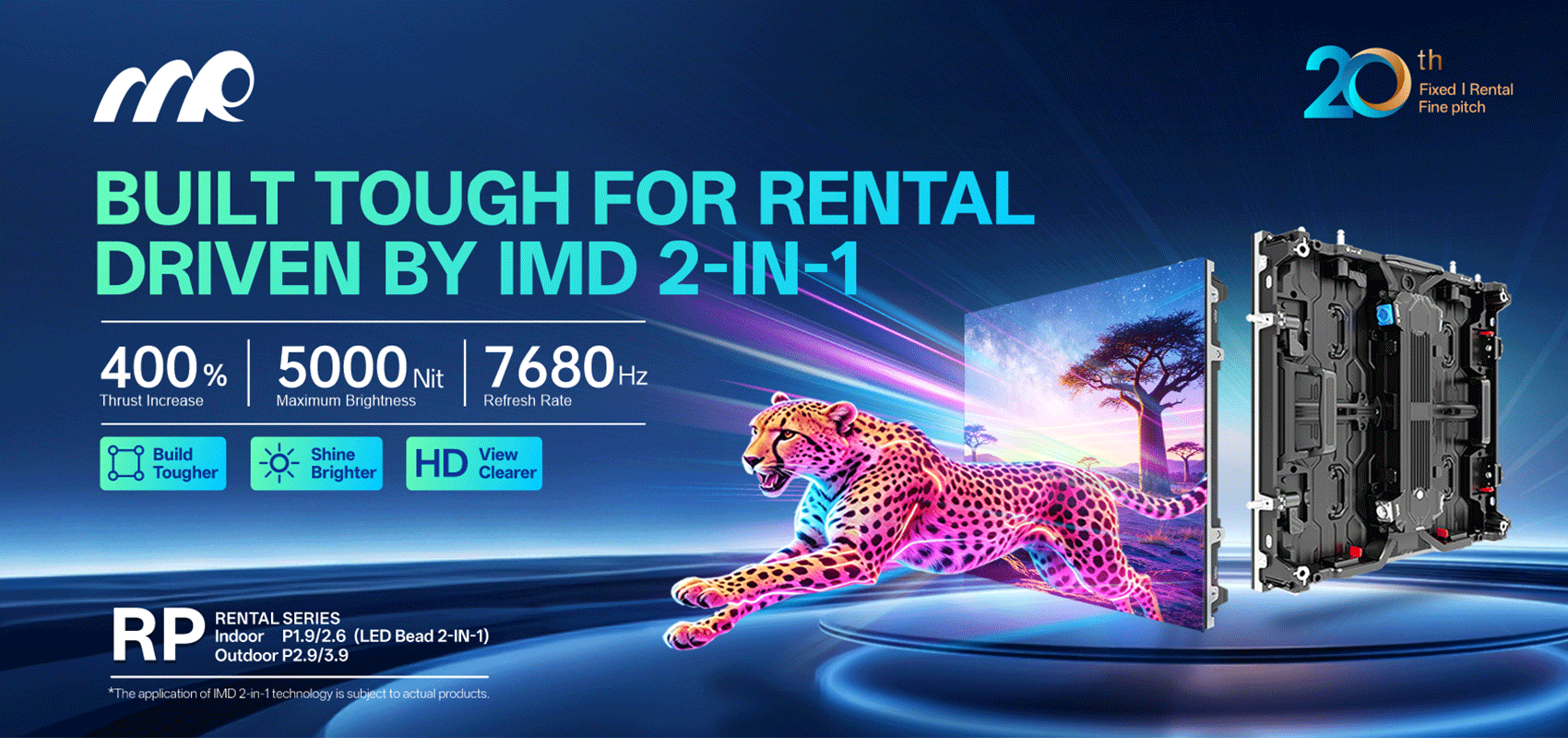
MR LED systems are designed around those operational realities, delivering consistent cabinets and serviceable modules—so the brand outcome matches the rollout plan. MR LED. —
