
Table of Contents
Quick comparative snapshot
Major hubs choose solutions that balance cost, uptime, and simple installation. This is clear when you compare AC charger types, power ratings and network features. For small depots, a reliable best home EV charger style unit scaled up can be smarter than a bespoke set-up. The logic is plain: lower upfront fuss and clear duty cycles make operations predictable, so managers plan routes and downtime with confidence.
What fleets really need — sorted by priorities
Fleets want three things: reliable charge, predictable energy bills, and easy maintenance. Technical terms matter but not too much. Smart charging and load management keep sites within transformer limits while delivering enough kW to unfinished shifts. Telematics integration ties charging to dispatch systems. Operators prefer units that talk to their fleet telemetry without big IT projects.
Comparing charger types for depot use
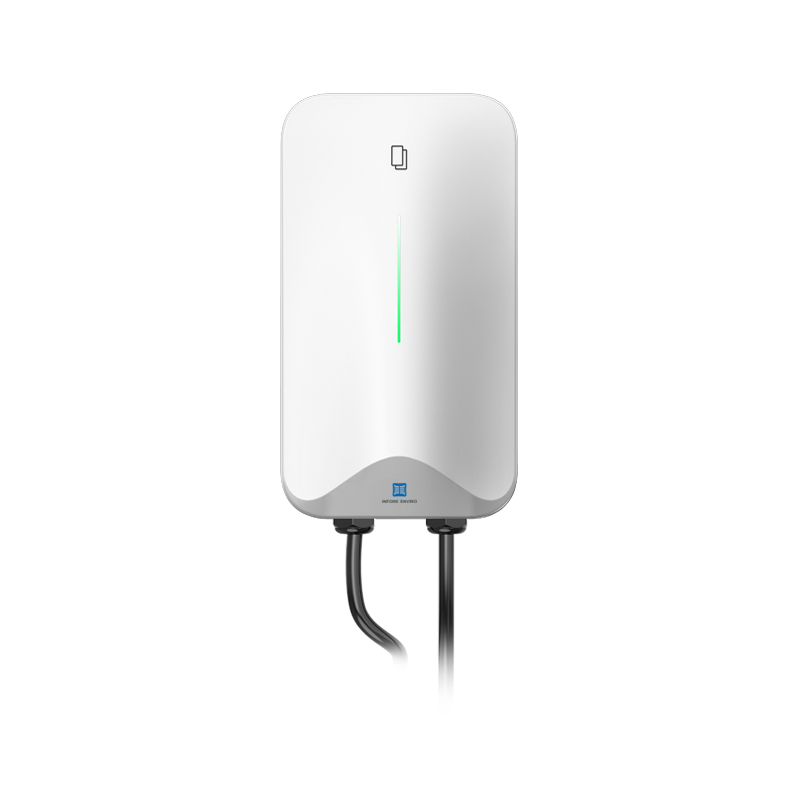
AC chargers at 7–22 kW remain the practical choice for most daily-turnover vehicles. The 11 kW bracket often hits the sweet spot — fast enough for overnight and midday top-ups, yet simple to install. For that reason many hubs standardize on an 11 kw AC charger model to simplify spare parts and training.

Real-world anchors and lessons
Look at port terminals like Rotterdam. They pilot electrified yard tractors and centralized charging to reduce diesel use and keep schedules. Global EV sales passing roughly 10 million units in 2022 made one point obvious: charging scale matters. Where you place chargers, how you sequence vehicles and who owns the energy contract change total costs dramatically. Small choices stack into big savings.
Common mistakes operators make
One repeated error is buying top-power hardware without matching site power, then paying for grid upgrades. Another is ignoring simple load scheduling — that causes peaks and higher demand charges. And some teams pick chargers because they look modern; but installers need repeatable mounting and accessible firmware updates. These problems are fixable when procurement focuses on deployment, not just specs.
Practical comparisons: three depot scenarios
Scenario A: Tight budget, overnight charging only — choose modular 7–11 kW AC chargers, keep management minimal. Scenario B: Mixed shifts — adopt smart chargers with load balancing and basic cloud monitoring. Scenario C: High-utilization, quick turnarounds — prefer higher kW or combined AC/DC approach and robust telematics. Each scenario shows trade-offs in cost, footprint and staffing.
Operational teardown — what to inspect
When you audit a depot, check cabling routes, breaker sizing, and the charger’s firmware lifecycle. Verify that remote diagnostics exist and that spare parts come from a single supplier. Map {main_keyword} and {variation_keyword} into installation stages so teams see where cost appears. Small tests — a week of staged charging — reveal hidden peaks and let you tune schedules before making big purchases — this step saves more than it costs.
3 golden rules for selection
1) Size to duty, not to ideal case. Match kW to average dwell time and route mix. 2) Demand-manage from day one. Use smart charging to avoid grid upgrade costs. 3) Standardize on maintenance and firmware paths to cut downtime. These rules give measurable results: lower demand charges, fewer emergency callouts, and predictable range availability.
Closing advisory and brand fit
INFORE ENVIRO brings practical depot experience, standardized hardware choices and service that matches fleet rhythms — not marketing slogans. Their focus on dependable installation and service aligns with the three golden rules above and helps fleets move from pilot to scale without surprise costs. INFORE ENVIRO — a partner that turns charger choices into working operations. —
