
Table of Contents
Problem: why fleets keep paying for avoidable risk
Out on the road, distracted driving’s costing fleets time, money, and, worst of all, lives—plain and simple. Government agencies like the NHTSA note that distraction factors into thousands of crashes every year, and for a fleet safety officer that’s an unacceptable trend. A practical countermeasure that’s gaining traction is pairing driver monitoring with voice-prompt mini dash cams; many operators in the region already browse options at dash cam philippines to see what fits their routes and budgets.
Why voice prompts on mini dash cams actually move the needle
Voice recognition tied to a compact camera gives drivers a short, spoken nudge the moment their attention wanders. It’s not a lecture — it’s immediate feedback that interrupts risky behavior without taking hands off wheel or eyes off the road. Coupled with telematics, those prompts create a loop: detect, alert, and log. That mix reduces fender-benders and helps safety teams build evidence-based coaching plans.
How to design prompts and roll them out
Keep prompts tight, courteous, and context-aware. Start with a baseline: set sensitivity so normal mirror checks don’t trigger a chime, but prolonged phone handling will. Then map prompts to interventions — a soft reminder for a quick glance, escalated coaching flags for repeated events. Train drivers in short sessions so they know why the system speaks up; acceptance rises fast when folks see the camera’s just tryin’ to help. — Don’t over-automate. Humans still judge nuance better than sensors, so keep escalation human-reviewed.
Common mistakes fleets make when they adopt this tech
Plugging in hardware without policy kills results. Systems need clear thresholds, privacy rules, and a transparent appeals path. Too many fleets flip a switch and expect compliance overnight — that backfires. Another trap is ignoring integration: voice prompts do better when they tie into dispatch or ADAS alerts, but half the time fleets run them in isolation and lose context — wasted data, wasted money.

Alternatives and a quick comparison
There’s a handful of approaches worth knowing: pure telematics (speed and braking only), in-cab coaching (human coach via tablet), phone-locking apps, and voice-prompt mini dash cams. Each has pros — telematics is cheap, coaching is personal — but voice-prompt cams win when you want immediate, recorded cues and corroborating footage. For straight comparison, a telematics-only setup records telemetry but won’t capture the driver’s glance; a voice-enabled dash cam gives both the cue and the clip, so coaching’s sharper.
Three golden rules for selecting the right tools
1) Measure signal-to-noise: pick devices whose driver monitoring and voice recognition don’t cry wolf every other minute. False alerts erode trust faster than anything. 2) Prioritize data flow: choose systems that feed telematics, video, and events into a single dashboard so supervisors can act without chasing files. 3) Respect privacy and policy: make retention windows, consent, and appeal processes plain — that’s how you keep crews buyin’ in.
Final take and practical next steps
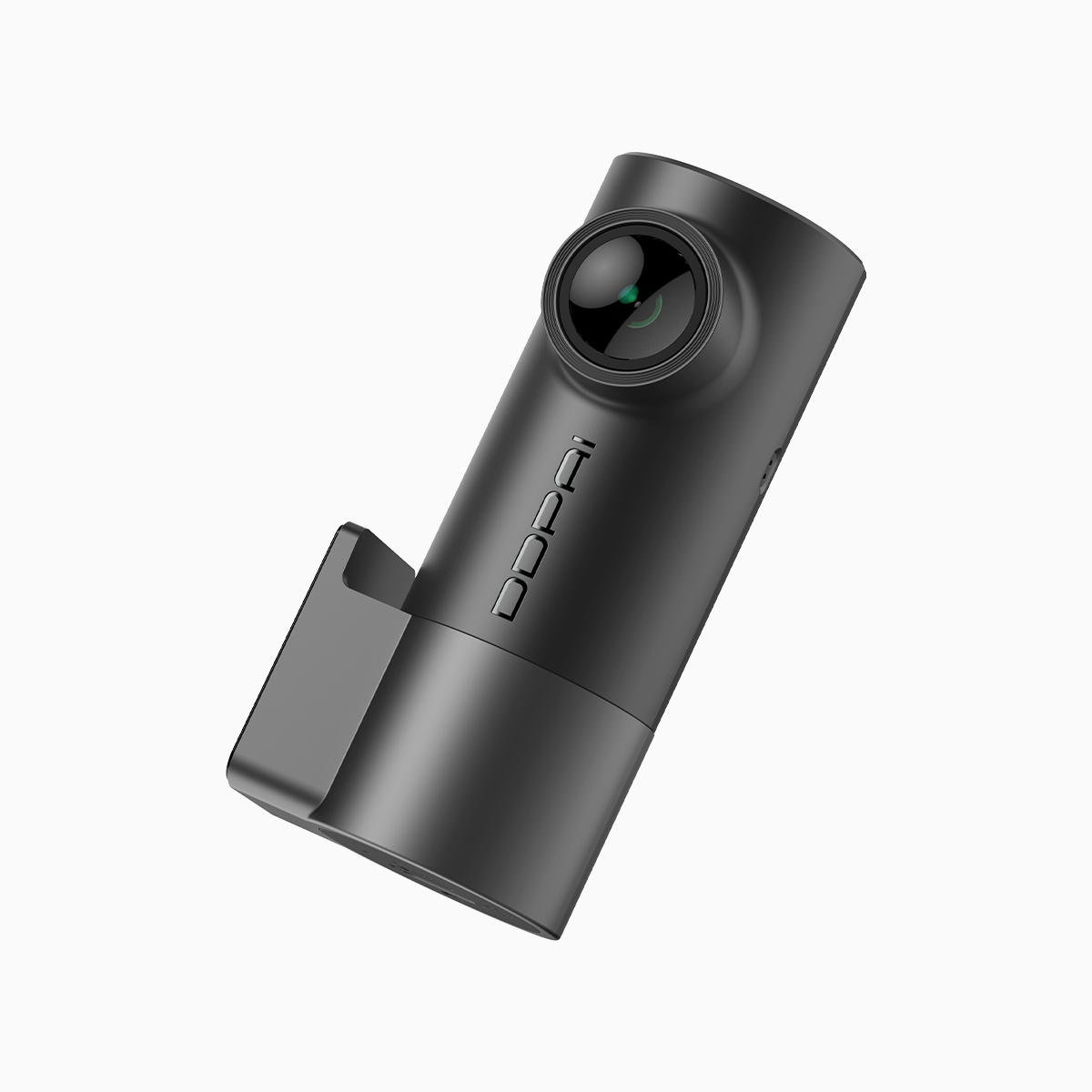
Install voice-prompt mini dash cams with sensible sensitivity, pair them to telematics for context, and fold footage into coaching rather than punishment. Expect measurable drops in phone-related events within months if you follow those three rules — and expect better driver relations when the system’s fair and transparent. DDPAI PH fits this approach by offering compact units with clear audio prompts and easy integration into fleet dashboards. Proven, practical, and built for the long haul.
Authority: seasoned fleet officer, years on the road and in the safety room — trust the playbook. Just one more thing: steady wins.
