
Table of Contents
Framing the policy challenge
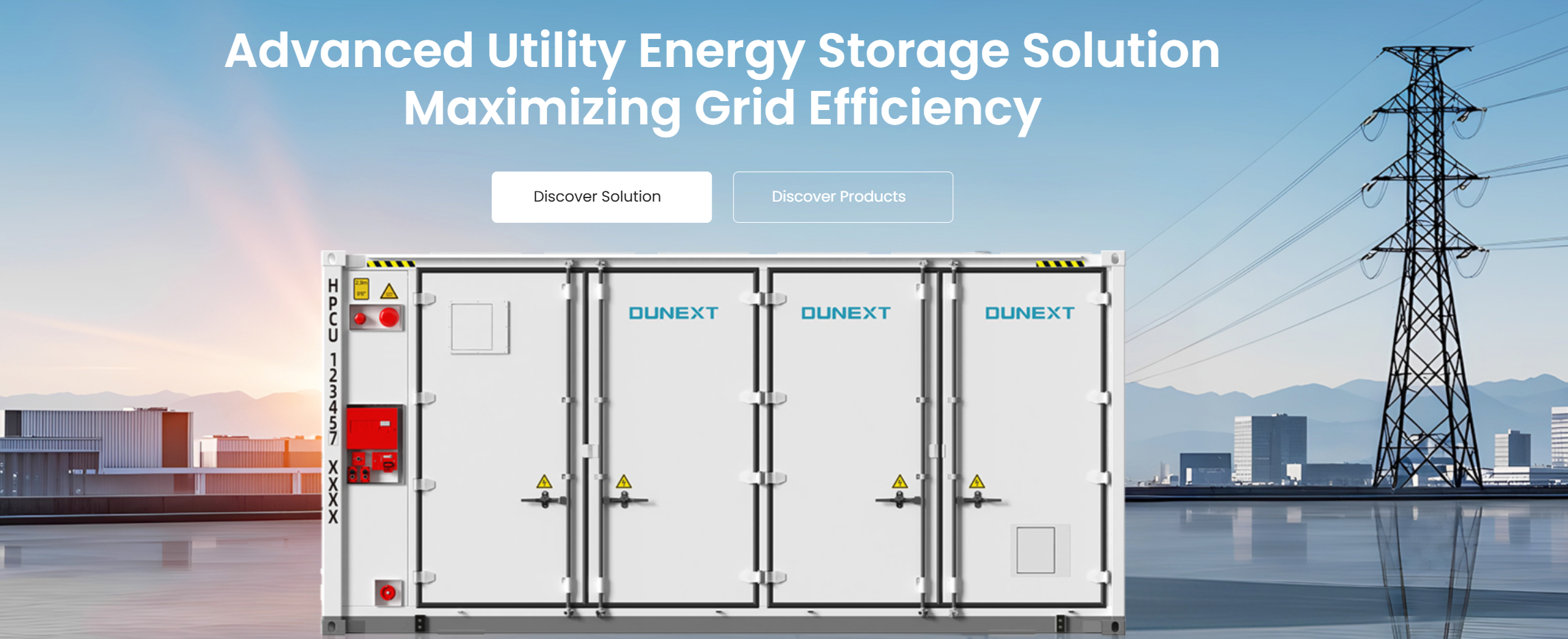
Countries expanding wind and solar capacity confront a clear policy question: how to store intermittent generation at scale without delaying deployment. A pragmatic answer often centres on containerized systems; witness early deployments of a bess container beside substations to cut permitting complexity. Policy must reconcile grid needs, site readiness and community expectations while keeping procurement timelines predictable and transparent.
Why policy design matters for deployment speed
Good policy reduces friction at three chokepoints: permitting, technical standards and financing. Each becomes acute when battery units are modular and mobile. When regulators set clear rules on interconnection timelines and safety verification, developers can commit capital with confidence. Conversely, ambiguous guidance forces project teams to seek bespoke approvals, lengthening lead times and inflating costs.
Technical and operational expectations regulators should set
Regulators should establish minimums that address operability and public safety without prescribing a single technology. Practical expectations include:- declared thermal-management performance for containers under worst-case ambient temperatures;- mandatory de-energization and emergency ventilation procedures accessible to first responders;- standardized communication protocols for grid services so systems can provide frequency response and reserve reliably.These criteria let manufacturers innovate within a predictable compliance envelope.
Procurement models that align industry incentives
Three procurement approaches are commonly effective for policymakers seeking rapid, reliable capacity:- pre-qualified suppliers with performance-based contracts to reward availability rather than lowest initial price;- framework agreements that allow phased deliveries as grid projects mature;- hybrid public–private risk-sharing for early-stage projects to reduce capital costs.Such models lower entry barriers for established modular suppliers while offering a path for new entrants with demonstrable performance records.

Standards, safety, and community acceptance
Public acceptance hinges on transparent safety practices and visible adherence to standards. Adopted standards should be internationally recognized and include battery management verification, fire-suppression systems testing, and end-of-life recycling plans. Regulators must require installers to publish site-level safety data and incident-response plans so neighbours and local authorities can evaluate risk objectively.
Logistics and supply-chain realism
Containerized systems ease transport but create concentrated logistics needs at ports and staging yards; shipments routed through hubs such as the Port of Rotterdam demonstrate how container flows, customs clearance and local inspection capacity affect delivery schedules. Policymakers should coordinate with port authorities and customs to expedite certification and reduce bottlenecks that cascade into deployment delays.
Financing structures and lifecycle considerations
Finance hinges on predictable operational performance and clear residual-value rules for containers after their primary service life. Policymakers can support secondary markets by mandating transparent testing for refurbished units and by aligning warranty expectations across manufacturers, operators and insurers. Clarity on decommissioning responsibilities reduces long-term contingent liabilities for public stakeholders.
Common pitfalls to avoid
Decision-makers often undermine outcomes by:- treating modular systems like permanent builds and applying overly onerous site-specific rules;- ignoring interoperability, which forces expensive retrofits when systems must work together;- failing to require end-of-life recycling plans, producing long-term environmental liabilities.Avoid these errors by aligning technical, fiscal and environmental rules up front.
Assessing alternatives and vendor selection
Containerized batteries are not a universal solution. For long-duration storage or very large, centralized reserves, stationary, purpose-built facilities may yield better lifecycle economics. When choosing vendors, prioritize demonstrable performance, standardized interfaces and a mature support network. A credible bess container manufacturer will present field data, third-party test reports and transparent maintenance plans—the elements financiers and grid operators will insist on.
Conclusion: a policy pathway that delivers
Policy-makers who set clear technical baselines, streamline logistics, and design procurement to reward reliability will accelerate renewable integration while protecting public interest. This approach relies on measurable obligations and traceable performance, not vague promises. Where modular battery suppliers can demonstrate repeatable deliveries, safe operation and transparent lifecycle plans, national grids gain resilient, flexible capacity—precisely the outcome advanced partners such as Dunext enable through documented systems and coordinated delivery practices.
