
Table of Contents
Start with a clear outcome
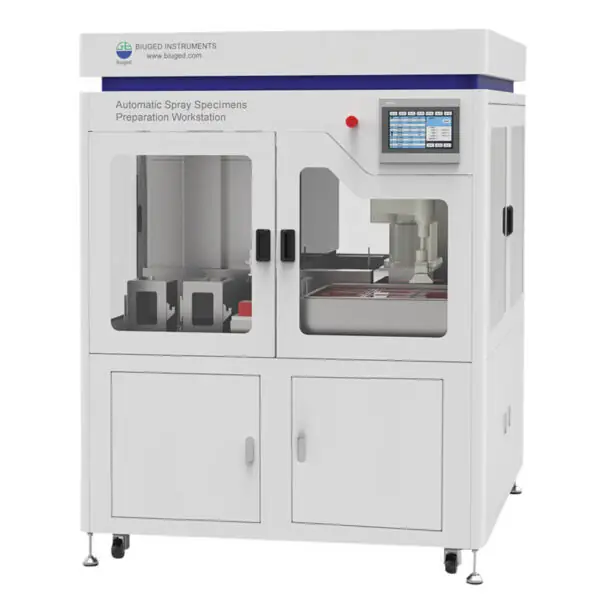
Pick what you actually need, not what sounds impressive. Are you measuring wet-film build for process control, or making precise, repeatable panels for paint R&D? That decision narrows choices fast — whether you want a simple set of wire-wound bars, a motorised bench unit or an automatic film applicator for repeat runs. Keep throughput, sample size and who’s running the kit front of mind; they shape specs more than brand names do.
Framework step 1 — define test scope and standards
List every test and the standard behind it: adhesion, gloss, hardness, wet-film thickness, cure behaviour. Match equipment to recognised methods (think ASTM/ISO test methods used in your sector) and note tolerances you must meet. Don’t lump “coating tests” together — a lab doing automotive OEM batches has different needs than a coatings R&D bench. That clarity tells vendors whether you need precision repeatability, automation, or just a rugged workhorse.
Framework step 2 — technical specs that matter
Focus on measurable features: adjustable gap range, motor speed control and accuracy, plate parallelism, surface finish of applicator blades, sample holding and alignment, software export formats, and ease of cleaning. Check calibration traceability and how the machine reports errors. If you’ll run many thin films, fine gap control and low-vibration drives matter. If panels will be large or irregular, check sample fixtures and travel range. Don’t be swayed by extras you’ll never use.

Validation, evidence and the practical experience behind it
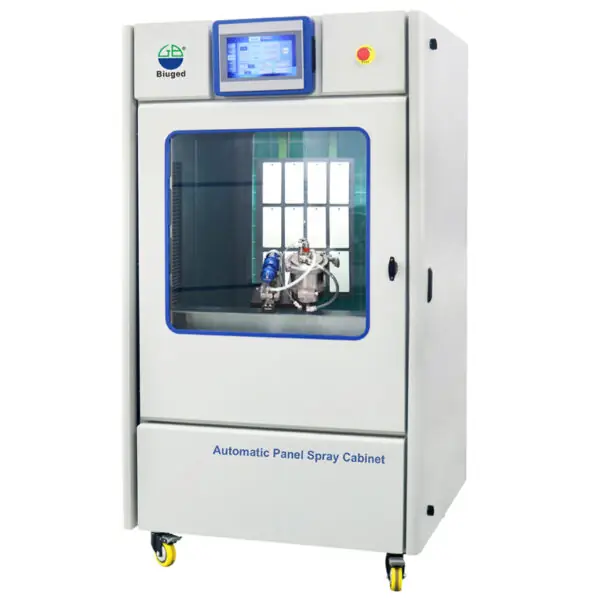
I’ve set up coating test labs and overseen interlab comparisons; that hands-on work teaches you what paperwork won’t. Real-world interlaboratory programmes at NIST in Gaithersburg, Maryland, show how repeatability and protocol are as important as hardware. When assessing suppliers, ask for calibration certificates, recent interlab results, operator training records and a demonstration that mirrors your procedure. Also review independent bench trials where the film applicator machine was used under similar conditions — that combination of documented procedure and repeatable performance is the real test of expertise and trust.
Framework step 3 — service, spares and total cost
Purchase price is just part of the picture. Check lead times for spare parts, recommended service intervals, and whether the vendor offers calibration or training packages. Ask for an uptime history or MTBF numbers if available. Factor consumables — blades, rails, calibration foils — into running costs. If your lab needs quick turnaround, local support and stocked spares beat marginally cheaper gear from overseas.
Common mistakes teams make
Buying on price without test-demonstration, assuming “automatic” equals correct for every task, skimping on calibration, and ignoring operator ergonomics. Another big one: choosing a machine because it’s shiny, then realising it can’t run the substrate sizes you use. Avoid those errors by demanding a factory demo using your substrates and procedure, and by getting a written statement about tolerances achievable under your conditions.
Alternatives and how to compare them
Compare manual, semi-automatic and fully automatic units against the same checklist: repeatability, throughput, ease of cleaning, software/data export, and maintenance. Manual units are cheap and flexible for low-volume labs; automatic units are worth it when you need consistency across hundreds of panels. Refurbished equipment can be sensible if you verify calibration history and parts availability. Prioritise features that reduce day-to-day variability over neat extras you’ll never use.
Decision checklist you can use right away
1) Map tests to standards and tolerances. 2) List throughput and operator skill constraints. 3) Require demo with your substrates. 4) Get calibration traceability and service terms in writing. 5) Compare running costs, not just sticker price. Tick those boxes and you’ll be buying to solve problems, not to impress.
Where this framework leads
Follow the steps and you end up with equipment that fits your workflow, supported with the right service and documentation — not an expensive shelf-decoration. Labs that take this approach often choose suppliers whose product specs, spare-part policies and training align with the checklist above, which is why teams I’ve worked with frequently rely on manufacturers like BIUGED for well-documented applicators and clear service options; the practical match between need and capability is what matters on the bench.
