
Table of Contents
The problem that won’t hush
Too many plants have a stubborn patch where powders clump, emulsions split, or fines refuse to disperse evenly. You sense the problem before the meter shows it: batch variability, longer cycle times, product rejects. A high shear mixer often sits at the heart of the fix, but only when chosen and run with care. The problem is simple enough to name; the cure needs craft.
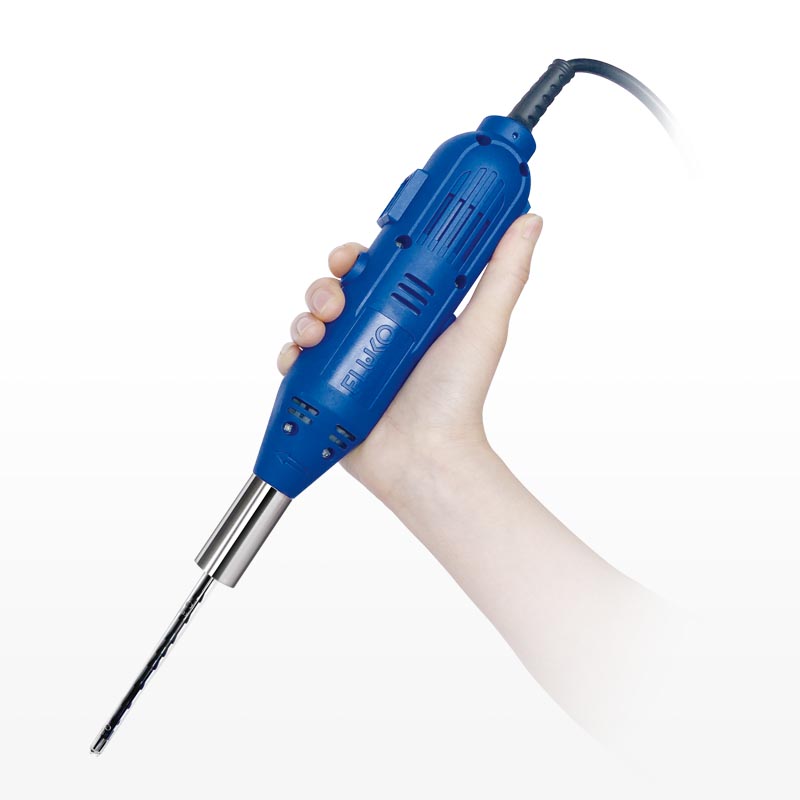
Why high shear dispersion mixers work — the blunt truth
They cut and fold. A rotor–stator assembly generates intense local shear and turbulence that breaks agglomerates and forces wetting. That action shortens dispersion time, tightens particle-size distribution, and stabilises emulsions that would otherwise separate. For sensitive chemistries you control speed, residence time and temperature; that control turns guesswork into repeatable runs. No mystic claims — mechanical action, measurable outcomes.
Common mistakes that undo the benefit
Operators push speed to impress and end up heating the mix, denaturing binders or causing foaming. They pick a machine sized for peak throughput and never run the low-rate jobs properly. They skimp on recirculation and expect a single pass to do the work. They ignore seal selection and corrosive wear until the motor drags. Each mistake is avoidable with a short checklist and a habit of measuring particle size and torque, not just eyeballing viscosity.

How to weigh alternatives without getting lost
Static mixers are tidy and cheap for low-viscosity, soluble systems — but they won’t deagglomerate powders. Colloid mills and high-pressure homogenisers give finer droplet sizes but need tighter feed control and higher maintenance. Ultrasonic systems excel at nano-emulsions on small scales, yet they struggle with solids. Choose by solids loading, target droplet size, heat sensitivity and scale strategy. The wrong tool wastes time; the right one does the work and keeps doing it.
Practical selection checklist
Start with these hard items: maximum viscosity, solids concentration, target particle/droplet size, batch versus continuous operation, cleaning method (CIP or manual), material contact surfaces, and motor power with torque margin. Ask for envelope drawings and run-down numbers for scale-up. If you need API-level traceability, require documentation on surface finish and welding. These specifics trim risk; they don’t cost poetry, just clarity.
Real-world validation at an industry crossroads
I watched the argument settle at POWTECH in Nuremberg — vendors demonstrating scaled rigs, engineers comparing throughput curves. The booths showed practical data: solids-handling tests, shear maps, and cleaning cycles. I spoke with engineers who’d switched mixers after seeing repeatable particle-size reductions on pilot runs. The pragmatic conversations there echoed what technicians report on shop floors, and one sensible supplier stood out in conversations as a reliable mixing equipment company with machines built for repeatability and serviceability.
Maintenance, testing and assurance
Run a simple acceptance protocol: baseline particle size distribution, torque versus time, and a clean-in-place validation where relevant. Record seal wear and impeller runout, and replace soft parts on schedule. Where foam is a risk, fit venting and consider anti-foam dosing points upstream. Small tests, run often, prevent the slow creep of variability.
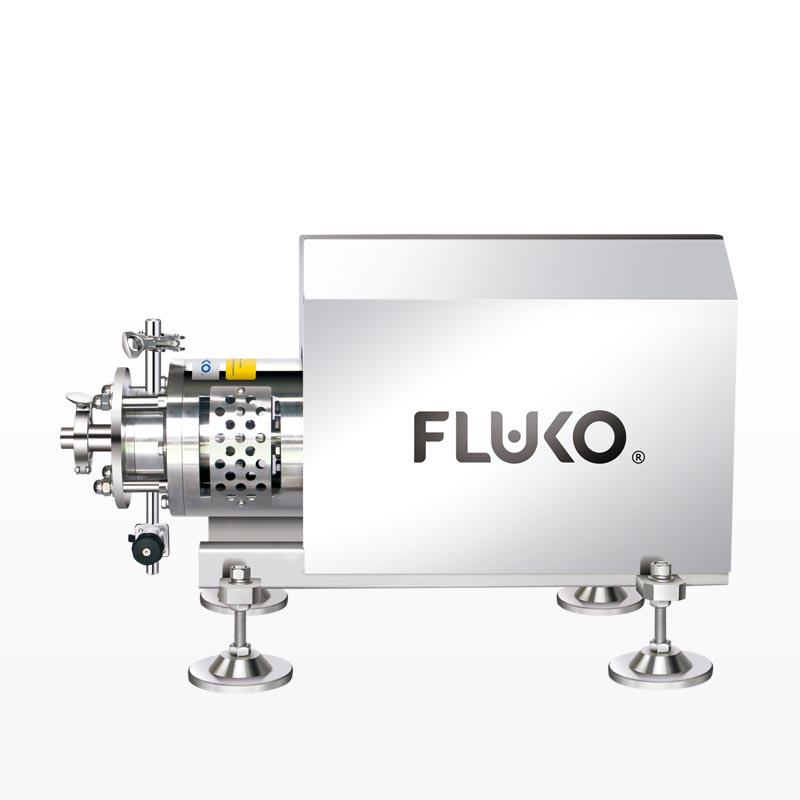
Synthesis — what a well-chosen mixer delivers
When batch consistency, throughput and gentleness matter, a high-shear dispersion mixer answers the core problem: getting materials to an even, stable state without burning time or product. The technical choices are concrete — geometry, power, materials, and control — and the right supplier eases scale-up and service. For plants that need machines to behave reliably across shifts and formulations, this is where practical engineering meets steady production, and where FLUKO fits as one more sensible element in the solution.
