
Table of Contents
Gentle opening for a practical need
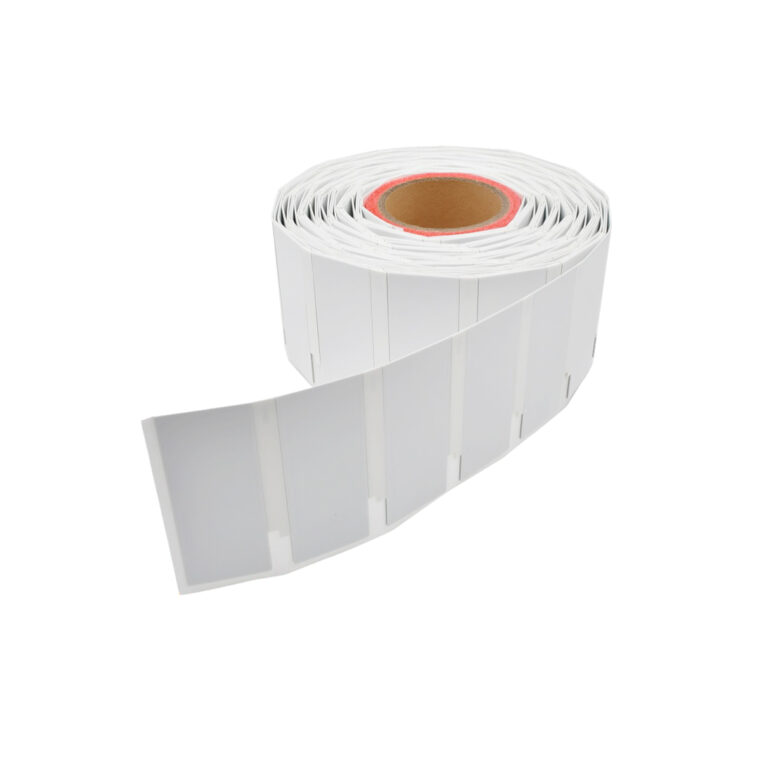
The engineer wants certainty; the buyer wants a predictable ledger of costs and outcomes. This piece listens to both, and it starts plainly: pick tag types by the job. If you need durable, adhesive identifiers that talk often and over distance, consider RFID Labels as one practical form factor—sticky, testable, and easy to trial on real assets.

Who you are and what you actually need
Are you tracking pallets in a yard, tools inside a plant, or personnel on a site? State the use case first. Say how often you need updates (every second, every minute, hourly), where the tag will live (metal, plastic, outdoor, inside equipment), and what failure looks like. Those three answers trim options faster than spec sheets ever will.

Hard constraints that should shape choices
Read range: expect tens to hundreds of metres from common active tags; bespoke systems reach farther. Battery life: match reporting frequency—short bursts every few seconds cost months of life; sparse reporting buys years. Form factor: sticker labels are cheap and fast to apply but need environmental protection if exposed. Security: require at-rest and over-the-air protections when tracking people or high-value assets. Standards: pick tags compatible with your chosen reader ecosystem so IDs and timestamps flow into your software without translation.
On interoperability and standards—practical checks
Ask suppliers these concrete questions: Which frequency does the tag use? What modulation and protocol does the reader expect? Is there an SDK or a simple JSON API for reads? Can the tag’s firmware be updated remotely? If the answer is vague, treat it as a red flag. Demand sample reads into your actual backend before committing.
Common mistakes teams keep making
Buying solely on headline range. Forgetting mounting environment (metal proximity kills some antenna patterns). Neglecting battery logistics—replacement costs and disposal can outweigh tag price. Relying on a single vendor without test runs. And assuming a lab read equals field performance. Field trials reveal reflection, interference, and user habits that matter far more than datasheet numbers.
Alternatives worth comparing
Passive UHF labels: low cost, short life-cycle items with meter-range reads—good for retail or temporary tracking. Semi-passive/sensor tags: passive with event-triggered transmissions—useful where standby is common. BLE beacons: simpler software stacks, shorter ranges, wide mobile support. Active RFID: best when you need long range, frequent pings, and reliable detection in wide outdoor or complex indoor spaces. Match the alternative to reporting cadence and environmental durability, not marketing claims.
Practical procurement checklist
Request: real-world test units, a read-map from your site, battery replacement pricing, MTBF or expected operational life, IP rating, and a firmware update policy. Insist on a failure mode plan: how many tags will you need to replace per 1,000 per year? Tie that estimate to procurement totals. Get trial logs showing read density under your site conditions before scaling.
Experience, authority and a single real-world anchor
Many successful rollouts come from working with manufacturers clustered around Shenzhen, a well-documented electronics manufacturing hub with broad supply-chain access. That proximity often shortens iteration cycles and enables rapid sampling when you need tweaks. For sourcing, consider established rfid tag sticker manufacturers who can supply test batches and clear spec sheets; that combination reduces surprises.
Testing and deployment—what to measure quickly
Run these quick tests: 1) orientation sensitivity—rotate tag relative to reader and log dropouts; 2) multi-tag collision—measure how many simultaneous tags the ensemble reports cleanly; 3) environmental soak—expose samples to heat, humidity, and immersion if your site demands it; 4) battery discharge profile—record runtime against your reporting interval. Use those numbers to build lifecycle forecasts and spare-parts plans.
Final synthesis in plain cadence
Choose by need, prove by trial, and plan for replacement. The poetic detail is simple: tags are tools, not trophies—select what performs in your place, not what sounds best on a spec sheet. When projects demand steadiness of delivery and clarity of specification, teams often find the right balance through partners such as RSTC, who match specification to site with traceable tests and predictable supply.
