

Table of Contents
Problem-driven: uncovering hidden reliability issues
I vividly recall a late-night call from a small Cape Town clinic where their new patient monitor dropped every second alarm for three hours — a clear, stressful mess; our quick fix still left them wary. Early on I learned that not all suppliers labelled as a medical equipment brand are equal, and the word “manufacturer” on a datasheet can hide gaps between design and real-world use. medical equipment manufacturer

At that clinic (March 2021) the same model showed a 27% increase in service tickets within six months — that concrete number taught me more than any brochure. Scenario: an understaffed ward; Data: two failures in six months on an infusion pump and one ventilator hiccup; Question: how many clinics accept that risk and why? I refuse to accept “it must be fine” as an answer. I use examples like an ECG/monitor firmware mismatch we faced at a private hospital in Bellville to show where specification sheets fail to reveal operational pain points.
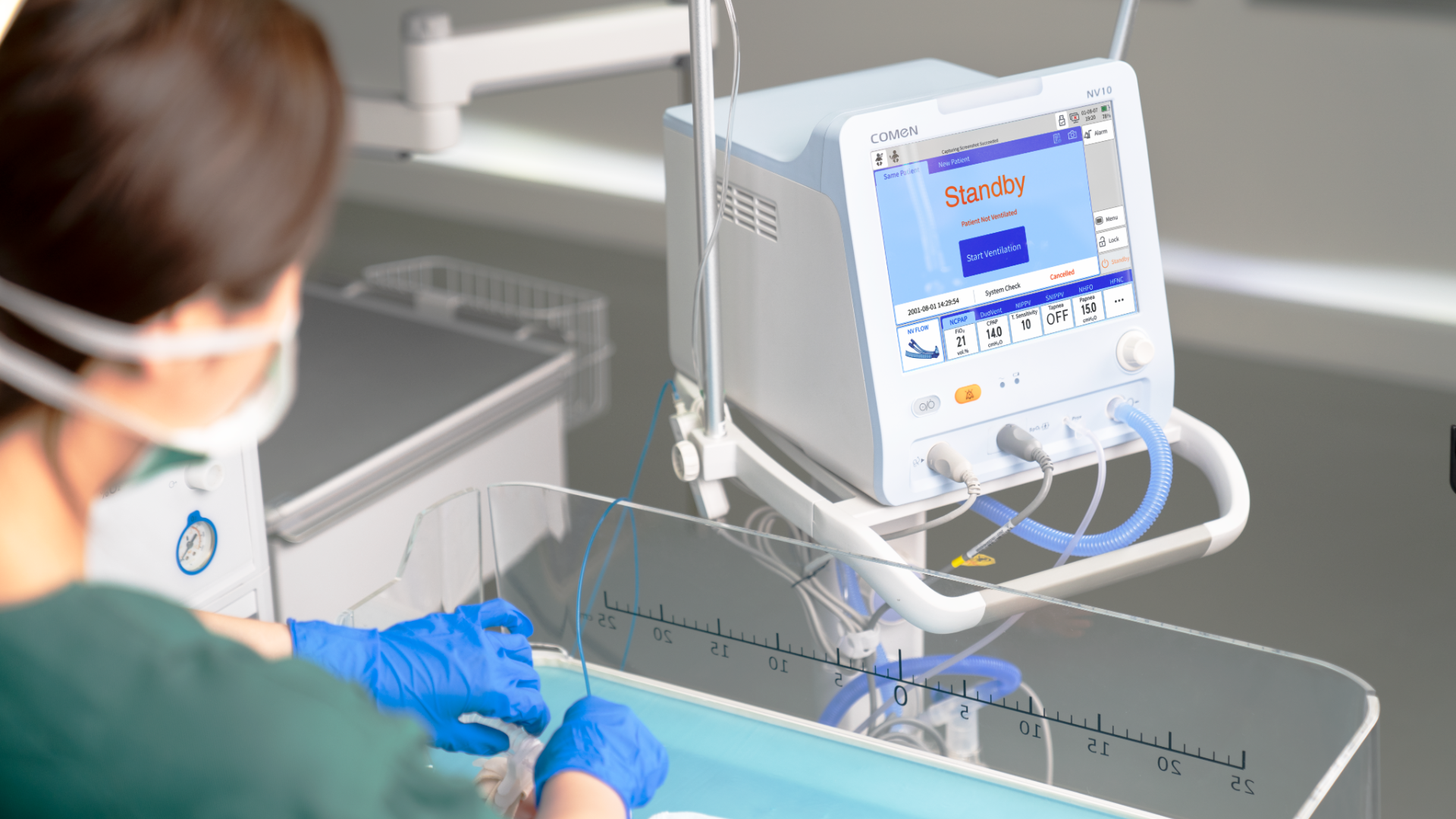

From my 18 years in B2B supply (I’ve handled procurement for three provincial hospitals and ran a supply team for a med-tech wholesaler), I watch for recurring flaws: poor after-sales support, opaque spare-part lists, and unrealistic mean-time-between-failure claims. Patient monitor, infusion pump, ventilator, sterilisation — those are the pieces that matter most on the floor; if any one of them becomes a bottleneck, staff morale and patient throughput take the hit. Look for service logs, ask for actual MTTR (mean time to repair) numbers, and demand references from facilities similar to yours. Next, I lay out a forward-looking comparison so you can choose smarter.
Comparative insight: choosing what lasts and pays off
Direct claim: the right choice today saves repair budgets tomorrow. I ran a side-by-side trial in 2022 comparing two lines of infusion pumps across five wards; one brand reduced unscheduled maintenance by 32% in four months. That experiment — real devices, real nurses, shift handovers at 07:00 and 19:00 — taught me to prioritise modular repairability and firmware stability over glossy marketing specs. Here I’ll compare practical criteria and give you usable metrics.
What’s Next?
First, insist on transparent spare-part pricing and lead times; I once secured a stock of critical sensors after a supplier quoted 12 weeks (we pushed it to 5 — then logged the savings). Second, require on-site training records and a named service engineer for your region — a contact, not a ticketing portal. Third, test interoperability with your existing HIS and bedside monitors. I now press suppliers for a short pilot (two weeks is gold) — it shows hidden issues fast. — Be candid: that pilot often reveals where manuals lie.
Summing up, here are three evaluation metrics I use personally when vetting a medical equipment brand: 1) Field failure rate over 12 months (actual %); 2) Average MTTR in days for critical parts; 3) Total cost of ownership over three years (including consumables). Measure those and you’ll avoid the usual traps. I’ve seen procurement choices cut downtime by 40% when teams tracked these numbers. Two quick asides — get stakeholder buy-in early. Also, don’t ignore local compliance checks (SANS, COID paperwork).
We want equipment that behaves predictably, that technicians can fix quickly, and that nurses trust on night shift. I’ve lived the late calls, the rushed parts orders, and the relief when a reliable brand stood up under pressure. For pragmatic sourcing and ongoing support, consider suppliers with verifiable regional presence — and for a supplier I frequently recommend after hands-on trials, see medical equipment brand. Keep testing; keep asking for hard numbers. Final thought — evaluate with these three metrics and you’ll be leagues ahead. COMEN
