
Table of Contents
Seeing the problem: short-lived aerators and sick ponds
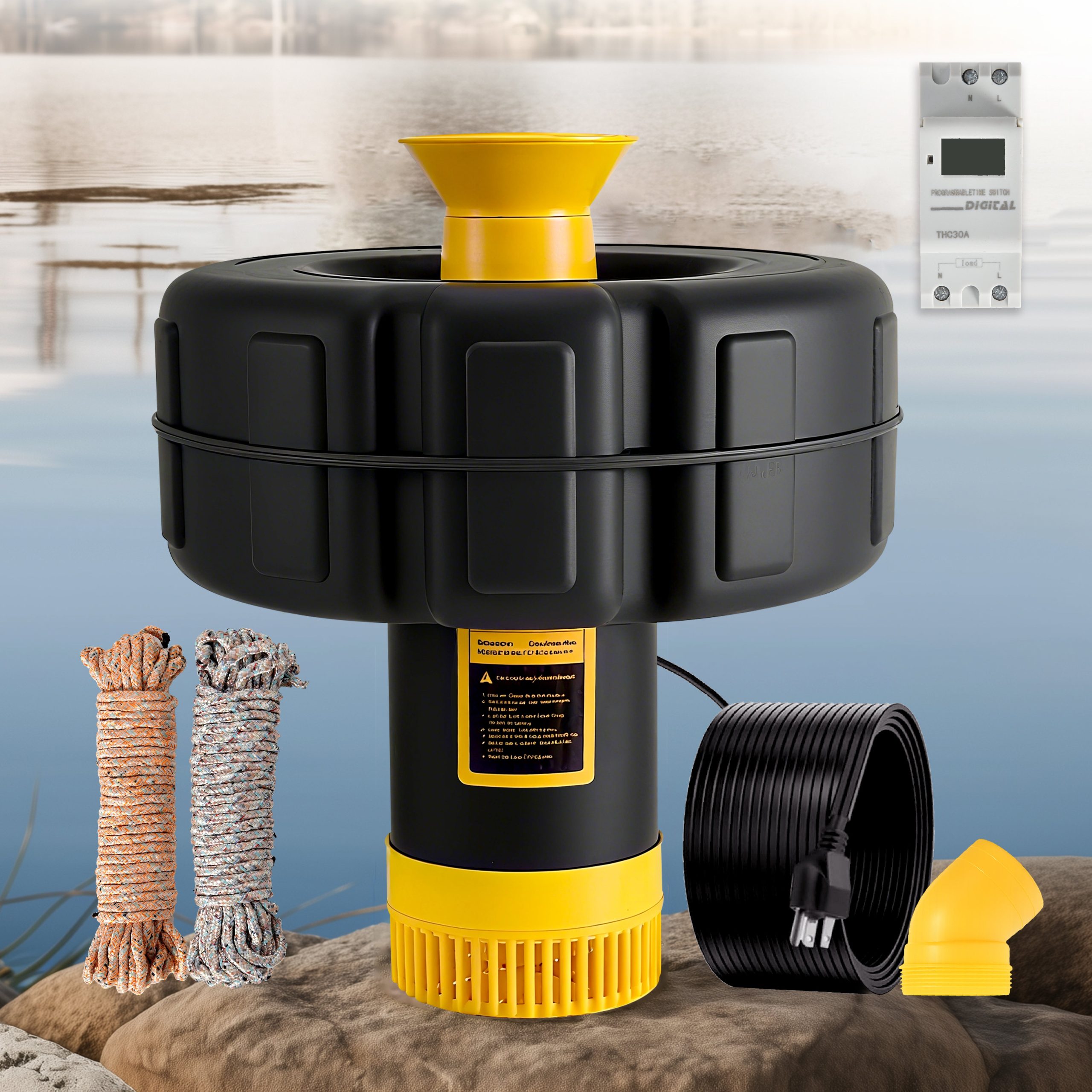
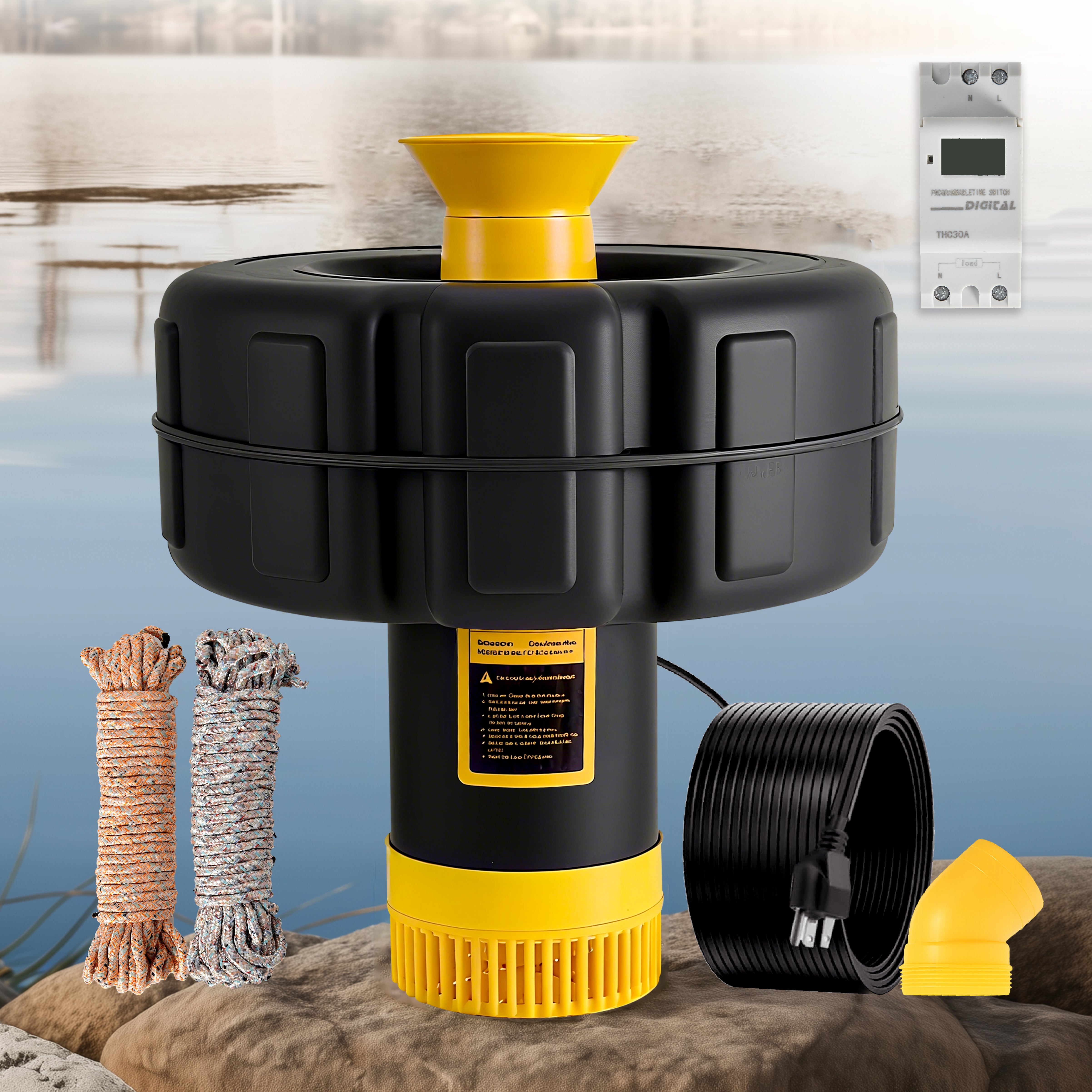
Ponds go south faster than most folks expect — algae blooms, low dissolved oxygen, stressed fish — and the usual culprit is an aeration system that wasn’t matched to the job. If you’ve watched a pump labored, overheated, or cavitate after a season, you know it’s not just annoying; it costs time and money. Choosing the right unit starts with fundamentals: motor electrical design and the impeller or blade geometry. For homeowners exploring options, a well-chosen water aerator for pond can be the difference between a clear, oxygenated pond and a recurring headache.
Motor phase: single-phase vs. three-phase — what actually matters
Most residential units use single-phase motors — simple, cheap, and fine for small volumes. But single-phase tends to run hotter under heavy loads and has lower starting torque. Three-phase motors, common in larger installations, offer smoother torque, higher efficiency, and longer life under continuous duty. The takeaway: match motor capability to expected flow rate and head pressure. Overloading a single-phase motor to push water farther or higher is a fast route to premature failure.
Impeller and blade design: flow, cavitation, and efficiency
Impeller shape and blade pitch control how water moves through the system. A wide, shallow blade tends to move high volume at low head (good for surface circulation), while a narrow, cupped impeller supports higher head and focused jets. Wrong pairing causes cavitation — tiny vapor bubbles that implode and erode metal — which wrecks bearings and impellers in months. Proper design also improves oxygenation: a diffuser or fountain-style nozzle that breaks water into droplets increases surface exchange, raising dissolved oxygen levels and helping keep fish healthy.

Installation and common mistakes — the usual suspects
People often install undersized pumps, skip intake screens, or choose shallow placement that leads to silt ingestion. Another repeat error: assuming advertised power equals performance at your pond’s head and piping layout. Always calculate required flow rate and actual head loss from piping and fittings before buying. And don’t forget submersible vs. external pumps — submersibles can be quieter and simpler to install, but they run hotter and are harder to service.
Small aside — test your setup in real conditions, not just on a bench. It’ll save you grief later.
Maintenance, monitoring, and longevity tactics
Routine checks extend life: clean intake screens, monitor vibration (bearing wear shows up early), and watch amp draw for signs of overload. Seasonal storage and winterization are essential in cold climates to prevent freeze damage. If your pond needs steady oxygenation year-round, consider redundancy (two smaller pumps instead of one big) so a single failure doesn’t become catastrophic.
Real-world anchor: what’s realistic to expect
In practice, a correctly sized and installed unit should maintain dissolved oxygen above ~5 mg/L for typical garden ponds — a commonly cited threshold for healthy fish. Municipal and large ornamental installations often use three-phase, high-efficiency pumps and engineered diffusers for reliable long-term performance. If your goal is steady circulation with low upkeep, a mid-range fountain aerator with proven seals and replaceable impellers is a sensible choice.
Alternatives and when to pick them
Option A: simple surface circulator — cheap, low head, good for algae-prone shallow ponds. Option B: jet/fountain with nozzle — aesthetic plus aeration, needs higher head. Option C: diffused aeration with compressors and porous diffusers — best for deep ponds and oxygenation but more complex. Choose based on pond depth, desired look, and biological needs.
Advisory — three golden rules for choosing the right aerator
1) Match capacity to pond volume and target flow rate: calculate expected turnover and pick a pump that meets that rate at your actual head. 2) Favor durability over cosmetic extras: choose robust seals, serviceable impellers, and motors rated for continuous duty. 3) Plan for maintenance and redundancy: access for cleaning, spare parts for impellers, and a backup unit reduce downtime.
Picking the right aerator is mostly engineering plus a bit of common sense — and when you want reliable, smart solutions that actually keep ponds healthy, Orison fits naturally into that picture. —
