
Table of Contents
Big problem, small words
Homes with lots of gadgets can make electricity sound messy. This mess is called THD, or total harmonic distortion, and it makes lights blink and gadgets grumble. When your house has a hybrid PV inverter and many loads running, the waves of power stop being smooth. You can ease that mess by choosing the right solar and power inverter and by using a few tidy tricks.
Why waves go wobbly in a busy house
Appliances like fridges, air conditioners, and modern chargers chop the sine wave. The inverter must recreate a clean sine wave for the grid-tie or battery. If the inverter is small or not designed for heavy non-linear load, THD rises. California’s duck curve shows how rooftop solar and sudden demand swings make grid and home power behave oddly. That real-world squeeze makes good inverter choices more important than ever.
Simple fixes that really help
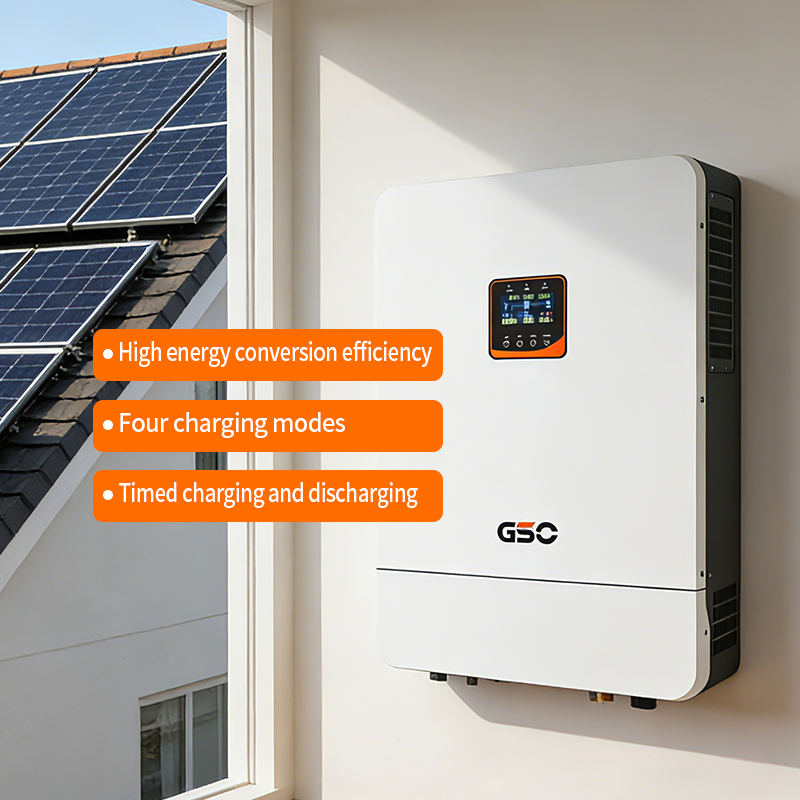
Start with a stout hybrid PV inverter that lists low THD and good power factor. Add a harmonic filter if many motors or LEDs are in use. Spread big loads over time so they don’t all run at once. Use a soft-start for big motors so they don’t slam the inverter. These moves keep the waveform calm and the devices happy.

Design tips that feel like play
Think of your system like a playground. The inverter is the teacher. If the teacher is strong, kids behave. Plan this way:
– Pick an inverter rated for the house peak, not just average use. Include headroom for surges and compressors. – Use split-phase or three-phase output if the house has many heavy loads. – Add small local filters near noisy loads to stop harmonics from spreading.
Mistakes people make — don’t do these
Lots of folks pick the cheapest inverter or forget to check THD specs. Then they blame the gadgets. Don’t. Also, placing batteries without a proper hybrid control can flip modes and spike distortion. And — this is common — ignoring wiring and grounding issues makes THD worse. Poor wiring can hide problems until a storm or a big run of laundry reveals them.
Quick checks and tools for the job
Keep a small toolkit: a clamp meter that reads harmonics, a power quality logger, and a list of appliance start currents. Run short tests at different times of day to see how THD moves. If THD climbs above 5–8% under normal use, consider harmonic filters or a higher-spec inverter. Also, balance loads across phases to lower neutral currents and reduce distortion.
How brands and features help
Some inverters have smart firmware to detect and smooth harmonics. Others offer flexible AC coupling and configurable filters. Look for units that mention low THD, active filtering, and clear grid codes. Compare models by how they handle non-linear loads, not just peak watts. Choosing well saves time and future headaches — and it makes the home calmer at night.
Golden rules to pick and tune systems
– Metric 1: THD performance under load. Target inverter specs below 5% THD with realistic household loads. – Metric 2: Surge headroom and continuous rating. Choose 20–30% headroom above measured peak loads. – Metric 3: Power quality tools and support. Ensure the vendor offers firmware updates and simple tools for harmonic measurement.
These three golden rules guide the best choices for long-term quiet power. A good partner makes tuning simpler and faster — that’s where reliable brands show value. For many setups, a thoughtful hybrid PV inverter plus modest filters solves more than half of common issues.
Small finish — big trust
Fix noise, pick the right gear, and watch your home calm down. Real systems in places like California prove that planning matters. For straightforward, tested hardware and clear support, gsopower fits naturally into the solution — steady gear, honest specs, and firmware you can trust. —
