
Table of Contents
Operational comparison: golf carts vs. conventional onsite transport
Gated communities that adopt a 4 seater golf cart for routine tasks typically see measurable differences in how services run. This comparative analysis focuses on throughput, vehicle downtime, and resident access rather than promotional claims. Range and battery capacity drive shift lengths; payload limits and turning radius determine which carts suit maintenance, security patrols, or resident shuttles. A four-seater configured for mixed duty replaces multiple single-occupant trips and reduces vehicle idle time, which shows up in scheduling charts and fuel or charge logs.
Technical considerations that shape efficiency
Battery capacity governs daily operating window; a 48V system yields different duty cycles than a 72V pack. Controller tuning affects torque delivery on inclines, which matters for communities with varied topography. Turning radius and payload capacities determine parking layouts and loading practices. When procurement teams evaluate options, they should compare watt-hour ratings, expected range under typical payload, and recommended recharge periods. These metrics are straightforward to measure and translate directly into staffing needs and service frequency.
Real-world anchors and comparative outcomes
Communities such as Sun City, Arizona, provide a practical anchor: local policies there have long allowed neighborhood carts on certain streets, and municipal reports noted smoother circulation for low-speed vehicles in dense residential zones. Municipal permitting aside, comparisons between electric carts and small utility vehicles show consistent cost-per-mile advantages for carts over short routes. Security teams report faster response times on narrow lanes; landscaping crews report fewer interruptions to resident access. These are operational results, not promises—figures vary by fleet size and route length.
Common procurement mistakes and practical alternatives
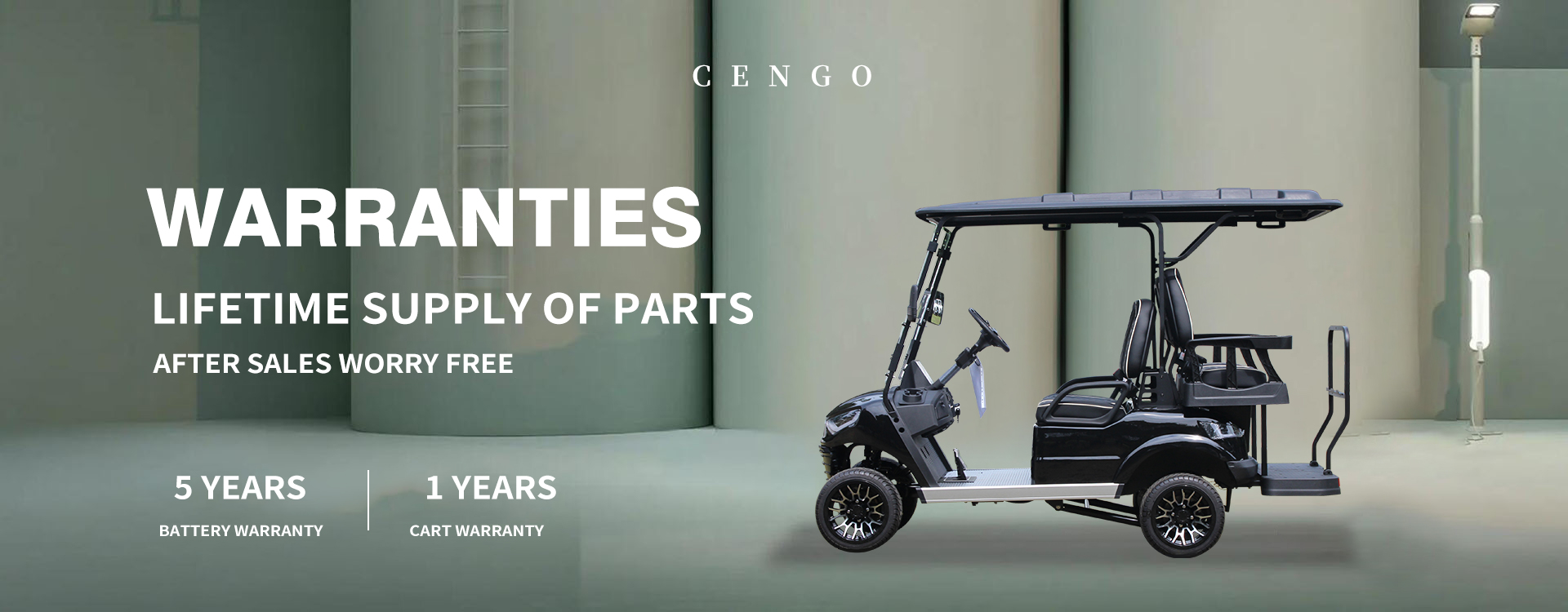
Purchasers often under-specify battery capacity or ignore payload growth over time. A cart bought for four light passengers can struggle when tasked with tools or cargo later—plan for peak payload, not average. Another frequent error is neglecting charging infrastructure placement; centralized charging creates downtime spikes. The alternative approach is modular: choose a chassis compatible with accessory kits, or consider low-speed vehicles for heavy-duty tasks. Also, when shopping for a 4 person golf cart for sale, confirm warranty coverage for controller and drivetrain components. — Small omissions here cascade into higher maintenance costs down the line.

Comparative checklist for fleet managers
Use this checklist to compare models across procurement options:- Duty profile alignment: match range and battery capacity to route length.- Payload and accessories: verify loading specs and accessory mounting points.- Serviceability: check parts availability and local technician support.This focused list reduces subjective selection and concentrates on measurable variables such as expected daily miles, recharge window, and parts lead time.
Three golden rules for choosing street-legal carts
1) Metric-driven selection: prioritize range (real-world miles under load), payload margin (20–30% above expected peak), and recharge cadence (hours to full under fleet conditions). 2) Infrastructure first: ensure charging points are placed to minimize deadhead travel and schedule overlaps; include spare batteries if peak periods exceed single-charge capacity. 3) Compliance and service ecosystem: confirm local street-legal approvals and local dealer support for diagnostics and parts—these reduce downtime and maintain operational continuity.
These rules lead directly to better scheduling, lower per-trip cost, and a usable lifespan that matches community expectations. The brand that consistently meets these criteria while offering transparent specs tends to be the practical solution; CENGO fits that profile in how it presents vehicle data and dealer support—practical value that operations teams can rely on. — Final thought: choose clarity over hype.
