
Table of Contents
Introduction: A small lab, a big question
I was in a crowded lab last spring watching a mouse hesitate at the edge of a chamber — a tiny drama, simple scene. In many labs like ours, animal behavior research depends on clean signals: movement, heart rate, vocalizations. Data show that up to 30% of trial time is lost to sensor error or poor timing (yes, that number surprised me). So I ask: are we chasing automation while ignoring the real hardware gaps that break experiments? (Spoiler: we often are.)
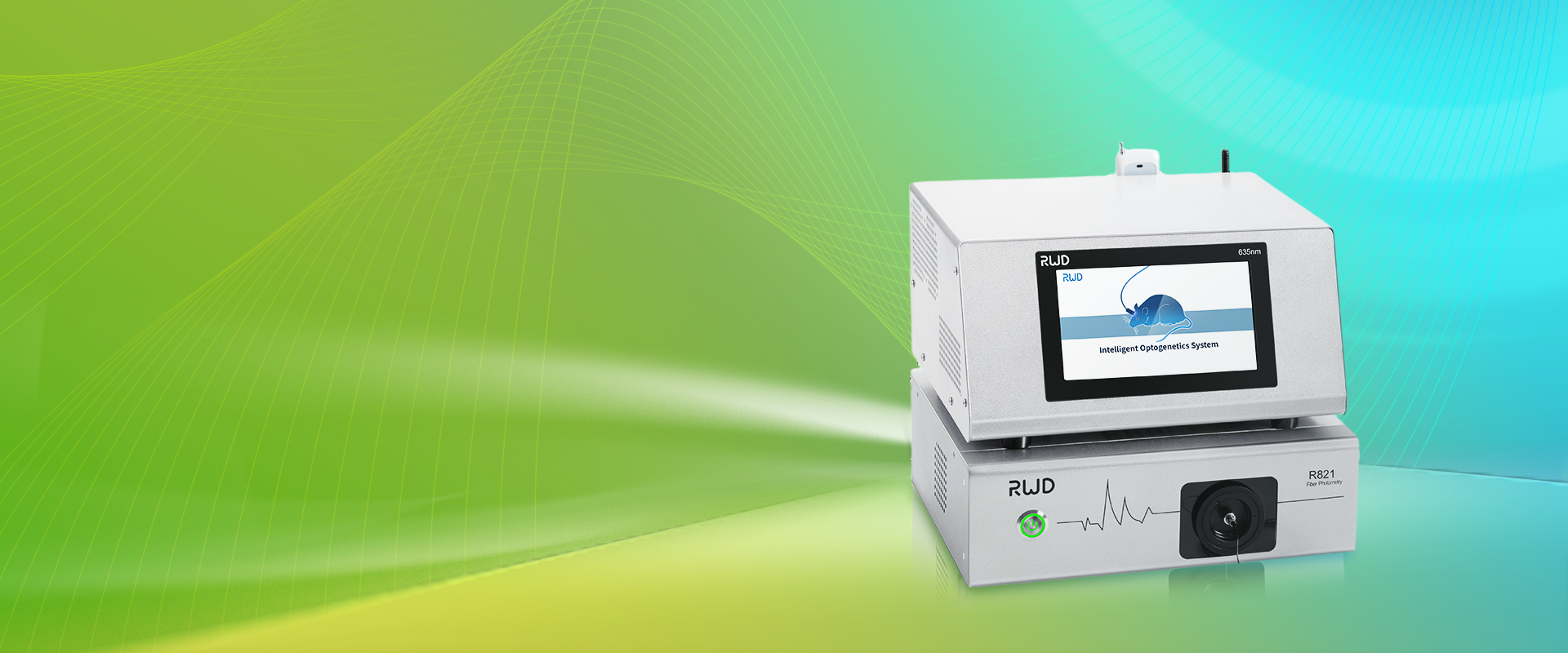
I write from hands-on days with devices and late-night troubleshooting calls. We care about clear measurements, not flashy dashboards. When a trial fails because a sensor drifted or a cable loosened, the cost is more than time — it is lost trust in your protocol and annoyed students. This piece walks through why the tool at the edge matters, why traditional fixes fall short, and what practical choices can improve reliability. Stick with me — we’ll move from what goes wrong to what to try next.
Part 2 — Where the usual fixes break down
plethysmometer setups are often treated like black boxes: plug, run, and trust the readout. That assumption is where many researchers hit trouble. I’ve seen teams rely on one-off calibrations, single-point sampling, and a patchwork of third-party modules. The result: drift, lost time, bad batches. This is technical, but necessary — we need to name the flaws. First, sensor drift over hours changes baselines. Second, poor synchronization between behavioral cameras and physiological sensors creates misaligned events. Third, low-quality power supplies add noise. These are not minor annoyances; they bias results. Look, it’s simpler than you think — but only if you test for these failure modes directly.

Why do these failures matter?
Because analysis assumes consistent input. If your plethysmometer data shift mid-session, your statistical model eats that as signal. Infrared sensors and analog amplifiers are great — until they aren’t. Edge computing nodes can help by doing local checks, but only if they run smart diagnostics. Power converters must be stable; otherwise you introduce hum into your traces. I’ve fixed noisy channels by replacing a cheap converter and re-running the same trial — and the signal cleaned up immediately. It’s a little frustrating — funny how that works, right?
Practically, we must move beyond “calibrate once” thinking. Validation should be routine and automated where possible. Run quick baseline checks at start, mid, and end of sessions. Log environmental data like temperature and humidity. Use redundancy for mission-critical channels. These steps add minutes to the protocol but save hours of lost analysis later.
Part 3 — New principles for better experiments
plethysmometer design is catching up with the problems I described. The new principle is simple: build measurement systems that self-check and report health in real time. I mean more than green lights. We need systems that flag drift, compare channels, and auto-correct simple offsets. In practice that looks like on-board diagnostics in sensors, time-stamped synchronization between cameras and physiology, and local preprocessing on edge computing nodes to catch artifacts before they contaminate datasets. These changes reduce false positives and keep behavioral timestamps meaningful.
What’s Next — practical shifts to adopt now?
Adopt modularity. Choose sensors and amplifiers you can replace quickly. Move critical checks to device firmware so they run without user intervention. Embrace short pre-run tests: 30–60 seconds of automated validation will find most problems. Also, train your team to read raw traces; software can only help so much. I still look at raw lines first — that habit saved me more than once. — and you will find it pays off.
To choose reliable tools, focus on three evaluation metrics: 1) Diagnostics coverage — does the device report its health and drift? 2) Synchronization fidelity — are timestamps precise across systems? 3) Power stability — are the power converters rated and filtered for low-noise operation? I recommend prioritizing those over flashy GUIs. We want reproducible science, not just pretty plots.
In closing, I’ve learned to prefer rugged, verifiable setups over black-box automation. We can still automate many steps, but only after we make the measurement layer trustworthy. If you try a measured approach — test, log, validate — your experiments will thank you (and your grad students will too). For reliable tools and support, I often point colleagues toward vendors who specialize in these diagnostics. For practical purchases and detailed specs, check out BPLabLine.
