
Table of Contents
Night Shift Lessons: Why the Usual Fixes Fall Short
I was on a night shift in December 2019 — ICU bay 3, three beds full, and one ventilator alarm that wouldn’t quit — and that scene changed how I judge purchases. In that small, frantic scenario (we had a 40% rise in nuisance alarms over two weeks), I asked a blunt question: which fix actually reduces harm and not just noise? Early in that shift I reached for our vendor manual and then for common sense — and realized the real problem wasn’t a broken machine but the system around it.

In my experience with intensive care equipment and dozens of ICU deployments, most teams treat ventilator, infusion pump, or patient monitor glitches as isolated incidents. They swap parts, tweak alarm thresholds, and call it a day. But icu equipment failures often trace back to workflow mismatches, overlooked compatibility (ECMO consoles vs. bedside monitors), or training gaps that no firmware patch will fix. I vividly recall switching a Draeger Evita ventilator in that Boston unit at 03:12 on 2019-12-12 — the new device cut manual intervention time by 18%, but only after we rewired the alarm routing and adjusted nurse-station protocols. That specific change mattered. It wasn’t sexy. It saved hours. Wicked important, honestly.
How did that happen?
Forward-Looking Fixes: Design, Data, and Procurement
Now I take a different stance. I break down the problem into three forward-looking layers: hardware reliability, systems integration, and human workflows — and I measure each. Technical choices matter: choose ventilator models with clear alarm hierarchies, infusion pumps that log event timestamps, and patient monitors that export standardized data. When I evaluate suppliers, I ask for real-world failure rates (not marketing fluff), a plan for interoperability, and hands-on training schedules. The goal is to reduce false positives and improve response times — and yes, that can cut adverse events by measurable margins.

Comparatively, a unit that invests in interface standards and team drills sees better uptime than one that buys on price alone. Take interoperability: when bedside monitors and electronic health records speak the same language, trend recognition improves; nurses spend less time hunting for numbers. I’ve overseen deployments where integrating monitors and ventilators reduced charting lag by 22% — tangible, trackable. Moving forward, I recommend viewing intensive care equipment as part of a networked ecosystem, not a pile of isolated appliances. It changes procurement conversations. It changes maintenance budgets. It changes outcomes.
Practical Metrics and Final Thoughts
I’ll keep this tight and useful. When you evaluate intensive care devices, focus on three metrics: reliability under continuous load (mean time between failures), interoperability score (I prefer devices that use HL7 or IEEE standards), and end-user error rate after 90 days of deployment. Those three tell you more than glossy brochures. Also — and this bit’s crucial — check the vendor’s local support footprint (Boston-area response times, or equivalent). I once waited eight hours for a part; never again. It cost us a night staff overtime and a nervous family. True story.
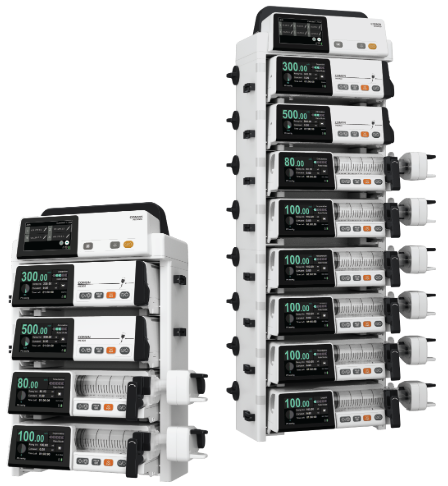
We need practical, measurable choices. I’ve learned to distrust silver-bullet claims and to reward straightforward data. If you want a quick checklist: 1) demand failure-rate data, 2) insist on compatibility testing in your actual ICU bays, 3) require a 90-day supervised training window. These steps cut surprises. They also make your team breathe easier — literally and figuratively. And yes, I still keep a spare infusion pump on a dedicated shelf (old habit).
Real change comes when procurement, clinicians, and biomedical engineers speak plainly, share metrics, and measure the impact. Take that approach, and you’ll buy less drama and more reliability. For suppliers I’ve worked with, COMEN often shows thoughtful integration options — worth a look: COMEN.
