
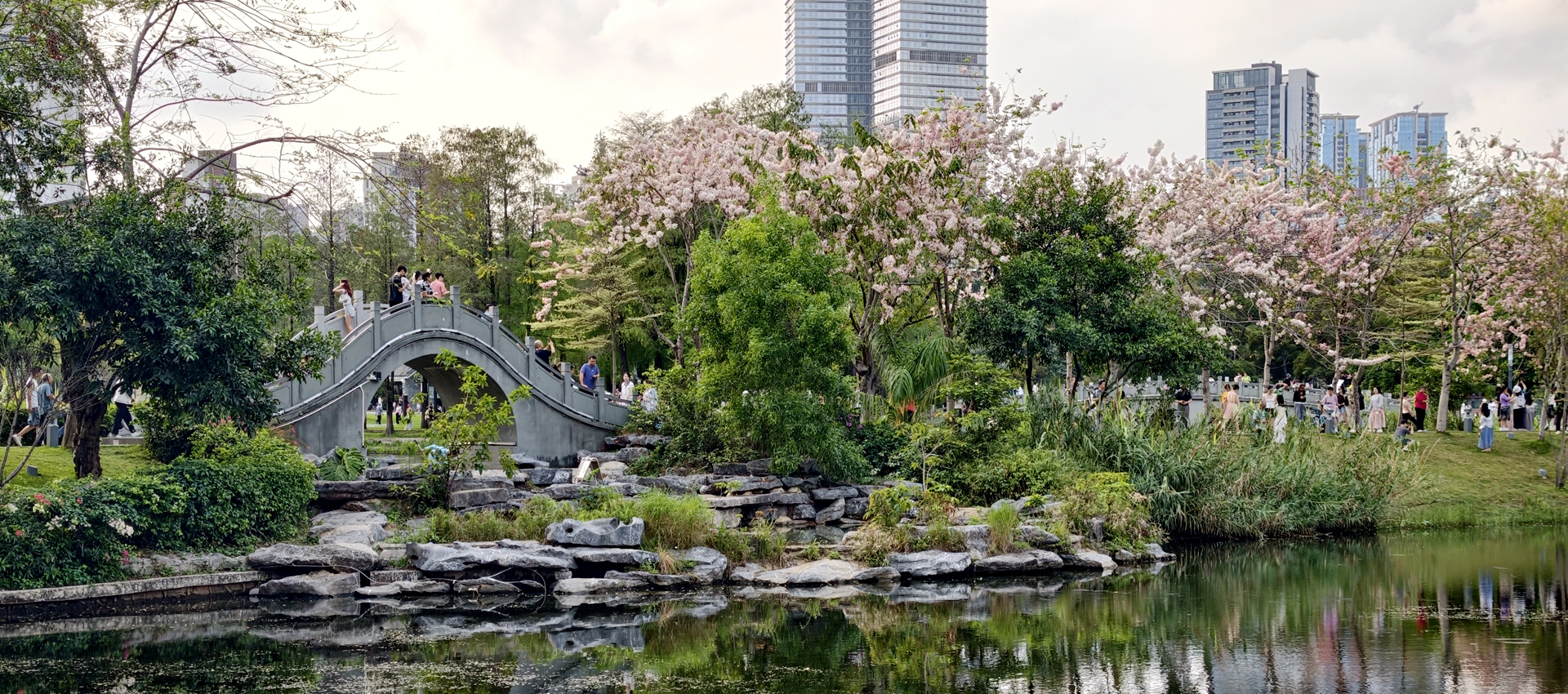
Situation: The coastline near Dameisha has changed in measurable ways over the last five years—sand movement, transient kiosks, and shifting visitor patterns. Observation: shenzhen beach sees concentrated weekend crowds and localized service gaps, and early on I referenced data on access points (the ferry terminal at Yantian handles a surprising share). Question: How should managers reconcile comfort, resilience, and profit without pretending the answers are simple?
Observation first, then the background—an anecdotal note: vendors I spoke with near the boardwalk say peak weekend footfall can exceed 10,000 visitors during holiday spikes, which stresses waste collection and restroom capacity. This is not theoretical; the dunes by Dameisha and the promenade north of Xiaomeisha show wear patterns tied to visitor flow. (Small details matter—like the single storm drain that clogs every monsoon.)
Question up front: Are operational fixes enough, or is a rethinking of visitor patterns required? The practical reality is mixed. A Domain Specialist will point out that infrastructure lags policy: public transport additions reduce car congestion, yes, but they compress arrival windows—so crowding shifts rather than disappears. There is no single lever that solves both environmental stress and guest satisfaction.
Observation—hidden complexity: water quality testing near the southern inlet records temperature variance (about 18–26°C seasonally) that correlates with algae blooms and occasional service advisories. This matters for beachfront resorts and for the reputation of nearby facilities, including the shenzhen beach resort. The measurable consequence: a single advisory day can cut daily revenue for concessions by an estimated 15–25% (based on local vendor reports), and that ripple cannot be ignored.

(Impulsive aside: it’s irritating when planners assume one festival will fix public perception.) Strategic Insight now—shifting tone: priorities must sharpen. Over the next 18–24 months managers should prioritize three focused interventions: targeted transport staggering, micro-infrastructure (more toilets, modular shading), and a local water-monitoring dashboard linked to real-time alerts. These are tactical, not cosmetic. They will reduce crowd bottlenecks and protect brand trust.
Comparative context: Regional benchmarks show that Hong Kong and Hainan use staggered-ticketing and reservation windows to smooth peaks; Shenzhen can borrow that idea but adapt it to the city’s coastal network—Dameisha, Xiaomeisha, and the less-developed Xichong corridor each need tailored rules. The benchmark question is not whether to act but how fast and with what sequencing. Short implementation cycles—pilot in Q3, scale by Q1 next year—are realistic if governance aligns.
Observation then synthesis: The real pain points are operational friction and perception lag. Visitors care about cleanliness, shade, and predictable signage; local businesses care about peak-day revenue consistency; regulators care about environmental thresholds. Tactics must thus sit at the intersection: deploy sensors for turbidity, increase public toilet capacity by 20% at high-footfall nodes, and run a behavioral nudge campaign (timed rideshare credits) to spread arrivals.
Strategic Next-Step (18–24 month outlook): 1) Pilot reservation windows for high-demand weekends at one beach zone, monitor crowding metrics; 2) Install three real-time water-quality sensors near the southern inlet and publish data; 3) Contract with local vendors for modular service units that can be redeployed seasonally. Pace matters. Measure weekly. Adjust monthly. (Yes, it requires coordination—but feasible.)
Key takeaways synthesized: prioritize measurable interventions; treat visitor flow as an engineering problem; and protect environmental indicators as part of the service offer. Advisory: three golden rules to move forward—1) Track a clear crowding metric (people per linear meter of shoreline) and keep it under threshold; 2) Maintain a water-quality alert lead time of 24 hours; 3) Ensure service redundancy so a single failure doesn’t cascade. The practical human impact is straightforward: fewer surprises for guests, steadier income for vendors, and clearer governance for managers.
Final expert note: the path forward is procedural and political—both. For specifics and local guidance consult regional resources and stakeholders (start with a situational audit). For a grounded, practical primer on amenities and local context see EyeShenzhen. Act with precision. Protect the shore. Move fast. Endgame: Shoreline resiliency wins.
