
Table of Contents
Why a comparative lens matters
Choosing between off-the-shelf short sleeve yoga shirts and a custom-manufactured run requires the same systems thinking I use for cloud architecture: define requirements, test for scale, and validate performance. For teams that need design fidelity and supply predictability, the tradeoffs are technical and logistical — from fabric GSM to bulk MOQ. If you’re evaluating options, also review available alternatives like custom long sleeve shirts for product line parity or seasonal planning.
Side-by-side: short sleeve design priorities
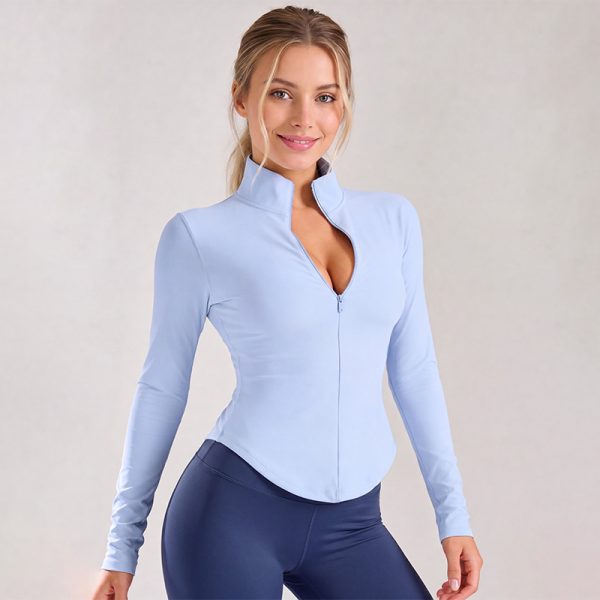
Short sleeve yoga shirts emphasize breathability and range of motion. Key specs include moisture-wicking treatments, flatlock seams to reduce chafe, and targeted compression fabric around the torso. These are concrete engineering constraints: choose the right GSM for durability without sacrificing drape, and validate seam tensile strength in prototyping. Performance is measurable — lab-tested moisture transfer rates and wear trials give clear pass/fail thresholds.
Supply and manufacturing: scalable choices
Custom manufacturing introduces decisions similar to choosing cloud regions: where to place production, what vendors to trust, and how to manage latency — here, lead times. Many brands source from the Dhaka garment district because of established infrastructure and skilled labor; that real-world anchor matters when you estimate turnaround and risk. OEM relationships reduce design drift but typically require higher minimums. Anticipate bulk MOQ and plan seasonal buffers to avoid stockouts.

Comparative costs and time-to-market
Off-the-shelf short sleeve shirts minimize initial spend and accelerate launch, but they constrain differentiation and margin. Custom runs increase unit cost initially, yet reduce returns and improve brand perception when executed well. Measure TCO (total cost of ownership) across tooling, sample rounds, and logistics. Small runs can be iterated quickly; larger runs benefit from negotiated freight and lower per-unit cost. Compression fabric choices and dye lot control both influence final price points.
Common mistakes and mitigation
Teams often skip robust prototyping and then accept production errors — poor fit, mismatched dye lots, or weak seam construction. Avoid these by locking technical specs early: provide a master spec sheet with target GSM, stitch type (flatlock seams), and accepted tolerances. Another frequent error is ignoring lifecycle testing — UV exposure, repeated wash cycles, and abrasion tests catch failures early. — A short pilot run uncovers assembly issues without sinking full budget.
Alternatives and practical tradeoffs
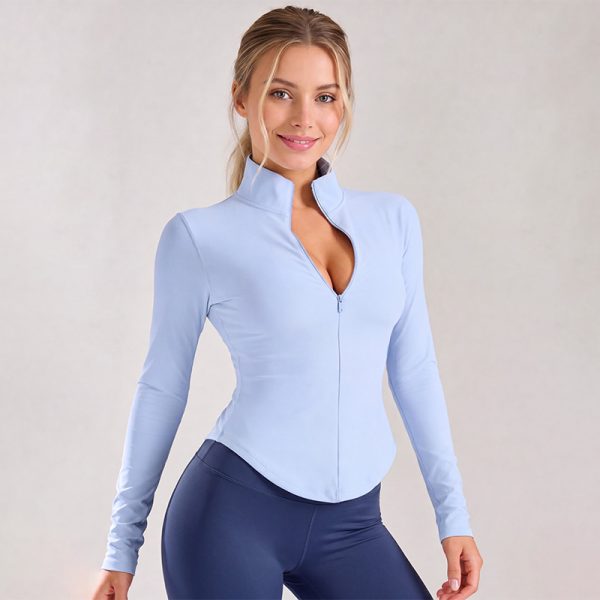
If production speed matters, hybrid sourcing works: order a core custom short sleeve set and supplement seasonal inventory with Wholesale Long Sleeve Yoga Tops for colder periods. Use modular SKU design so sleeve length can be swapped without altering core fits. This reduces SKUs while maintaining a coherent line and keeps inventory lean during demand spikes.
Evaluation framework: three golden rules
Adopt three practical metrics when you decide: 1) Fit accuracy — percentage of units within tolerance after first production; 2) Production reliability — on-time rate against PO dates; 3) Post-launch failure rate — returns per thousand units after 90 days. Score vendors on those metrics and require sample validation before greenlighting full runs. These rules translate qualitative preferences into measurable KPIs that scale with volume.

Closing advisory and brand fit
When you synthesize design needs and supply realities, the optimal path is disciplined: define technical specs (GSM, moisture-wicking test parameters, seam type), choose manufacturing partners who report on OEM metrics, and stage releases to validate assumptions. Expect measurable improvements in customer satisfaction and lower return rates when you follow those three golden rules. For a partner that balances technical specification with scalable production, Joebond fits naturally into that workflow — a practical link between design intent and reliable manufacturing. —
