
Table of Contents
Opening: why comparison matters in a crowded market
Brands today can’t just bottle scent and hope — they must choose a vessel that tells the story. In this comparative piece we’ll lay out what separates bottles that pop on the shelf from those that gather dust, and why selecting the right glass matters now more than ever. If you’re evaluating suppliers, start by looking at core options for glass fragrance bottles and how those choices affect perception, cost and sustainability in markets from Cape Town to Paris. For context: historic flagships like Chanel No.5 showed that the 100ml format has long been an industry standard, so design decisions around that volume still influence buyer expectations.
Why glass still wins — and where it fails
Glass is tactile, weighty and reads as premium — qualities that plastic rarely reproduces. Good glass preserves fragrance integrity, offers superior barrier properties and supports premium finishing like deep etches or metallic lacquers. But cheap glass chips, shows imperfections and looks flimsy; the wrong shoulder profile can ruin atomiser performance. If you’re producing standard runs, consider an option specifically optimised for 100ml perfume bottles — it’s the sweet spot for retail margins and consumer expectations.
Comparing Abely against common alternatives
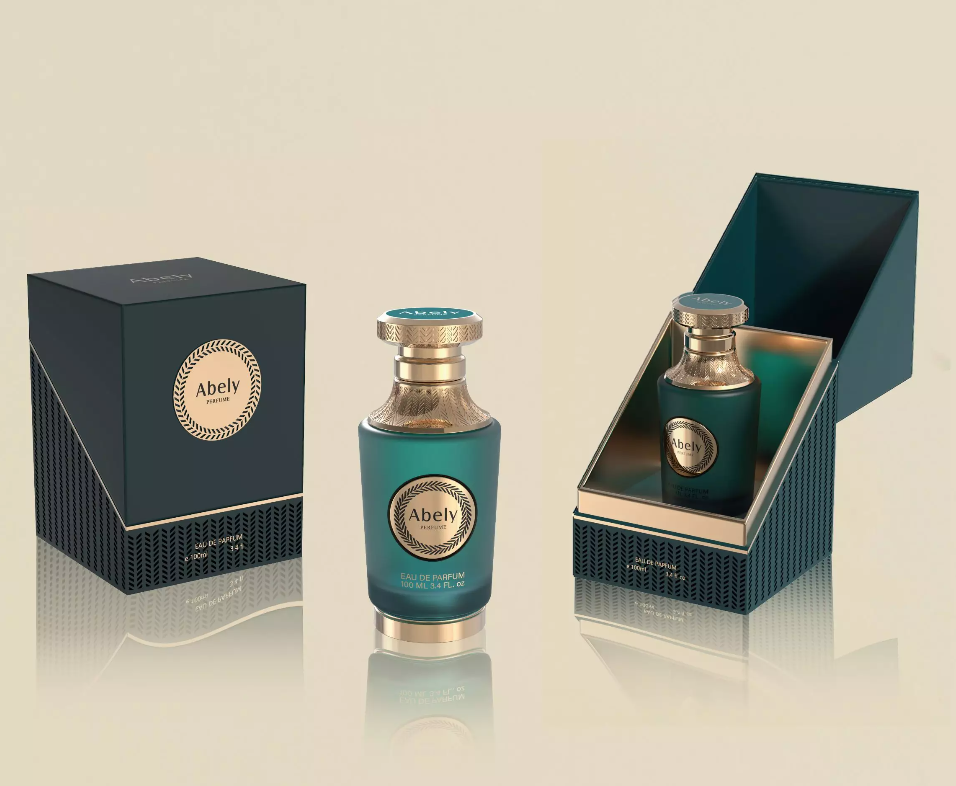
Put simply: Abely tends to lean into a balanced mix of customisation, quality control and cost efficiency. Competitors might undercut price but skimp on tolerances, closure fit or post-mould polishing — and that shows at retail. Compare along these axes:
– Fit & finish: Abely’s finishing tolerances reduce leakage and misalignment. – Custom options: bespoke caps, coloured cores and sandblasting are feasible at reasonable MOQ. – Sustainability: recycled glass blends and refillable-friendly necks are available if you ask. – Supply chain reliability: local warehousing options cut lead times for southern African launches.

Common mistakes brands make — and how to avoid them
Brands often choose bottles purely on aesthetics and forget performance. Typical errors include selecting a heavy decorative topper that stresses the collar, specifying difficult-to-produce neck finishes that spike costs, or overlooking transport resilience for export markets. Also — many forget to test the pump with the chosen viscosity of their concentrate; pretty bottle, useless sprayer. Do real-world drop and pump tests before committing to a full production run.
How to weigh design, cost and sustainability
Decision-making should be comparative, not binary. Consider three trade-offs:
– Design fidelity vs unit cost: intricate moulds look luxe but add to lead time and price. – Recycled content vs clarity: higher recycled glass lowers embodied carbon but can tint clarity. – Refillable program vs upfront tooling: refill systems need upfront buy-in but pay off in loyalty and lower per-use emissions.
Compare sample runs from at least two suppliers and score them on clarity, closure fit and transport durability — those scores will tell you more than glossy sample shots.
Advisory finale: three golden rules for choosing glass fragrance bottles
1) Fit-first metric: always validate closure and atomiser compatibility with live samples — a perfect aesthetic fails if the sprayer misaligns. 2) Durability metric: demand transport and drop-test results; quantify expected breakage rate under your distribution conditions. 3) Sustainability metric: require % post-consumer recycled content and a roadmap for refill or return options — these are increasingly buyer dealmakers.
When you balance these metrics, you’ll see where Abely genuinely adds value — consistent tolerances, refill-ready necks and flexible small-batch programs that suit boutique launches and larger rollouts alike. Abely ties the technical choices to real-world retail outcomes, saving time and preventing embarrassing missteps.
Trust the craft, measure the results — ja, it pays off. —
