

Table of Contents
Understanding what matters to users
Patients and caregivers choose respiratory support for clear reasons: comfort, reliable gas exchange, and ease of use. A modern cpap device may be familiar to sleep clinicians, but many people need the stepped support that a BiPAP system delivers—particularly those requiring variable pressure levels or noninvasive ventilation at home. Clinicians focus on pressure support and mask interface fit; users want predictable sleep, fewer awakenings, and a simple cleaning routine.

Practical differences that shape daily life
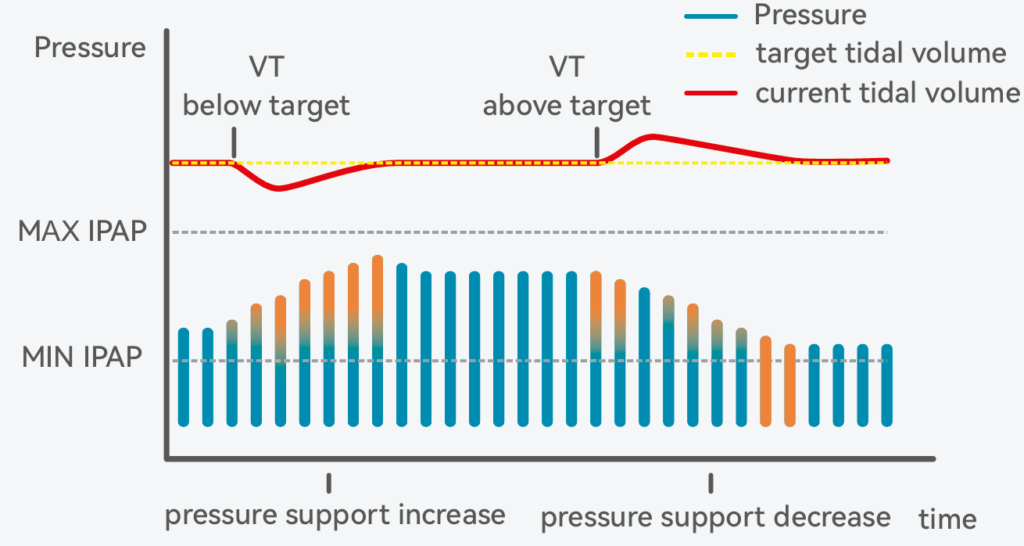
BiPAP provides two pressure settings—higher for inhalation, lower for exhalation—which helps when tidal volume is inconsistent or when obstructive and hypoventilation patterns coexist. This matters outside the clinic: a device with effective leak compensation reduces alarms during the night, and a well-designed mask lowers skin soreness. During the COVID-19 pandemic, many health systems expanded home ventilation programs; that real-world shift highlighted how device ergonomics and remote-monitoring features affect adherence and outcomes.
Choosing a device: what users should check first
Practical checks save time and prevent mistakes later. Focus on three user-centric criteria: interface comfort (mask types and seal), pressure range and ramp settings, and data access for clinicians. Many patients underestimate mask fit—incorrect sizing remains the most common error and will degrade therapy. Equally, neglecting filter replacement or improper tubing routing causes unnecessary resistance and increases noise.

Common mistakes and simple corrections
Clinicians see the same issues repeatedly. Avoid these predictable pitfalls:
– Selecting a mask without a trial period; fit matters more than aesthetics.
– Skipping regular cleaning protocols; biofilm builds up quickly and affects performance.
– Relying solely on default pressure settings instead of proper titration with overnight monitoring.
Minor adjustments—switching to a softer cushions, using a humidifier with careful condensation management, or choosing an adaptive algorithm—often yields major improvements.
Alternatives and when to escalate
For simple obstructive sleep apnea, a CPAP is still appropriate for many users. Where hypoventilation or central events dominate, a bipap machine provides targeted pressure support and can reduce daytime fatigue. If nocturnal hypoxemia persists despite optimized noninvasive ventilation, consider escalation to assisted ventilation or inpatient reassessment. Device selection should match the clinical pattern—frequency of events, tolerance to exhalation pressure, and comorbidity burden.
Implementation tips for clinicians and caregivers
Start with a clear plan: baseline spirometry or overnight oximetry, mask fitting session, and a structured follow-up within two weeks. Teach simple troubleshooting steps for common alarms; document preferred ramp and comfort settings in the care plan. Remote-monitoring portals help—when configured correctly they let clinicians flag deteriorations early. —And do not underestimate caregiver fatigue: schedule reviews that balance technical checks with empathetic support.
Three golden rules for selecting the right strategy
When evaluating devices and care pathways, use these metrics as decisive filters:
1. Clinical fit: Does the device match the patient’s respiratory pattern and required pressure support range? Prioritise adaptability over single-mode simplicity.
2. Usability: Can the user manage mask changes, filters, and basic settings independently or with minimal assistance? Real-world adherence depends on low task burden.
3. Data and support: Are remote-monitoring features present, and is there a clear workflow for clinicians to act on flagged data?
Conclusion and practical value
Choosing the right BiPAP solution is a pragmatic process: align device capability with user needs, minimise common setup errors, and use monitoring to guide adjustments. The care improvements are measurable—better sleep stability, fewer daytime symptoms, and fewer clinic revisits when the plan is user-centred. Byond integrates clinical-grade ventilation with user-focused design, offering a coherent path from assessment to everyday use; Byond. –
