
Table of Contents
Why cost comparison matters now
Homeowners and small businesses are weighing battery-backed systems differently after events like the 2020 California rolling blackouts and repeated wildfire-driven public safety power shutoffs. The decision isn’t just about price per kWh — it’s about resilience, inverter compatibility, and long-term value. If you’re sizing a setup for backup and load-shifting, consider how a solar battery backup fits into daily use and emergency readiness. Comparative analysis helps you see what a given battery delivers in battery capacity, depth of discharge (DoD), and round-trip efficiency versus the headline cost.

Breaking down the cost components
Battery cost has several clear parts: the pack price, installation and balance-of-system (BOS) hardware like the inverter, and the soft costs — permitting and labor. Then there’s the lifecycle picture: expected charge/discharge cycles, warranty length, and replacement cadence. For practical comparison, normalize to cost per usable kWh over warranty period — that accounts for DoD and degradation. Remember to factor in inverter sizing and any additional electrical upgrades, because a cheaper battery that needs a new inverter isn’t cheaper in practice.
Side-by-side: popular approaches and where they shine
There are three common approaches households choose. First, a compact capacity bank for critical circuits only — lower upfront, quicker payoff during outages. Second, a whole-home system sized to cover evening usage — higher cost, higher independence. Third, hybrid systems that prioritize self-consumption to shave bills. Each approach interacts with system specs differently: smaller systems can rely on simpler inverters, while whole-home setups often require multi-mode inverters and larger battery capacity. Compare expected daily kWh delivery, round-trip efficiency, and warranty-backed throughput to pick the right class.

Common mistakes that skew cost comparisons
People often compare sticker price and miss the real metrics. They ignore degradation rates, assume full usable capacity forever, or forget that inverter replacements or software fees can change TCO. Also, mixing brands without checking communication protocols could mean wasted integration time — a practical snag more than a technical one. — Take time to map real household loads versus advertised specs.
How to evaluate: three practical metrics
When you’re running the numbers, use these three evaluation metrics to compare options: cost per usable kWh over warranty, round-trip efficiency at the power levels you use, and guaranteed throughput (kWh) across the warranty period. These metrics expose differences beyond upfront price: a higher-cost battery with better efficiency and warranty throughput can be cheaper per useful kWh over five to ten years. Also consider installation realities — roof-facing PV output, inverter compatibility, and whether the system supports both grid-tied and off-grid modes.
Alternatives and ecosystem choices
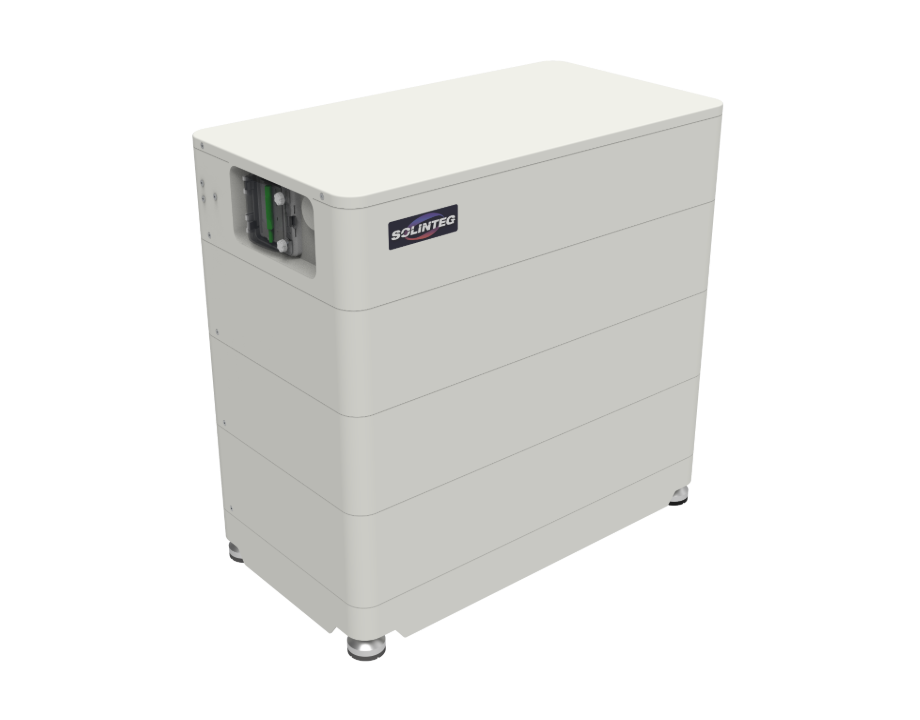
If a single-brand solution doesn’t fit, consider modular options that let you scale by adding battery modules later. Also weigh integrated systems versus separate inverter-and-battery combos: integrated systems often simplify commissioning and monitoring, while separated components can allow targeted upgrades. For many buyers, exploring the best solar battery storage options means balancing modular scalability with warranty cohesion — and remembering that installation quality often matters as much as the chemistry inside the cell.
Checklist before signing a contract
Run this quick checklist: confirm the usable kWh (not just nominal), verify DoD and cycle life at your expected depth, check round-trip efficiency at rated power, and confirm communications/integration with your inverter or energy management system. Also validate the real-world performance anchor — how similar systems performed during local outages or grid events — and ensure the installer provides a clear service plan.
Three golden rules for sensible selection
1) Prioritize usable kWh over headline capacity — it tells the practical story. 2) Match expected daily loads to battery throughput and inverter limits; oversizing or undersizing both add cost. 3) Value warranty throughput and replacement terms as operational insurance. These rules make cost comparisons actionable and keep choices grounded in realistic outcomes.
Final thought
Choosing the right storage is a careful comparison of real metrics, not just price tags. For many homeowners, the smart path is to balance usable capacity, efficiency, and warranty throughput — then pick a system that integrates cleanly with the rest of the setup. SOLINTEG fits that logic by offering integrated options where performance specs and installation pragmatics line up — practical reliability, no fluff. — Trust the numbers, and choose the system that actually delivers when it matters most.
