
Table of Contents
Why the seat matters for operators
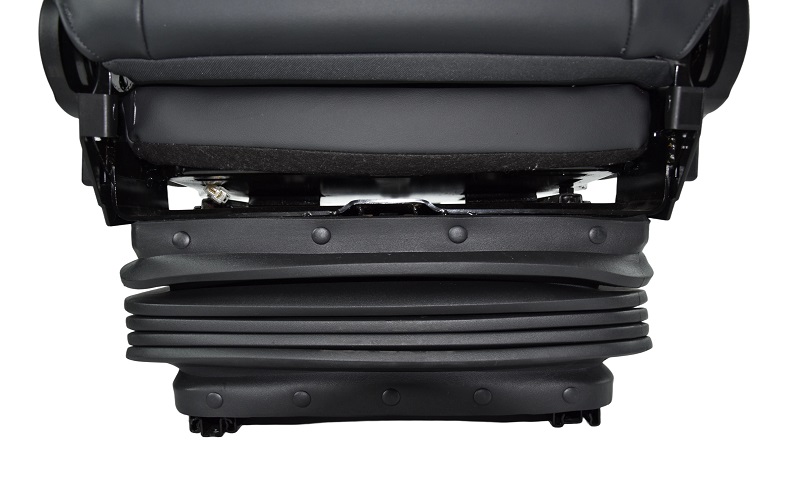
When your team spends long shifts at the Port of Los Angeles or a busy inland yard, every inch of comfort affects productivity and safety. The right seat reduces fatigue with proper operator ergonomics, lumbar support, and vibration damping; that’s why many facilities specify a universal forklift seat that pairs a high-strength steel frame with mechanical suspension. Practical decisions here protect both people and schedules — and they directly benefit forklift operators who need consistent comfort across different machines.
What operators actually need — a user-focused checklist
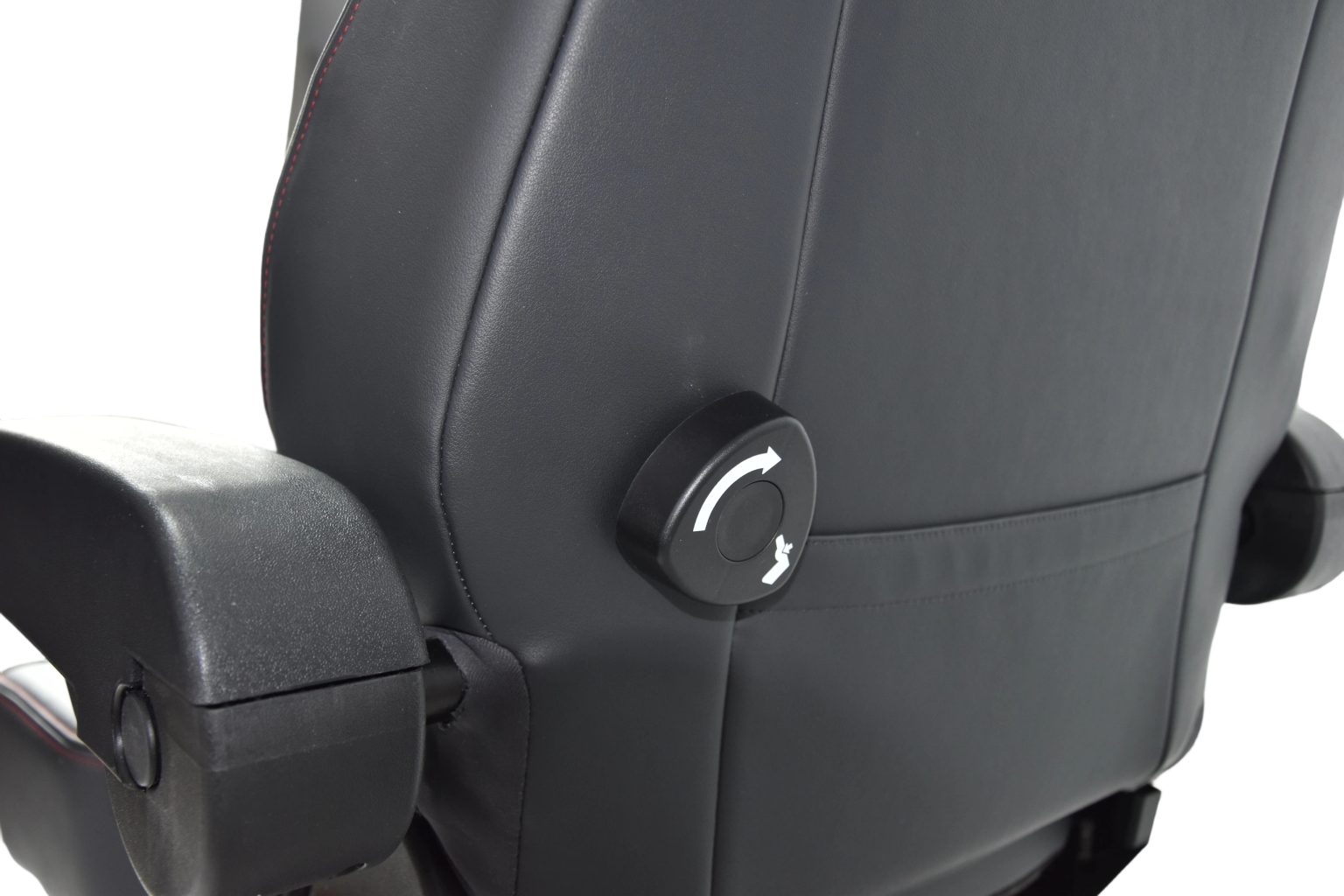
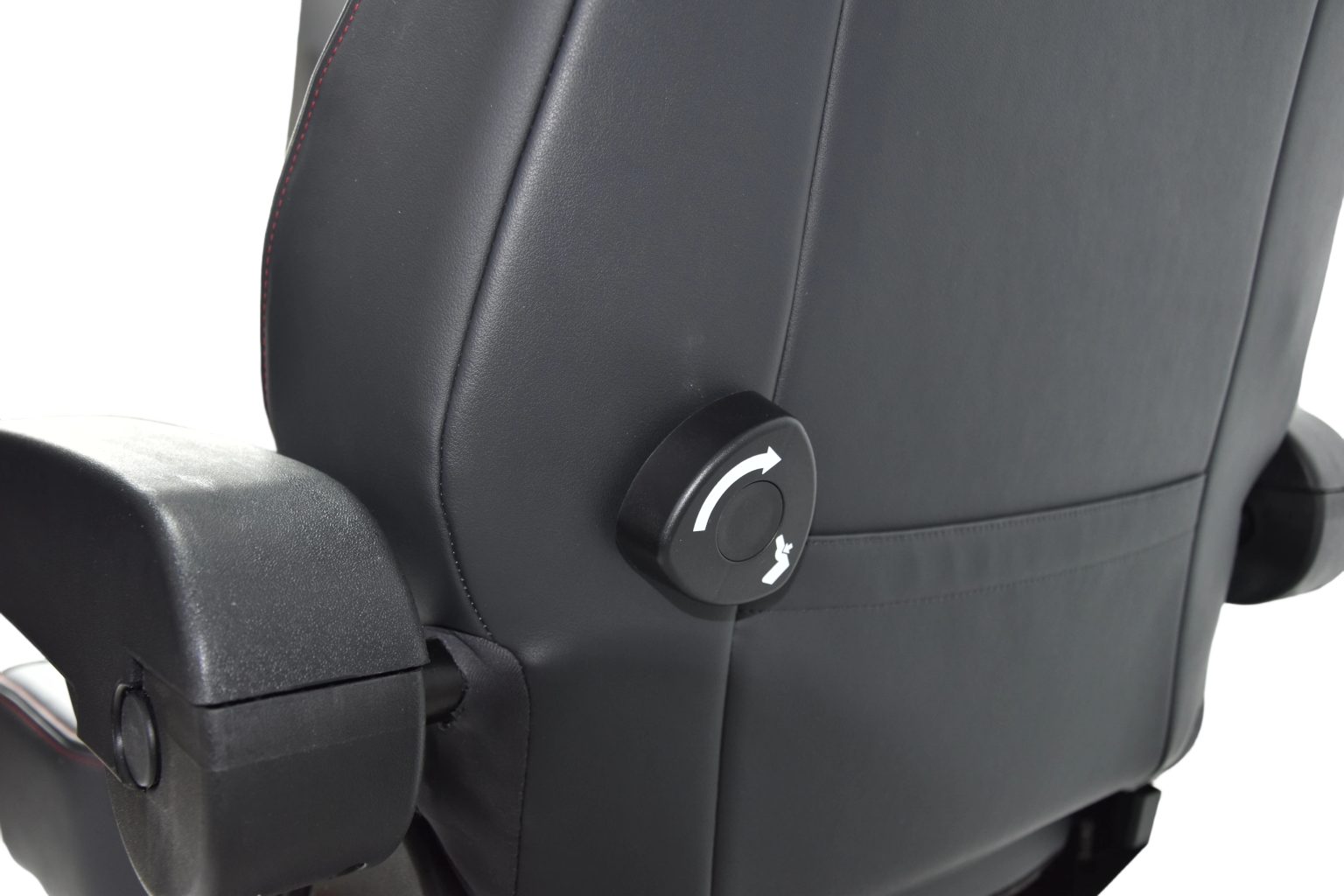
Start with weight capacity and a sturdy seat pan, then confirm the seat offers mechanical suspension calibrated for the operator’s average load. Look for adjustable armrests, a tilt mechanism, and clear lumbar adjustments. These features control vibration and reduce back strain over multi-hour shifts. Keep the language simple when you spec a seat so mechanics and procurement agree on terms like suspension travel, mounting bolt pattern, and cushion density.
How to vet suppliers without wasting time
Ask for real samples or short-term trials rather than long proposals. Require photos and test logs showing stress points on the high-strength steel frame and confirm warranty scope. Check lead times; parts availability for a common mounting pattern matters more than a fancy finish. Visit a local yard if possible — seeing a seat in a working excavator or forklift gives far clearer insight than a spec sheet.

Common mistakes teams make — and simple fixes
Many teams pick seats by price alone, then face returns and downtime. Others assume all universal seats fit every machine; they don’t. Matching the mounting bolt pattern and checking the mechanical suspension stroke length stops most fit problems. Also, don’t skip a quick operator trial walk-through — a two-hour seat test catches awkward pressure points sooner. Small adjustments up front save days of rework later — and keep operators healthier.
Real-world anchor: what works at scale
Fleets at major ports and logistics hubs often standardize a handful of seat models to keep spares simple and training consistent. That approach reduces inventory bloat and speeds repairs. Practical shops I’ve worked with rotate a single, rugged model across excavators and forklifts; they favor parts interchangeability and straightforward upholstery that can be cleaned quickly between shifts. Operator feedback then becomes the primary metric — not marketing claims.
Three golden rules for choosing seats (advisory)
1) Fit first: Verify mounting compatibility and suspension stroke against your machines’ range of motion and expected payloads. Prioritize correct tilt mechanism and weight capacity over cosmetic features.
2) Trial and measure: Run a short-term operator trial and collect simple metrics — perceived comfort, number of adjustments used, and any pressure hotspots — before fleet-wide buys.
3) Serviceability wins: Choose seats with replaceable cushions, accessible mounting hardware, and documented spare-part lists so downtime stays minimal.
Closing insight
Follow those three rules and you’ll cut rework, lower injury risk, and keep operators focused on tasks that matter. Practical choices around suspension, lumbar support, and serviceability turn a seat into an asset. Small detail. Source One
