
Table of Contents
Introduction — a short site tale
I once stood beside a humming line at dawn, watching rolls unspool and a tired operator swap a jammed feeder—felt like déjà vu. The wet wipes making machine was the heart of that line, and it ran six days a week, 10 hours a day. Production logs showed 12% downtime from stoppages last quarter (that hurt the margin). So I asked myself: are we fixing symptoms or choosing the right machine to begin with?
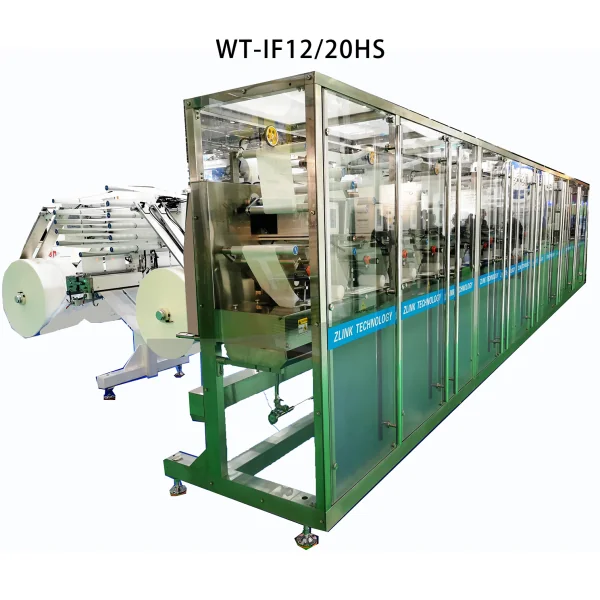
I say this as someone who’s been elbow-deep in roll changes and electrical boxes: small choices add up fast. The numbers matter—throughput, yield loss, maintenance hours. But numbers alone don’t tell you why a servo motor or a poor feeding system keeps eating your uptime. Stick with me—I’ll lay out what actually goes wrong, and what to look for next.
Where traditional solutions fail: the tougher layer
wet wipes making machine manufacturer listings tout specs, but I’ve learned that spec sheets hide the real pain. Many lines lean on cheap PLC packages and mismatched power converters; they cope for months and then hit a limit. Failure modes I see most: misaligned feeding systems, weak drive torque from undersized servo motors, and flimsy perforation dies that need constant retuning. These are not one-off problems. They compound into frequent stops and frustrated crews.

Why do these problems persist?
Technically, the root is integration. A strong air knife or a robust edge detector matters only if the control logic and the power architecture play along. Look, it’s simpler than you think: if the encoder drifts, the cutter misfires; if the power converter sags, the servo motor loses torque. I’ve seen lines with top-brand components fail because the feeding system timing was off by a hair. — funny how that works, right?
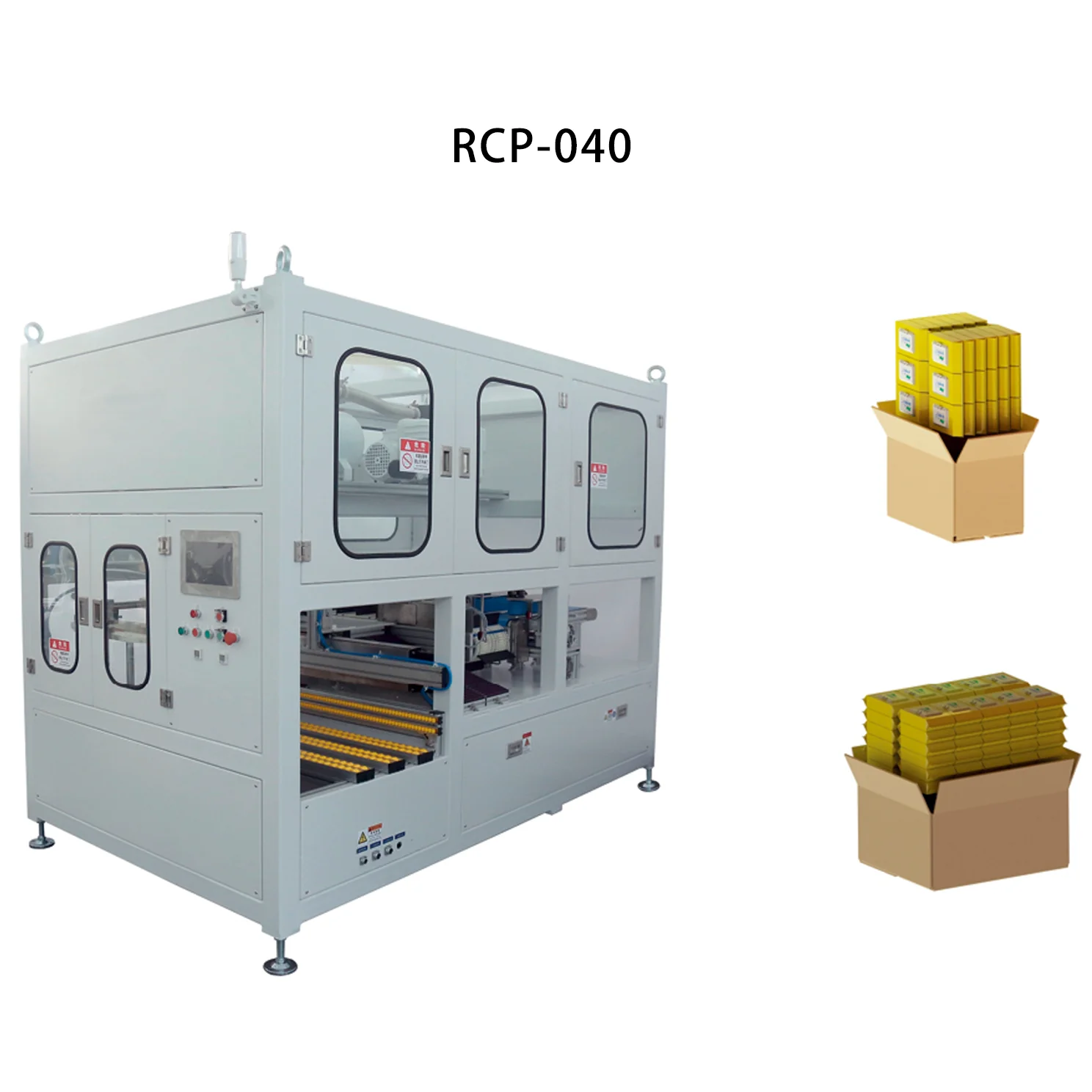
We tend to blame parts, but I blame the mismatch between machine design and real factory rhythm. Designers assume steady conditions; real plants have variable humidity, operator shifts, and raw roll variance. Those factors demand smarter sensing, better PLC tuning, and occasional human-friendly overrides. If you want fewer surprise shutdowns, you have to ask for systems that account for those messy realities—not just higher top speed on paper.
Future outlook: practical tech and real choices
What comes next is not magic. I focus on two paths: smarter sensors and tighter machine-to-machine coordination. New controls use edge computing nodes to process sensor bursts at the line, trimming latency. That means the cutter and feed system react faster to a wobble, and you lose fewer wipes to misfeeds. When I evaluate upgrades, I look for modular servo drives, scalable PLC racks, and clear service access—components that reduce mean time to repair, not just boost theoretical speed.
What’s next — realistic steps?
I’ve run pilot retrofits where a simple encoder upgrade and a better feed roller reduced scrap by 18% in three weeks. That said, it’s not one-size-fits-all. You still need to talk to a trusted wet wipes making machine manufacturer about line rhythm and staffing. I’ll be blunt: a fancy HMI won’t save you if the pneumatic lines leak or the perforation die is set wrong. — and yes, human training matters as much as hardware.
To wrap up with something you can act on, here are three metrics I use when comparing solutions: uptime percentage under real shifts, mean time to repair for common faults, and scrap rate tied to feed/cut alignment. Evaluate those, not just speed claims. If you want a straightforward partner who knows the tradeoffs, consider a brand that matches machines to your shop floor realities. I’ve worked with teams who prefer hands-on service and honest answers—no smoke. For practical support, I point people to trusted builders like ZLINK.
