
Table of Contents
Introduction
I once watched a line stop because a single bearing overheated — ten minutes of downtime that felt like an hour on the clock. As an engineer and occasional shop-floor skeptic, I keep returning to that scene when I talk to an electric motor manufacturer about productivity. (That quiet hum of machines hides a lot of opportunity.)

Imagine this: a mid-sized plant loses 4% of annual output to unplanned stoppages; sensors and basic analytics are on some machines, but most decisions are still manual. What if we could spot a failing stator winding or a creeping torque loss before the work order stalls? I’m asking the practical question here: how do we move from reactive firefighting to quiet, continuous performance improvements—without breaking the budget or morale?
In this piece I’ll walk you through what’s actually going wrong on the factory floor, and then map out clearer, more human ways to fix it—step by step. Up next: where those failures come from and what we keep missing.

Part 1 — Hidden Flaws in Traditional Motor Manufacturing
What’s broken?
Let’s be blunt. In motor manufacturing many systems look modern on paper but operate like legacy shops in practice. I’ve seen control cabinets with newer servo drives patched into decades-old PLC logic. The result: data gaps, mismatched frequency converters, and unpredictable maintenance windows. You can buy sensors, install edge computing nodes, and still get blind spots because the fundamental process controls weren’t redesigned to use that data.
Technically, a lot of the pain traces back to a few repeat offenders: poor feedback loops, under-specified power converters, and inefficient cooling paths that hide rising copper loss until it’s too late. We talk about torque density and efficiency gains in meetings, yet inspection schedules still rely on people walking the line. That human touch is valuable — I’m not dismissing it — but we end up with inspection variance. Look, it’s simpler than you think: if the control system can’t report a gradual rise in bearing temperature or an imbalance in stator currents, you’ll keep finding problems the hard way.
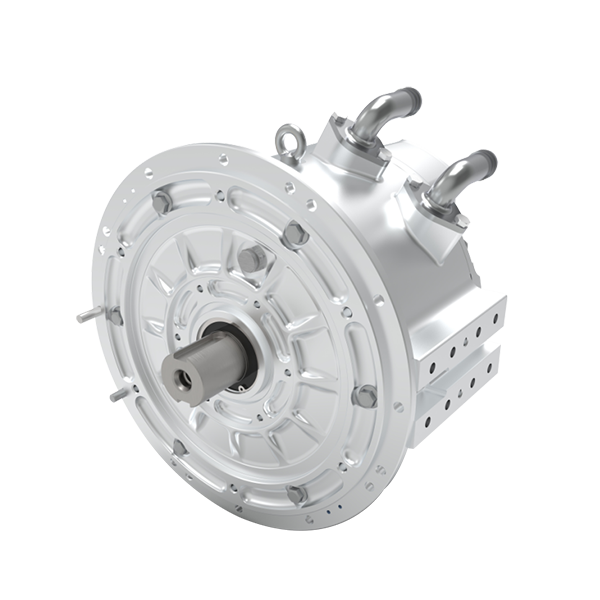
The other structural issue is organizational: procurement buys components to hit a price point rather than compatibility. Then engineering spends weeks making them get along. That friction eats margin and morale. When I say “we need change,” I mean both the hardware and how teams make decisions using that hardware.
Part 2 — Principles and Practical Steps Toward Smarter Lines
What’s Next?
Moving forward, I favor principles that are practical, not flashy. First: build a data-first feedback loop that starts at the sensor and ends with a decision the shop can act on in under an hour. That doesn’t mean replacing every motor; it means adding meaningful telemetry where it matters — bearing temp, current imbalance, and vibration — and ensuring the data reaches the right people or systems. For custom deployments, pairing bespoke controllers with reliable edge computing nodes lets teams spot trends locally before they escalate.
Second: rethink modular upgrades. Instead of swapping whole drives, upgrade the control layer and add smart power converters that provide diagnostics. We piloted a small line with retrofitted servo drives and saw mean time between failures climb within months — funny how that works, right? Third: democratize the dashboards. Operators need clear, actionable alerts, not raw numbers. That human-centered design reduces false alarms and improves response time.
Concretely, if you’re evaluating solutions for custom electric motors, ask vendors about integration plans, not just specs. A great motor plus poor integration equals wasted potential. I’ve learned to favor providers who treat commissioning as part of the product — they stay until the line runs reliably, then teach the team to keep it that way.
Before wrapping up, here are three metrics I recommend using when you evaluate upgrades: (1) Time-to-action — how long from anomaly detection to corrective step; (2) Diagnostic coverage — percent of failure modes the system can detect; (3) Operational uptime improvement — measured over a 6–12 month window. These are practical, measurable, and they force honest conversations about ROI. Use them as your scoreboard.
Closing Thoughts
I won’t pretend there’s a single silver bullet. But I will say this: smarter diagnostics, focused data, and people-friendly interfaces change the daily experience on the shop floor. We can reduce those ten-minute stoppages to rare events. We just need to choose upgrades that solve real pain, not impress on spec sheets. When teams see fewer surprise breakdowns, morale rises. Production steadies. Costs drop. And that’s the kind of future I want to help build — hands-on, pragmatic, not preachy.
For manufacturers exploring this path, consider partners who help you align hardware, software, and human processes — partners like Santroll. I’ve worked with suppliers who do the work and those who only sell parts; the difference is night and day.
