
Table of Contents
Introduction
I remember the first time I watched a busy bench of technicians trying to juggle samples, racks, and schedules — it felt like a choreography that could fall apart any moment. In many labs today, an automated nucleic acid extraction workstation sits at the center of that choreography, promising speed and consistency. Recent surveys show that labs using automation can cut hands-on time by up to 60% and reduce cross-contamination events substantially (small wins that matter). So, how do we move from hope to reliable routines that people actually trust?
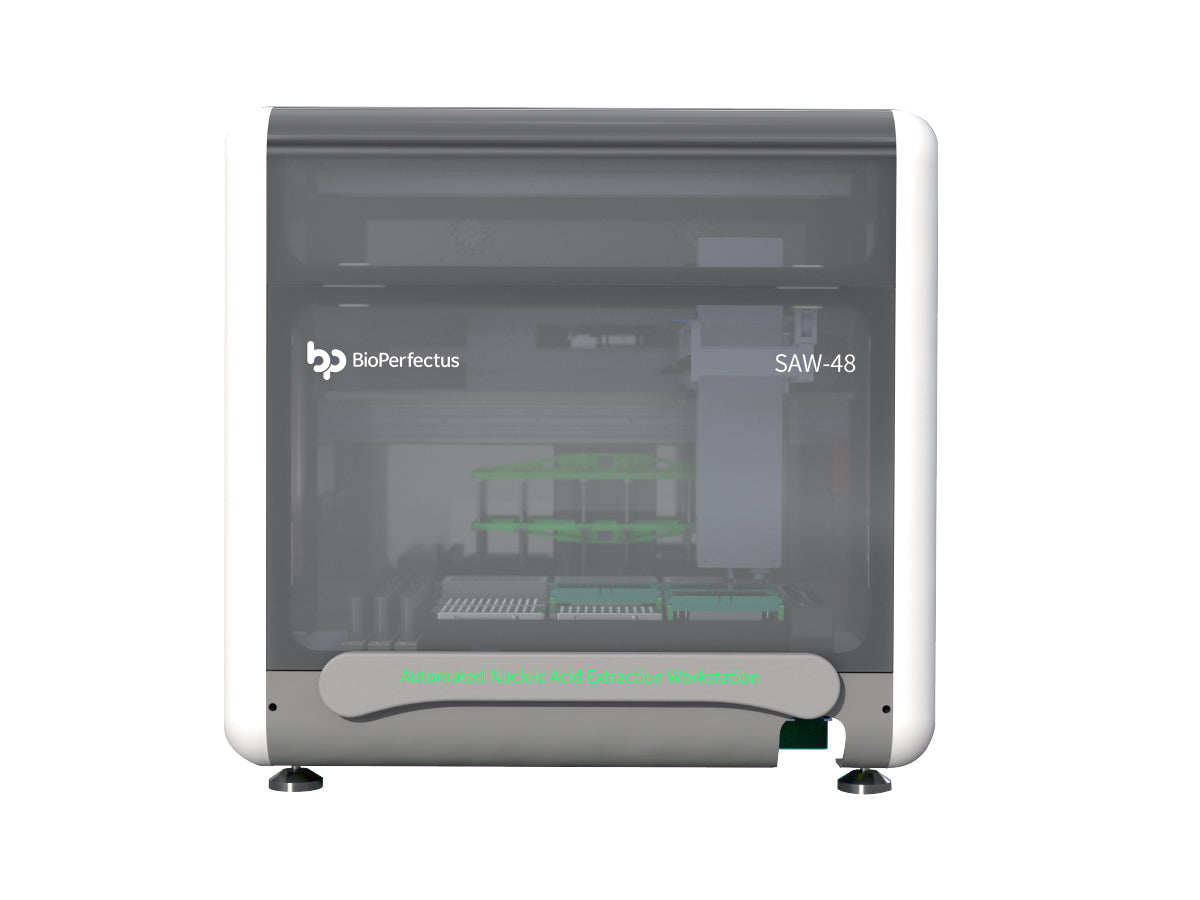
As someone who has coordinated teams and written SOPs, I know the push and pull: managers want throughput, techs want clarity, and patients ultimately want dependable results. This article walks through the practical side of that transition — the frustrations, the trade-offs, and the signs of real improvement — then points to how you can evaluate systems without getting lost in specs. Let’s unpack the details and move to what typically blocks progress next.
Part 2 — Hidden User Pain Points
nucleic acid extraction workstation deployments often look perfect on paper: high throughput, consistent yields, and automated logging. But in practice, I’ve seen several small issues erode trust fast — and they’re not always the vendor’s fault. For example, techs struggle when sample trays don’t match legacy racks, or when a minor change in lysis buffer viscosity makes the pipetting routine fail. Add PCR inhibitors and inconsistent sample quality, and suddenly the system’s neat metrics don’t translate into reliable results.

What trips users up?
Look, it’s simpler than you think — the main pain points are workflow friction and poor communication. Staff training often assumes everyone thinks the same way about error messages, but they don’t. Error codes that read well to engineers look cryptic to bench scientists. I’ve also watched SOPs become outdated within weeks of a software update (— funny how that works, right?). From my view, two or three small mismatches snowball: incompatible consumables, ambiguous error logs, and unaligned sample prep steps. Those are the subtle problems that beat up throughput and morale.
Technically speaking, terms like magnetic beads, robotic arm, and automation protocol are key to understanding where failures occur. A drop in magnetic bead binding efficiency, for instance, can look like a system fault when it’s really a change in sample chemistry. We need to read metrics alongside human feedback — not instead of it.
Part 3 — Future Outlook: Adoption, Adaptation, and What to Measure
Moving forward, I expect labs to adopt hybrid approaches: partial automation for high-volume steps and manual checks where nuance matters. When a nucleic acid extraction workstation is paired with clear human checkpoints, results improve faster than when teams try to “set and forget.” Case studies already show that pairing automated extraction with a brief manual quality gate reduces retests by a meaningful percentage — and it keeps staff engaged rather than sidelined.
What’s next? For me, the focus is on better human–machine collaboration: clearer UI language, swap-friendly consumable designs, and training that uses real sample variability. Semi-formal changes like standardized rack formats and straightforward troubleshooting guides make a big difference. Also — keep an eye on throughput metrics, but don’t let them bury the basics: sample integrity and contamination controls.
Three practical metrics I use
I recommend evaluating systems with three metrics that actually predict day-to-day success: 1) Effective Hands-On Time (how much time staff truly spend per batch), 2) Failure Mode Frequency (how often runs need intervention), and 3) Post-Extraction Yield Consistency (variance in nucleic acid concentration across replicates). These tell you more than peak throughput numbers or glossy cycle times.
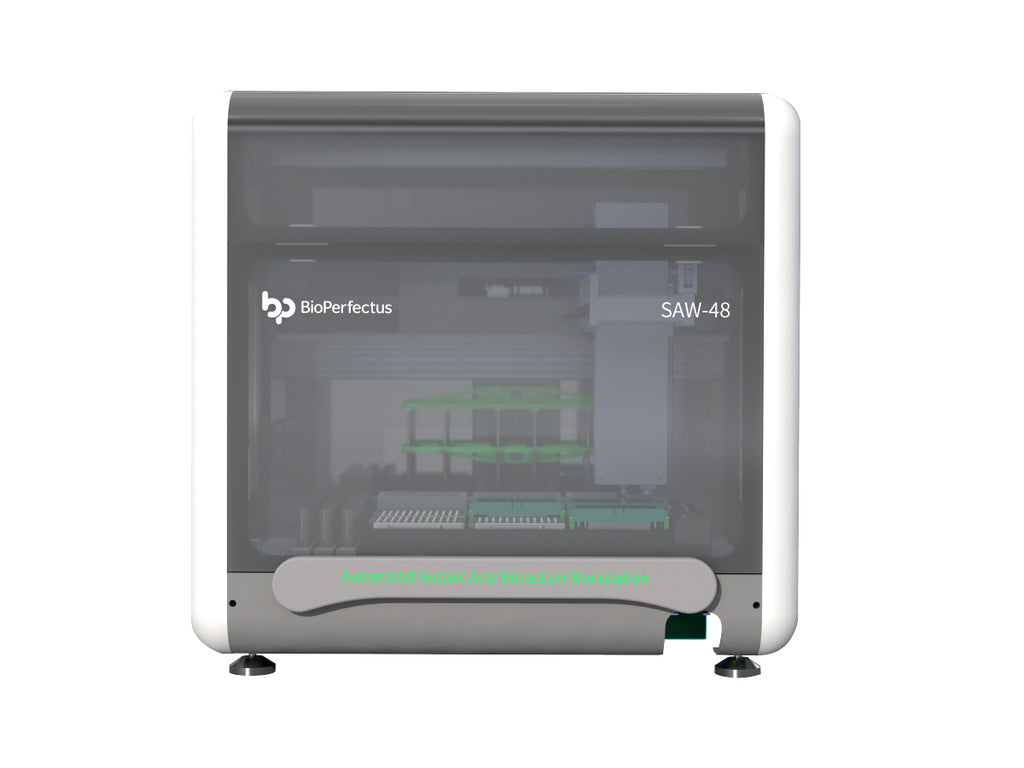
We’ve talked about frustrations and fixes, and I’ll end with a small, honest note: adoption takes patience, but it pays off when teams feel ownership of the process. If you’re choosing a system, test with your own specimens, train your staff with real errors, and measure what matters. For practical options and more resources, I often point colleagues toward vendors who blend robust engineering with on-site support — like BPLabLine.
