
Table of Contents
The problem: unpredictable supply for growing brands
Brands scaling from sample to shelf face three linked problems: inconsistent quality across batches, unclear lead times, and minimum order quantities that block flexibility. Designers expect rapid prototyping and tight color matches; procurement teams want predictable delivery and compliant materials. For many teams the solution starts with a reliable custom bag manufacturer capable of small runs and clear sampling processes—this is why sourcing partners that publish test protocols and sample schedules gain traction early.
Where failures occur
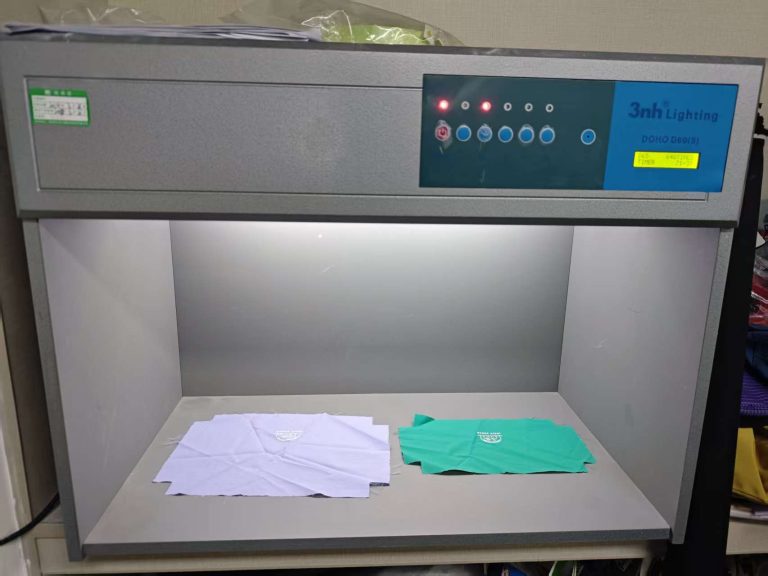
Most breakdowns happen at specification handoff and quality control. Specifications written only in general terms leave dye lots, strap strength, and zipper performance open to interpretation. Sample approvals without standardized test results lead to costly reworks after production. Longer lead times exposed by poor scheduling create stockouts or forced air freight. Each failure point multiplies cost and erodes brand trust.
Trade-offs and practical alternatives
Domestic prototyping buys speed but often costs more per unit. Centralized overseas production reduces unit cost but raises MOQ and logistics complexity. Hybrid approaches work: do initial R&D locally, then scale with a contracted overseas line for runs that exceed a defined volume. Some brands use local workshops for small capsule collections and move core SKUs to an external factory once volumes hit a threshold. These approaches reduce risk when specifications are strict and volumes uncertain.


Evidence and sourcing: what to verify
Verification matters. Independent lab testing for material toxicity and strap tensile strength should be documented. Audits and third‑party inspections catch recurring defects before full production. Regional manufacturing hubs such as Shenzhen and the Pearl River Delta are longstanding centers for bag and accessory production; their ecosystem supports tooling, trim suppliers, and transport logistics. Working with an established chinese bag supplier often means clearer local coordination with these service tiers, which shows up in faster pre-production turnaround and standardized inspection reports.
Practical steps procurement teams should follow
Start with a checklist: exact material codes, stitch count per inch, zipper model, strap hardware spec, acceptable color tolerance, and required lab tests. Require a pilot run limited to a defined defect rate and set rework terms. Lock lead times into contracts with penalties for major deviations and include inspection milestones. Consolidate SKUs where possible to reduce complexity. Finally, schedule a timeline that factors in one full sample iteration plus testing and corrective action time.
Summary
Solving unpredictability requires concrete controls at specification, sampling, and inspection stages. A manufacturing partner that documents tests, offers transparent sample timelines, and coordinates with regional suppliers reduces those risks; an example of that approach can be seen with ChangRong, which aligns production steps with documented quality checks so brands can convert prototypes into reliable production runs without repeated surprises.
