
Table of Contents
Start Strong: The Real Moment Your Site Needs 120 kW
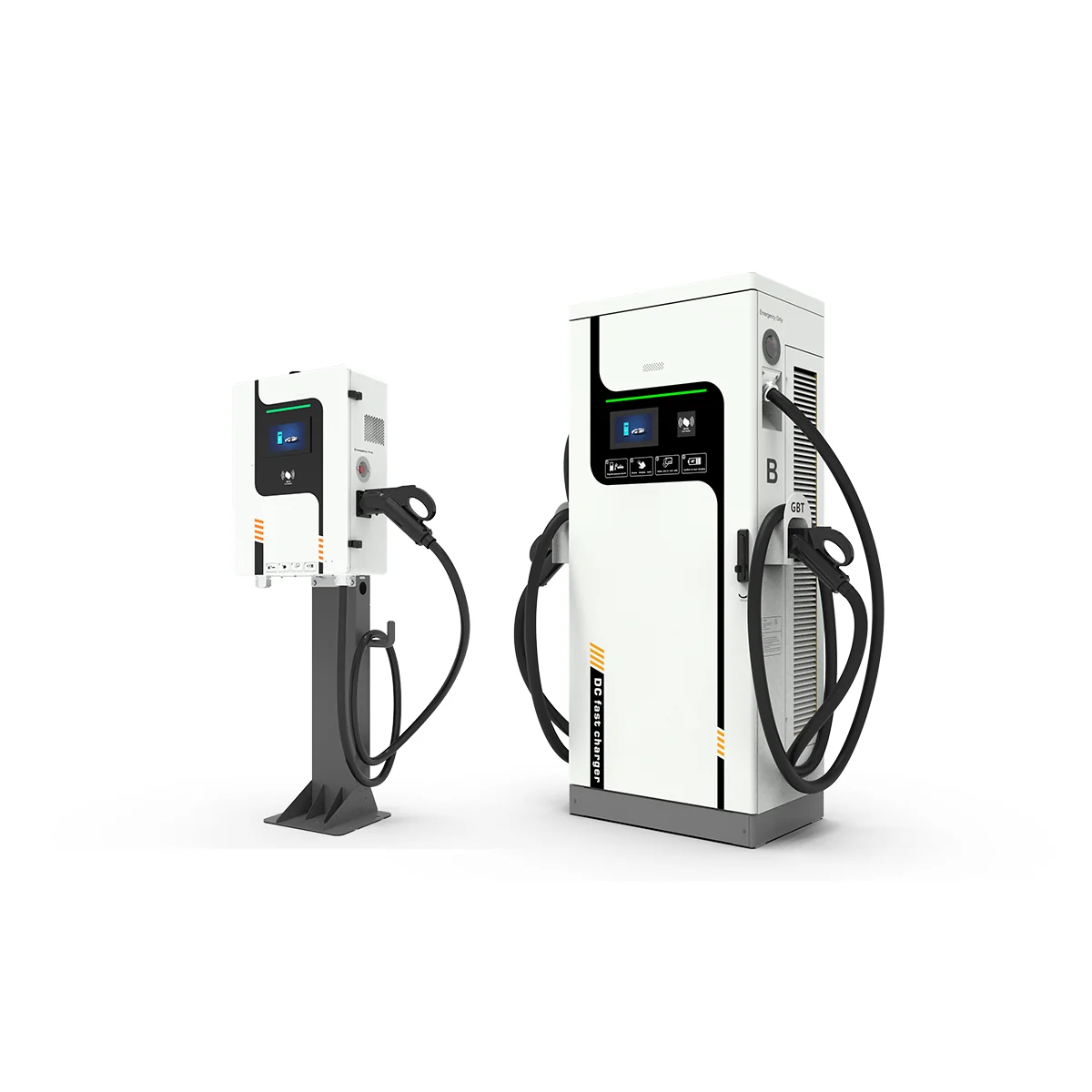
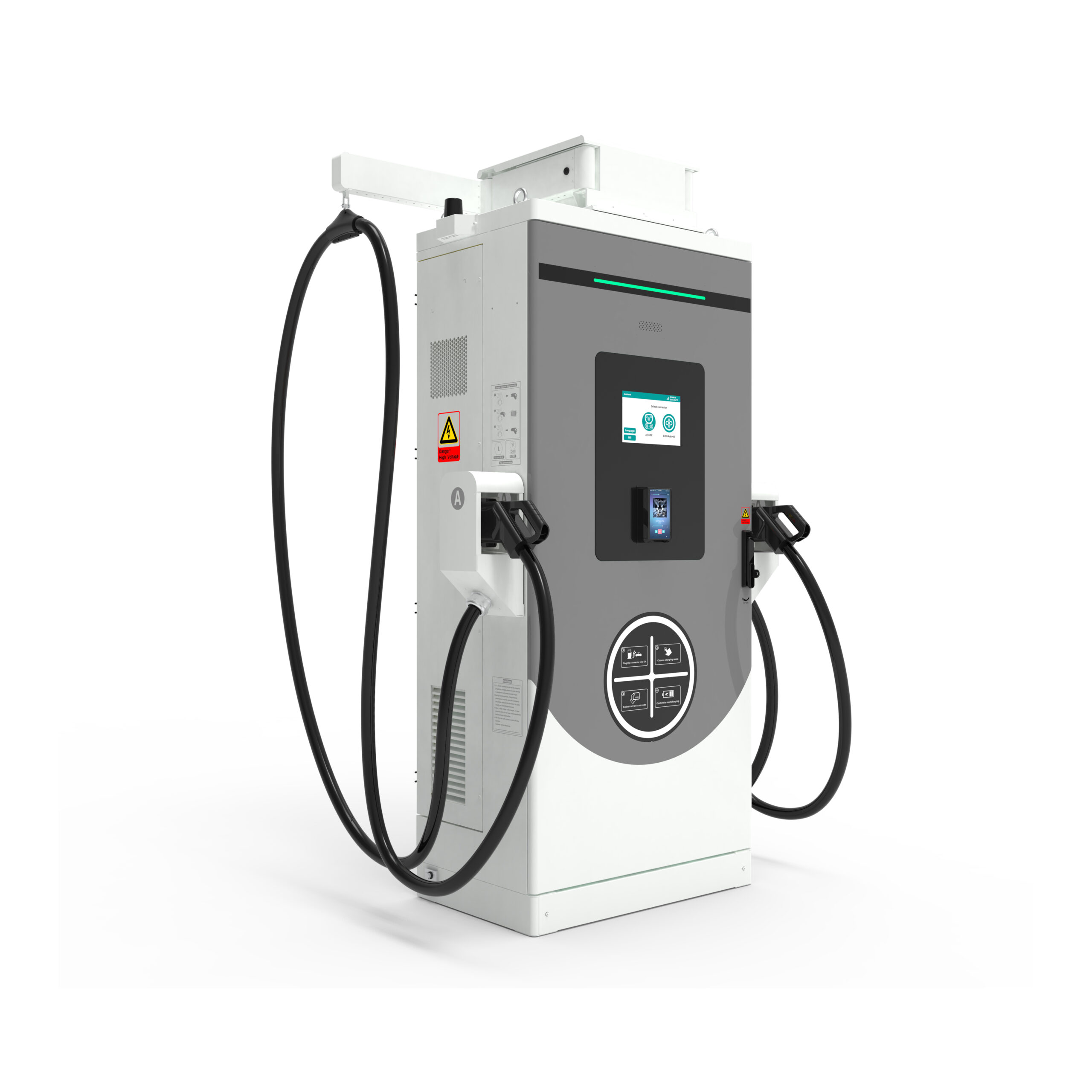
A line of vans rolls in before sunrise, drivers watching the clock, managers watching costs. A 120kw EV charger can turn a tense changeover into a smooth launch. Your utilization spikes, your grid meter blips, and your guests or drivers want speed, not friction. If you’re weighing a mid-tier upgrade, the choice to deploy a 120kw DC charger 40 is more than power—it’s about uptime, throughput, and trust (the kind you earn day by day). Recent fleet data shows peak-hour charging demand can triple within 15 minutes, while public sites see session stacking right after lunch. That load swing stresses power converters and tests your OCPP monitoring, fast.
So ask yourself: Are you designing for today’s peak or tomorrow’s norm? The answer changes where you invest—thermal management, smart load shifting, and modularity. One more thing: consider how dwell time, not just kW, drives site flow. Shorter sessions reduce queue anxiety and protect your reputation—funny how that works, right? The goal is not only to charge faster. It’s to charge smarter with less friction and fewer surprises. Let’s break down how users really experience 120 kW, and what that means for your next move.
The Hidden Frictions Users Feel at 120 kW
What’s breaking the flow?
Let’s go technical and practical. The core promise of a 120 kW system is fast, reliable turnaround. Yet the subtle delays stack up. Cable management that fights the user. A CCS2 connector that feels loose after heavy use. Slow PLC handshakes that add 20–30 seconds before power flows. Or load balancing that throttles output when a second stall goes live. With a 120 kW platform like the 120kw DC charger 40, the headline rating matters, but consistency is gold. Look, it’s simpler than you think: eliminate micro-frictions, and you cut perceived wait time. Add edge computing nodes for faster fault diagnostics. Reduce harmonic distortion so upstream switchgear stays calm. The user doesn’t see those parts—but they feel the difference.

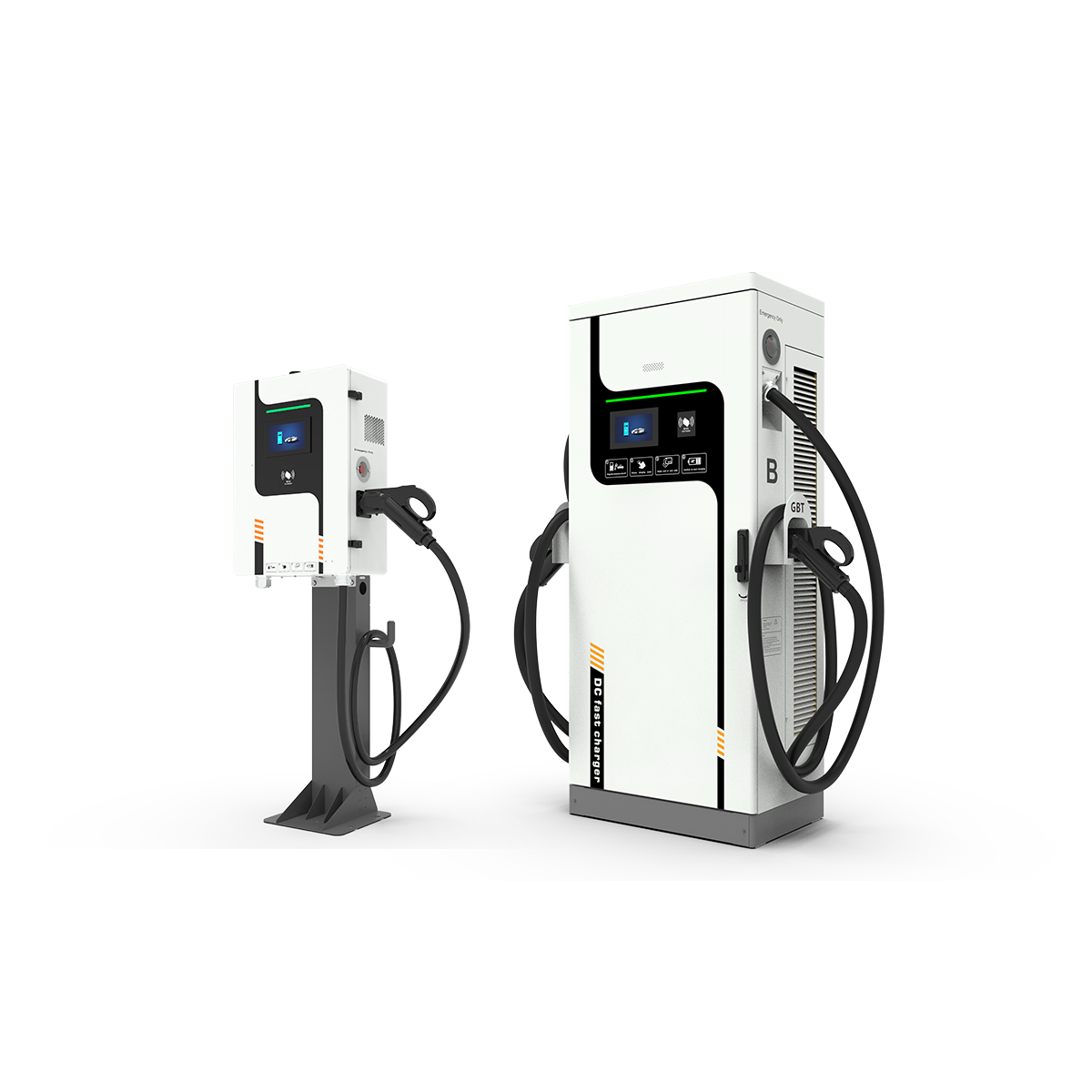
Thermal limits can also drag real-world speed. Rectifier modules derate when ambient temps spike, and fans ramp up late. That’s lost minutes. Firmware queues stall because back-end OCPP traffic is chatty. Another hit. If your cabling is too stiff in cold weather, docks get messy and drivers rush the plug—yes, that causes connector wear. Each small issue shaves confidence. And confidence is what keeps drivers from skipping your site next time—funny how that works, right? The fix is design plus discipline: tighter thermal management, smarter session orchestration, and a UI that answers questions before they’re asked.
Comparative Moves: From 120 kW Today to Smarter Capacity Tomorrow
What’s Next
Forward-looking sites use new technology principles to keep options open. Start with modular rectifier stacks and SiC power devices for cooler, denser power stages. Add proactive load shaping to smooth peaks across stalls. Then design for dynamic setpoints, not static labels. A 120 kW lane that can flex to 100 or 130 for short bursts (based on transformer capacity and demand response signals) will clear queues faster than a rigid spec. When you need to step up, the path to the 150kw DC fast charger 140 becomes a board swap and firmware profile, not a rebuild. That’s where smart switchgear, solid metering accuracy, and robust FOTA workflows earn their keep. Compare two sites with the same kW: the one that predicts, schedules, and adapts wins more sessions in less time—and yes, it shows.
Summing it up without repeating ourselves: remove micro-frictions, protect consistent output, and design for flexible ceilings. Evaluate vendors not just by peak power, but by how they manage heat, share load, and recover from faults. For a practical close, use three metrics. Advisory: 1) Throughput per hour at 70% state-of-charge arrivals, measured with two simultaneous sessions and logged by OCPP. 2) Sustained kW at 35°C ambient without derating over 20 minutes, including thermal recovery time. 3) Mean time to recover from a failed handshake, from error flag to restored charge. Nail those, and you future-proof your lane, whether you settle on 120 today or scale toward 150 tomorrow. For a grounded, expandable path, see the ecosystem at winline EV charger.
