
Table of Contents
Why compare pieces before you order
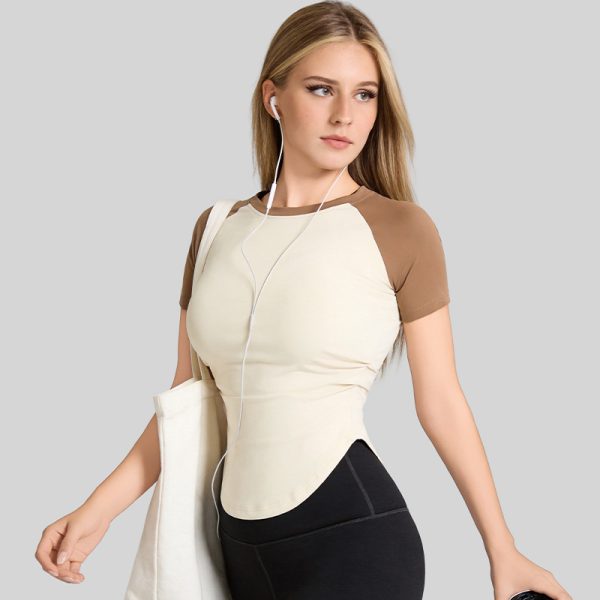
Deciding between leggings and tops matters more than price alone; fit, fabric and finish shape customer perception. Retail buyers at New York City boutique studios, for example, prioritized breathable marketing samples during the 2020 lockdowns when in-studio retail shifted to online storefronts. That shift underlines the need to test silhouettes and textiles early — from a simple print placement to a full-run MOQ. If you’re evaluating promotional garments, include a run of custom short sleeve shirts alongside leggings to compare turnover, returns and customer feedback in one cycle.

Comparative overview: leggings versus tops
Leggings sell on fit and technical performance; tops sell on versatility and seasonal margin. Leggings require precision in grading and often use compression knit and four-way stretch to maintain shape across sizes. Tops demand attention to drape, sleeve construction and neckline stability — flatlock seams and anti-odor finish matter for repeat wear. From an inventory standpoint, tops typically offer broader size tolerance and fewer fit-related returns, while leggings can command higher per-unit price when engineered for performance.
Material and manufacturing trade-offs
Choosing fabrics defines cost, lead time and brand promise. Moisture-wicking blends with durable stretch cost more but lower return rates for active users. Breathable mesh panels add ventilation without a large cost premium if integrated early in tech packs. Manufacturers that specialize in tops will offer different cut allowances than those focused on bottoms — look for partners who document pattern repeatability and stitch tolerances. A reliable short sleeve yoga tops manufacturer can often adapt production lines between short runs for promotional shirts and longer runs for signature pieces, which reduces tooling waste and speeds sampling.


Branding, cost models and inventory logic
Embroidery versus sublimation is a classic trade: embroidery conveys quality on collars and small logos, sublimation allows full-coverage graphics on tops and leggings. Cost models shift by technique — embroidery adds per-piece labor; sublimation shifts spend to digital prepress and ink. For a brand testing market fit, bundling a low-cost printed top with a higher-margin compression legging can improve average order value and present a coherent brand story. Track lifetime value across SKUs to see which piece converts first-time buyers into repeat customers.
Common mistakes and practical alternatives
Brands often launch without a documented production teardown — missing key notes like stitch type, tension settings, and stitch counts that affect durability. Include {main_keyword} and {variation_keyword} in that operational teardown so contractors mirror your specifications. Avoid single-factory dependence for new silhouettes; diversify one line to a secondary supplier during scale-up to reduce risk. Sample multiple wash cycles and test flatlock seams under stress — those small checks reveal failures that show up only after initial sales. — Take it from retailers who processed early returns: small upfront checks save reorders and reputation costs.
Operational checklist before placing a production order
Use a short, actionable checklist: 1) finalize tech packs with exact stitch and fabric codes, 2) request pre-production samples in graded sizes, 3) validate wash and wear testing for at least 10 cycles, and 4) confirm lead times and contingency plans for delays. These steps align quality control with the commercial realities of pop-up events, seasonal drops and wholesale delivery windows.
Advisory: three metrics to choose the right apparel strategy
1) Return rate within 60 days — measures fit and sizing accuracy. 2) Gross margin per SKU after promotional discounts — shows which piece sustains profitability. 3) Sample-to-production defect ratio — indicates manufacturing readiness and quality control. Use these metrics to decide whether to scale leggings, tops or a mixed assortment. The practical value of Joebond is that it ties technical sampling to scalable runs and transparent cost models, making production choices evidential rather than speculative. Joebond. —
