
Table of Contents
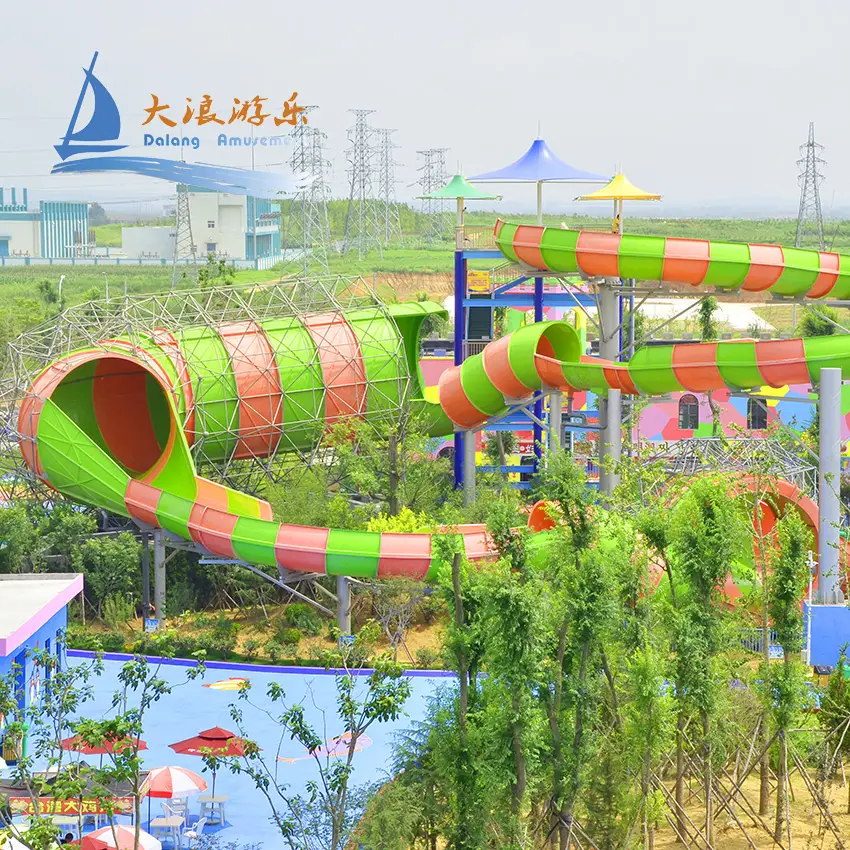
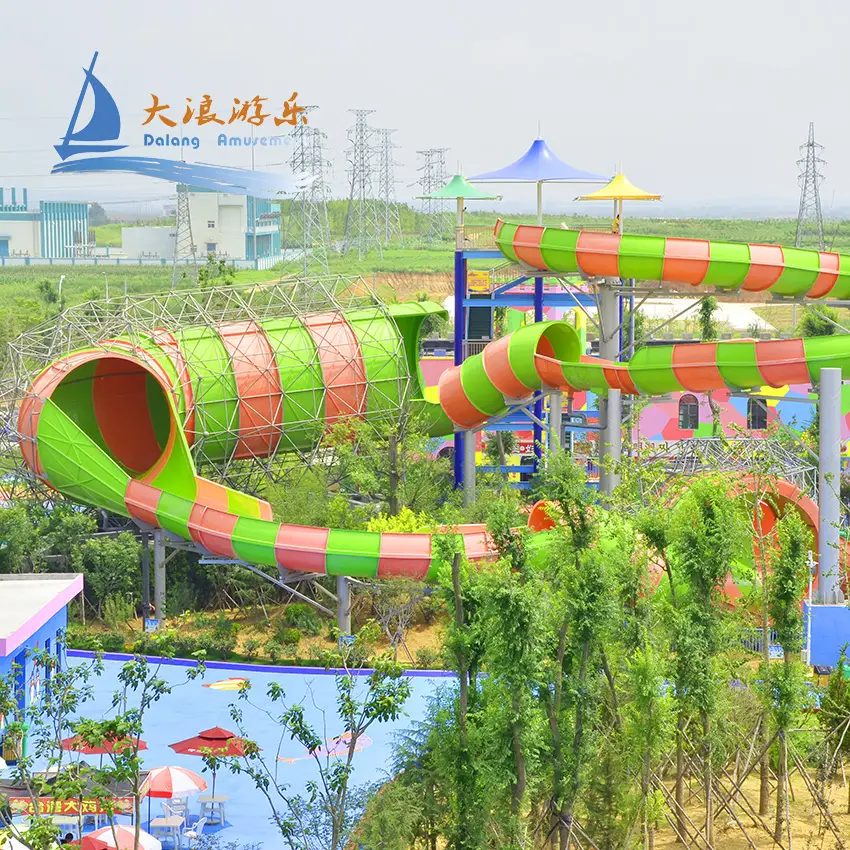
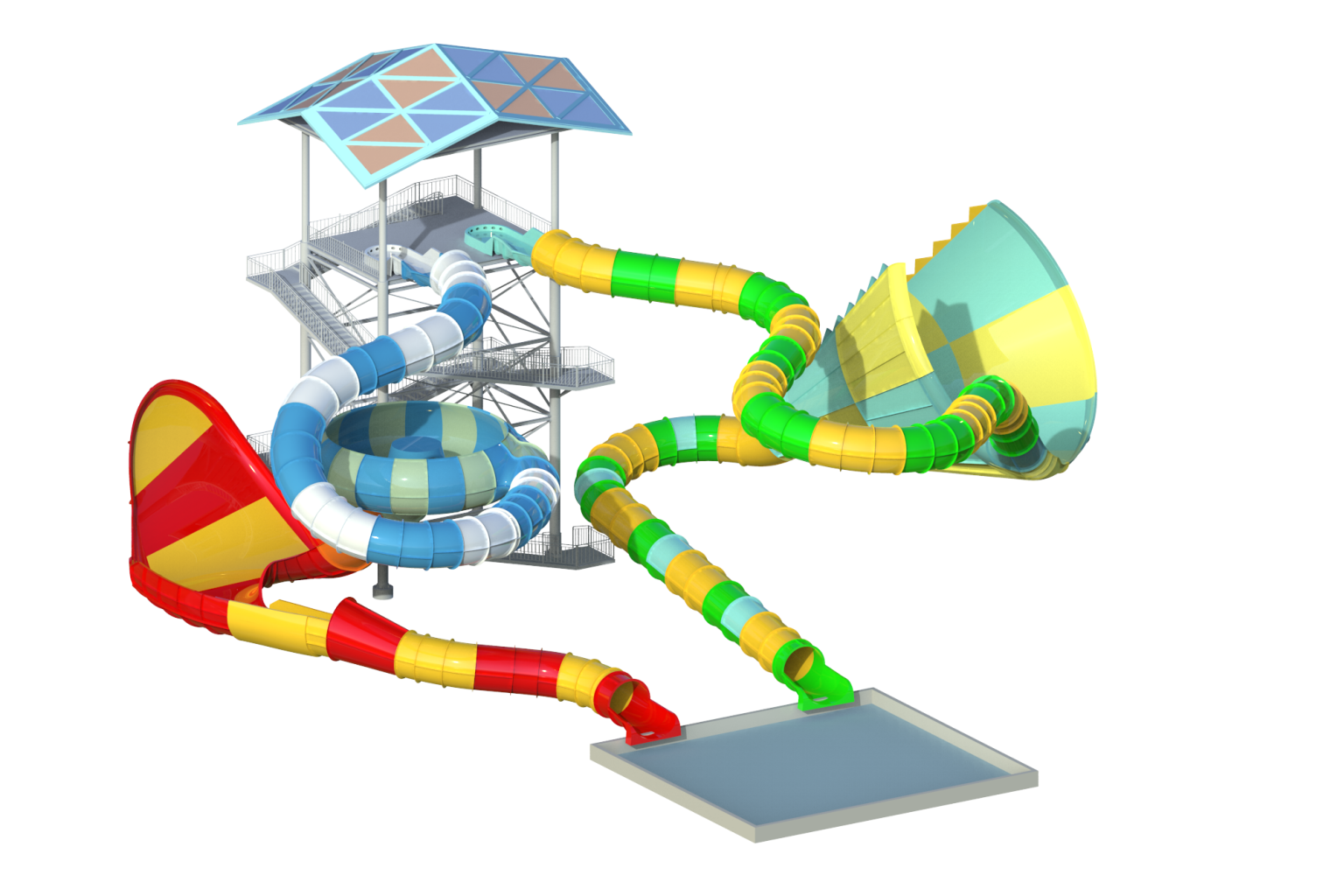
When you compare total value, Chinese suppliers often win on headline price and engineering throughput — but performance gaps pop up once you factor in materials, testing, and lifecycle. The differences become obvious when you bench a tornado water slide against a similarly spec’d unit from Europe or the U.S.: tooling quality, gelcoat thickness, and hydrodynamics tuning all shift the story. If you’re also evaluating a smaller footprint fixture, consider a fibreglass pool slide as part of your side-by-side testing matrix to see how production choices scale from single-run slides to extreme rides.
Headlines that matter: cost, lead time, and spec fidelity
Upfront: Chinese shops typically lower unit cost through high-volume mold tooling and optimized labor. Lead times can be shorter if the supplier maintains in-house mold shops and assembly lines. Where costs creep up is in added QA, shipping tariffs, and rework for mismatched specs. Think of three practical vectors: material spec (FRP lay-up and gelcoat), structural checks (load rating and bolt pattern alignment), and finishing (UV stabilizers and anti-slip textures). These are concrete items you can measure, not soft talk.
Manufacturing reality — what you actually pay for
Factory tours in Guangdong and Shunde make the point: dense supply clusters mean access to subcontractors and rapid mold iterations. That cluster advantage was visible at IAAPA shows too, where Chinese vendors demoed rapid prototyping and large-format molds side-by-side with western suppliers. The technical tradeoffs are specific — hand lay-up FRP can be tuned for weight and stiffness, but you’ll want documented cure cycles and gelcoat thickness reports. Without those you’re guessing at fatigue life and finish durability.

Comparative checklist: what to audit on arrival
Use this list at the dock or during site acceptance testing:
– Visual and dimensional inspection against CAD drawings; check bolt holes and mating faces. – Gelcoat thickness map and adhesion tests; high-traffic zones need thicker gelcoat. – Structural proof load and non-destructive testing; a certified test report beats assumptions. – Hydrodynamics verification (ride speed and splash footprint) with instrumented runs.
These checks reduce surprises and help you assign real numbers to warranty reserves and maintenance budgets — and they make supplier conversations far less emotional.
Production teardown: common mistakes and recovery paths
Teams often skip operational teardown, then scramble when paint crazes or stress cracks appear. Typical screw-ups: accepting vague cure schedules, skipping UV-stability tests, or not validating anchor embed dimensions. Do a teardown early: review gelcoat adhesion, laminate schedule, and backing plate interfaces. Also embed {main_keyword} and {variation_keyword} into the operational production teardown so suppliers know you mean business — documentation is the deterrent.
Expect to negotiate over mold revisions and tooling amortization; if a supplier balks, request partial retooling or third-party inspection paid from an escrow. — This small friction up front prevents months of warranty headaches later.
Cost-to-performance metrics you should use (Advisory)
Focus on three golden rules when deciding: (1) Total Lifecycle Cost per Ride Hour — combine purchase price, expected downtime, and maintenance labor into a single annualized number. (2) Spec Verification Ratio — share of critical specs (gelcoat thickness, laminate schedule, load ratings) backed by test reports vs. total specs. Aim for 0.9 or higher. (3) Time-to-Replace Metric — how long from damage report to part replacement; shorter windows reduce indirect guest-impact costs. These metrics translate opinions into procurement KPIs.
Summing up: Chinese manufacturing often delivers the best raw value, but the win depends on how rigorously you lock down specs, testing, and logistics. When you add objective tests and lifecycle math, sourcing becomes a predictable decision instead of a gamble.
Dalang sits well in that workflow as a supplier with documented tooling practices and ride test data — practical, measurable, and ready to match your KPIs. — Final thought: choose partners who treat ride dynamics and FRP tech like production-grade software; you’ll ship fewer patches later.
