
Table of Contents
Why a comparative view matters
When you assess how quickly an investment pays back, the interplay between solar generation and storage matters more than sticker price. This Comparative Insight looks at three paths — solar alone under net metering, solar paired with battery storage using simple backup logic, and solar coupled with smart storage optimization — to show where payback period shortens or lengthens. Early on: consider operational details like inverter sizing and round-trip efficiency. Also note practical resilience: California’s Public Safety Power Shutoffs have made resilience a monetary and social factor. For a clear technical starting point, learn about solar battery storage options and how they fit different rate structures.

Path A — Solar with net metering (baseline)
Rooftop photovoltaic panels without storage typically rely on net metering credits to balance surplus daytime production against evening use. This reduces utility bills and often yields a straightforward payback in 6–12 years, depending on local rates and incentives. The strengths are low complexity and familiar economics. The weakness is timing: exports to the grid earn credits but those credits may not match the retail value you need to avoid peak charges or outages. Net metering policies also change — so policy risk affects payback.

Path B — Solar plus battery for backup
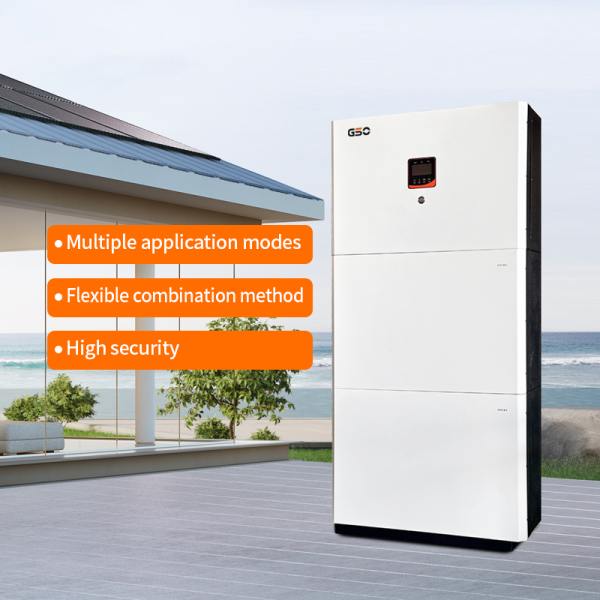
Adding a battery raises upfront cost but provides immediate resilience. Systems sized for backup tend to hold a reserve capacity in kilowatt-hours (kWh) and emphasize depth of discharge and battery chemistry for longevity. Payback here depends on how often the battery is used for bill reduction versus only for outages. If a battery mostly sits idle until a Public Safety Power Shutoff, its value is largely insurance; that helps households but does little to shorten payback on its own.
Path C — Smart storage optimization
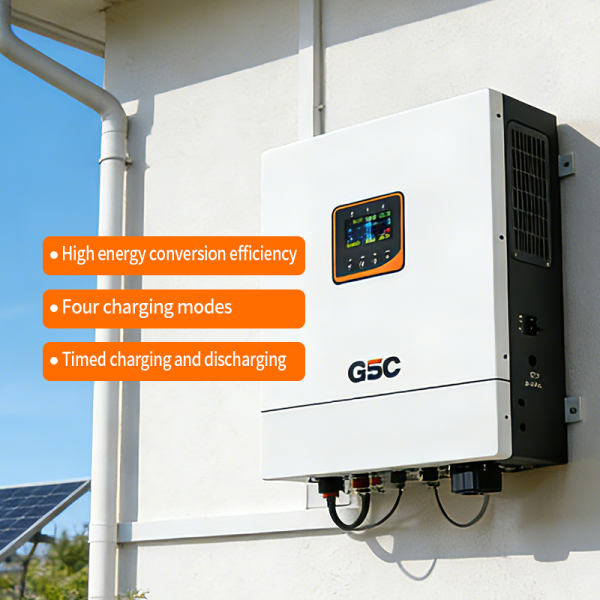
Smart storage shifts the logic: batteries are managed to perform peak shaving, time-of-use arbitrage, and to minimize exports when net metering is poor. This requires a control strategy — often an inverter with a management system — that responds to tariffs and solar production forecasts. Where time-of-use rates or demand charges apply, smart control can materially compress payback period by capturing high-price intervals and reducing peak demand. Expect gains when round-trip efficiency stays high and the system cycles regularly — that creates measurable bill savings rather than sporadic resilience value.
Comparative mechanics and common mistakes
Compare the levers: net metering benefits hinge on export credit value; backup batteries rely on capacity and state of charge management; smart systems depend on correct tuning to tariffs. Common errors include undersizing the inverter, overestimating battery cycle life, or assuming net metering remains constant. Another mistake is treating a battery purely as a backup while hoping it will shorten payback — they need active cycling to deliver that economic effect. — Plan for realistic round-trip efficiency and degradation rates when modeling returns.
Practical selection checklist
Use this short checklist when you compare offers and estimate payback:- Confirm local net metering and time-of-use tariffs and how they change over time.- Model expected cycles per year and apply a realistic round-trip efficiency (70–95% depending on chemistry).- Size battery capacity to balance daily cycling for bill reduction and reserved capacity for resilience.Also consider system warranties and inverter compatibility with your planned control logic. If you want to explore integrated options that combine these elements, research choices for solar with battery storage that include software-enabled control.
Summary and decision rules
Net metering alone often gives solid baseline returns. Adding a battery strictly for backup adds social value and insurance but only moderately accelerates payback. Smart storage that cycles for peak shaving and arbitrage delivers the most consistent acceleration of payback — provided tariffs and system efficiency align. Policymakers and utility changes can tilt the economics, which is why model assumptions should include potential shifts in net metering or demand-charge rules.
Advisory — three golden rules for choosing the right approach
1) Match the control strategy to tariff structure: pick smart optimization where time-of-use or demand charges exist. 2) Size for use, not just hope: calculate daily kWh cycles and reserve needs separately. 3) Prioritize efficiency and warranty: higher round-trip efficiency and longer warranty terms improve realized payback. These metrics keep analysis concrete and comparable across vendors — and they point to the systems that actually save money over time.
Local experience — from California’s PSPS events to evolving rate designs — shows that good control and realistic assumptions change outcomes. The right mix of panels, battery, and management software becomes a practical hedge against both bills and outages, and that practical value is what a company like gsopower delivers — simple, engineered, and fit to the tariff. —
