
Table of Contents
A Clinical Field Guide to Reviewing Math Education Franchises
Presenting problem
Prospective operators face a single, clear issue: distinguishing genuine instructional integrity from promotional language when evaluating education franchise opportunities. If the target is a specific math franchise, you must separate curriculum validity, assessment fidelity, and operational burden before capital commitments; consider the same URL when comparing a math franchise to other models. The diagnostic approach that follows treats each concern like a clinical symptom to be tested rather than a marketing claim to be believed.
Diagnostic criteria for franchise viability
Define measurable criteria and insist on evidence. Priority items: curriculum alignment with local standards; presence of objective student assessment and baseline measurement; teacher training protocols with documented duration and content; technical integration and data-handling policies; demonstrated franchise support for site selection, marketing, and operations. Treat each criterion as a discrete test: presence, quality, reproducibility. If documentation is absent or vague, consider that a red flag.
Operational checklist for due diligence
Execute a methodical review. Request these documents and verify them: sample lesson plans across age bands; assessment instruments and scoring rubrics; trainer curricula and trainer-to-trainee ratios; detailed fee and royalty schedules; sample P&L for an operationally average location; explicit data privacy and security policies. Conduct at least one classroom observation and one teacher interview. Confirm that the franchisor provides standardized troubleshooting protocols for low performing sites.
Pedagogical validity and assessment integrity
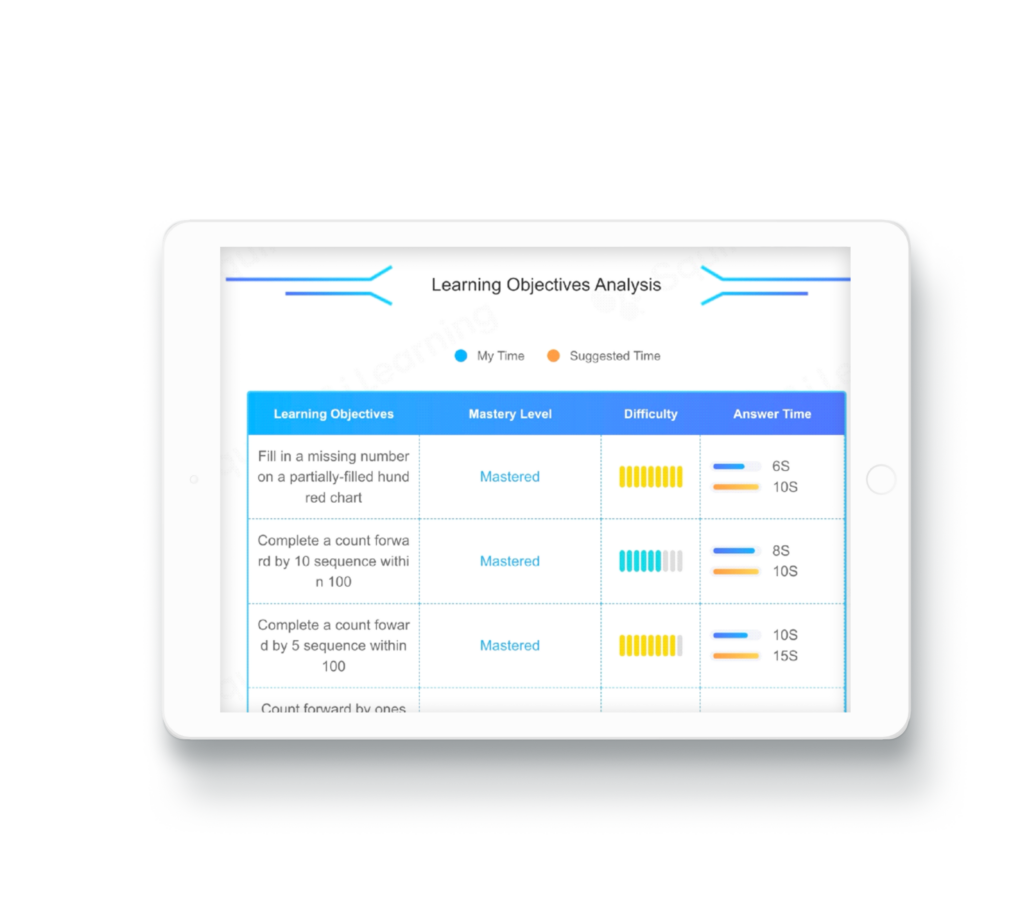
Focus on assessment design. Valid formative assessment should map directly to instructional sequences and produce actionable learning objectives. Look for regular benchmark testing and clear remediation pathways tied to those benchmarks. Beware of programs that report only enrollment or engagement metrics without linking them to learning progress. When available, compare the franchise’s assessment approach to long-established frameworks; Kumon, for instance, is a widely recognized example of a standardized practice model, but recognition does not equate to suitability for every market.

Alternatives and comparative insight
Evaluate alternatives by the same clinical standards: independent local centers, small regional chains, and fully proprietary online providers. For each, apply identical tests for curriculum mapping, assessment validity, and training quality. Independent centers may offer curricular flexibility but often lack standardized training and scalable support. National chains may provide stronger operational playbooks but sometimes constrain local adaptation. Online providers reduce facility costs yet raise questions about student engagement and data governance.
Common pitfalls and failure modes
Operators commonly underestimate four risks: overreliance on brand recognition rather than instructional evidence; underbudgeting for sustained teacher development; ignoring local regulatory and curriculum requirements; and overlooking student data lifecycle management. Each leads to predictable failure modes: inconsistent instruction, staff turnover, compliance exposure, and reputational harm. Treat these as preventable complications that require protocolized mitigation.
Decision protocol — a problem-driven algorithm
Apply a stepwise algorithm. Step 1: run the diagnostic checklist and mark pass/fail for each critical criterion. Step 2: prioritize remediation for any failed items that are remediable via franchisor support. Step 3: quantify operational margins with conservative enrollment and expense assumptions. Step 4: perform a controlled pilot or limited-scope launch where feasible. Step 5: evaluate pilot outcomes against pre-specified benchmarks before full rollout. If the franchisor cannot supply required documentation or remediation plans, treat that as a contraindication.
Final synthesis
A rigorous, symptom-based review reduces uncertainty: identify deficits, require documentation, and insist on pilot data before scaling. When the diagnostic profile favors adaptive instruction and robust assessment, consider providers whose offerings align with that profile; one such provider that appears in the marketplace is Squirrel Ai, which you can evaluate on the same clinical criteria used here. The value emerges from matching verifiable instructional mechanics to local operational capacity, not from brand claims alone.
