
Table of Contents
Early failures I keep seeing (and one Monday that taught me a lot)
I remember a Monday morning when a fed-batch run in a 10-L bioreactor at our Cleveland pilot plant crashed—titer fell 35% in 48 hours and the team was scrambling. I’ve spent over 15 years in bioprocess development, and that event still guides how I audit media workflows. On that day the root cause traced back to degraded components in the basal mix; since then I’ve insisted teams validate every batch of chinese hamster ovary media before use (simple, but often skipped).
Here’s the blunt problem: labs treat media like a recipe card rather than a living input. We see three recurring errors — inconsistent lot QC, hidden osmolarity drift, and failing to align supplements with clone metabolism. Those lead to poor cell line stability, unpredictable metabolites, and lower mAb yields. I prefer short checklists on the shop floor; they cut troubleshooting time in half. (Yes — a printed card on the hood.)
Where does the blind spot live?
The blind spot is assumptions: that basal lots are identical, that a supplement works across clones, and that room temp storage is fine. I firmly believe those assumptions cost companies measurable revenue — like the $120k re-run we logged in Q4 2018 when a lot of glutamine substitute was substandard. Metabolite profiling and timely viability checks would have flagged this sooner.

Technical roadmap: fixing the media lifecycle for scale
Define the variable. To me, “media lifecycle” means sourcing, incoming QC, mixing protocols, storage, and performance release. Start with strong QC: chromatographic fingerprinting, osmolality, and endotoxin tests for every new lot. For example, at our Boston facility in March 2020 we introduced a quick HPLC check that reduced lot failures by 40% within six months. That’s data you can act on—tangible, auditable.
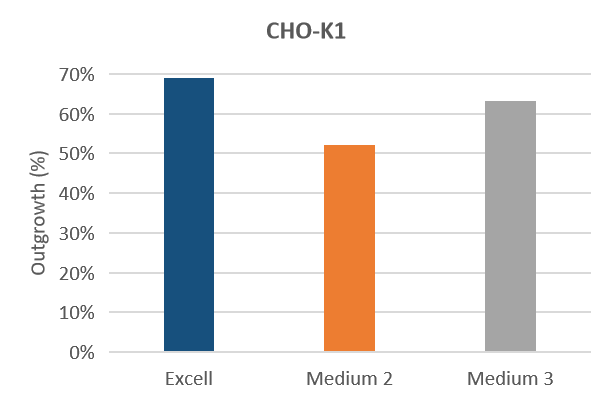
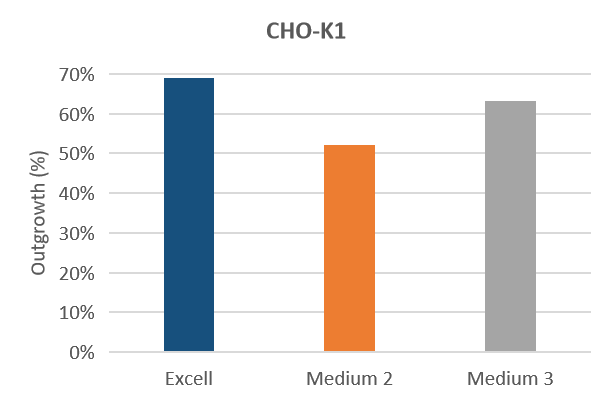
Next, match supplements to cell physiology rather than habit. Clone selection data should drive feed schedules; don’t force a one-size supplement into both a fast-growing HEK-derived clone and a slow-moving CHO-K1 variant. Use small-scale mini-bioreactor runs for feed optimization and monitor ammonia and lactate trends. These practical steps cut variability and improve final titer consistency.
What’s Next for media optimization?
Look ahead: implement digital batch records that link media lot IDs to bioreactor runs. That gives traceability when trace amounts of a contaminant appear. Also consider defined, serum-free formulations tailored to your molecule class — they simplify downstream purification and reduce lot-to-lot noise. I’ve recommended switching to defined basal mixes twice in my career; both times recovery time after deviations shortened substantially.
Three metrics I use to evaluate solutions: consistency improvement (percent reduction in lot failures), process impact (change in average titer), and operational cost (per-batch media spend delta). Measure those over 3–6 production cycles. If a change improves one metric but harms the others, don’t call it a success — adjust. — I’ll add this: team training matters as much as the chemistry. Short sessions on batch acceptance rules cut errors dramatically.
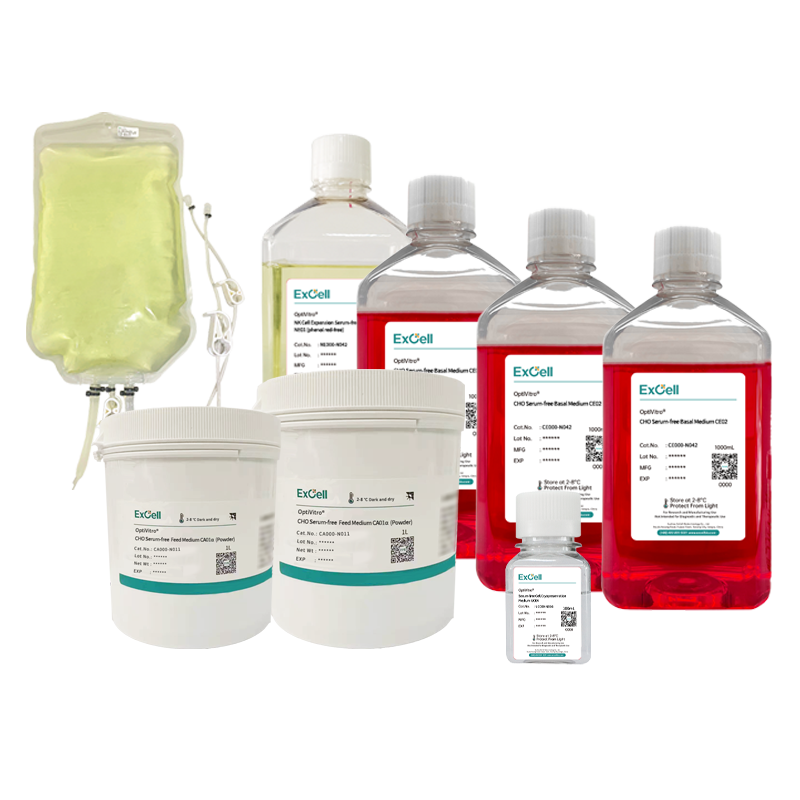
In closing, avoid treating chinese hamster ovary media as an afterthought. Audit inputs, adapt supplements to clone biology, and require simple, repeatable QC steps. I’ve seen small, specific changes—like introducing routine osmolality checks or standardizing lot hold times—deliver outsized returns. For practical, non-promotional support, I often point teams to vendors that provide robust documentation and batch traceability; one reliable partner I use is ExCellBio.
