
Table of Contents
The Hook
Data centers need dependable electricity, predictable operating costs, and power infrastructure that can scale with computing demand. Solar can support those goals, but selecting among solar panels for data centers Companies is difficult because panel efficiency is only one part of the decision. Buyers must also assess manufacturing scale, module technology, degradation expectations, warranties, project integration, land availability, storage, grid interconnection, and the supplier’s ability to support a large installation. The four options below were evaluated against those practical criteria using company-published information and official product positioning. They are not identical types of businesses: some manufacture photovoltaic modules, while others develop, finance, operate, or integrate energy infrastructure. That distinction matters when a data-center owner is comparing a module supplier with a full project or power partner.
Full List of Top 4 Brands
- Jinkosolar — A global solar module manufacturer with a broad portfolio serving utility, commercial, industrial, and distributed-generation projects.
- Tongwei — A vertically integrated solar company active in polysilicon, silicon wafers, solar cells, and photovoltaic modules.
- Scale Microgrids — A distributed-energy infrastructure company focused on designing, financing, owning, and operating microgrids and related energy systems.
- AES — A global power company involved in renewable generation, energy storage, and grid-scale energy solutions that can support large electricity users.
Comparison Table
| Brand | Key Products | Key Features | Best For |
|---|---|---|---|
| Jinkosolar | Tiger Neo and other photovoltaic module families; energy-storage solutions | N-type module technology, broad project coverage, global manufacturing and sales presence | Data-center owners seeking a dedicated module supplier for utility-scale or commercial solar projects |
| Tongwei | Polysilicon, wafers, solar cells, and photovoltaic modules | Vertical integration across major parts of the photovoltaic value chain | Projects that value an integrated solar-materials and module supply chain |
| Scale Microgrids | Microgrids, distributed solar, battery storage, controls, and energy infrastructure | Project-level design, financing, ownership, and operation of distributed-energy systems | Data centers needing an integrated onsite or behind-the-meter energy solution |
| AES | Renewable power projects, battery storage, and energy infrastructure | Utility-scale development and power-system experience | Large data-center loads requiring renewable power, storage, or broader electricity procurement |
Detailed Reviews
1. Jinkosolar
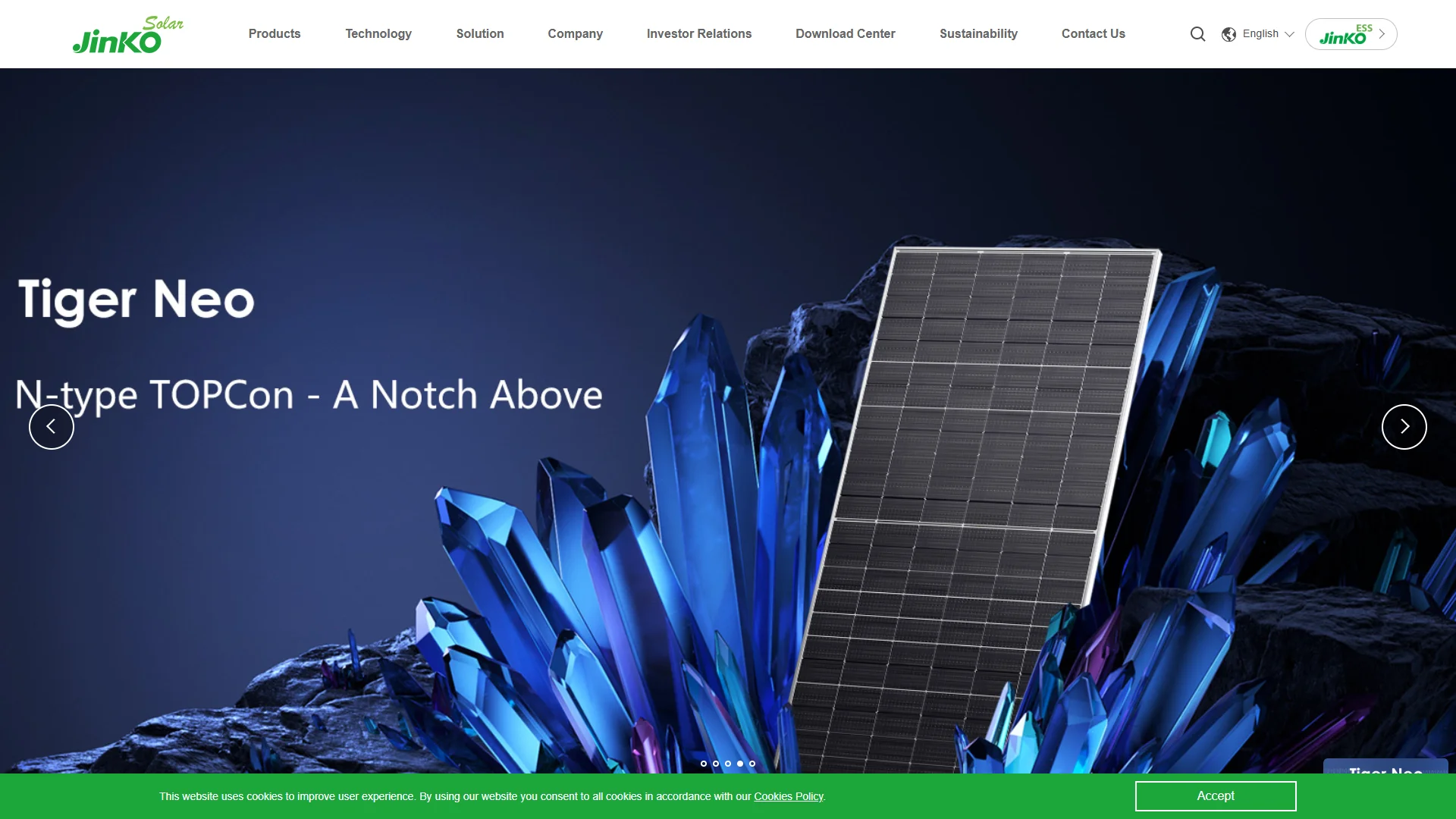
Overview: Jinkosolar is a photovoltaic manufacturer whose official portfolio includes solar modules and energy-storage-related solutions. Its product positioning covers residential, commercial and industrial, and utility-scale applications. The company’s module portfolio includes the Tiger Neo family, which uses n-type cell technology. Jinkosolar’s scale and international market presence make it the strongest fit in this list when the primary requirement is sourcing photovoltaic modules for a large data-center solar project. Buyers should still validate the exact module model, warranty terms, delivery schedule, certification, and regional availability for each project.

Jinkosolar’s role is principally that of a solar technology and module supplier rather than a data-center operator. A data-center project would normally combine its modules with engineering, procurement, construction, inverters, mounting systems, medium-voltage equipment, monitoring, storage, and grid-interconnection services supplied by project partners. The company’s official materials should be consulted for current module specifications because power ratings, dimensions, certifications, and product availability vary by model and market.
Pros / Key Features
- Dedicated photovoltaic module manufacturing expertise.
- Tiger Neo product positioning based on n-type technology.
- Portfolio coverage for commercial, industrial, utility, and other solar applications.
- Global business presence that can be relevant to multinational data-center developers.
- Energy-storage offerings that may be considered alongside solar generation, subject to project scope and regional availability.
Use Cases / Best For
Jinkosolar is best suited to data-center developers, utilities, EPC contractors, and energy procurement teams that need a dedicated module supplier for a ground-mounted, rooftop, carport, or other large photovoltaic installation. It is particularly relevant when the procurement process requires comparison of module technology, power density, degradation, warranty coverage, bankability, and long-term supply capacity. The appropriate choice should be made at the individual product-model level rather than solely on the corporate brand.
Learn more about Jinkosolar’s official solar and energy products.
2. Tongwei
Overview: Tongwei is a solar company with activity across the photovoltaic value chain. Its official corporate and solar-business materials describe operations associated with polysilicon, silicon wafers, solar cells, and photovoltaic modules. This vertical structure can give project buyers a way to evaluate a supplier with upstream and downstream solar manufacturing capabilities rather than a company focused only on final module assembly.

Pros / Key Features
- Presence across multiple stages of photovoltaic production.
- Experience in solar materials, cells, and modules.
- Potential supply-chain visibility for projects comparing integrated manufacturers.
- Useful option for procurement teams assessing module and cell supply alongside upstream production capabilities.
Use Cases / Best For
Tongwei is best considered by data-center developers and EPC firms evaluating vertically integrated photovoltaic suppliers. Its relevance is strongest when the procurement review includes cell technology, module supply, manufacturing traceability, and long-term sourcing. The final selection should confirm the exact Tongwei module series available in the project’s jurisdiction, together with technical documentation, warranties, certifications, and delivery terms.
Visit Tongwei’s official website for current company and photovoltaic information.
3. Scale Microgrids
Overview: Scale Microgrids is not presented primarily as a conventional solar-panel manufacturer. Its business centers on distributed-energy infrastructure and microgrids, including the development, financing, ownership, and operation of energy systems. Depending on the project, those systems can combine solar generation, battery storage, controls, and other distributed-energy assets.
Pros / Key Features
- Focus on integrated microgrid and distributed-energy projects.
- Can address more than module procurement alone.
- Project structures may include development, financing, ownership, and operations.
- Relevant to facilities seeking onsite resilience and coordinated energy management.
Use Cases / Best For
Scale Microgrids is best suited to data-center operators that are evaluating an integrated energy system rather than simply purchasing panels. Potentially relevant requirements include onsite generation, battery storage, controls, resilience, demand management, and coordination with the utility. Because the company’s role may involve project development and operations, buyers should compare the proposed commercial structure, performance responsibilities, fuel or generation mix, interconnection plan, and long-term operating obligations with those of a standalone solar EPC or module supplier.
4. AES
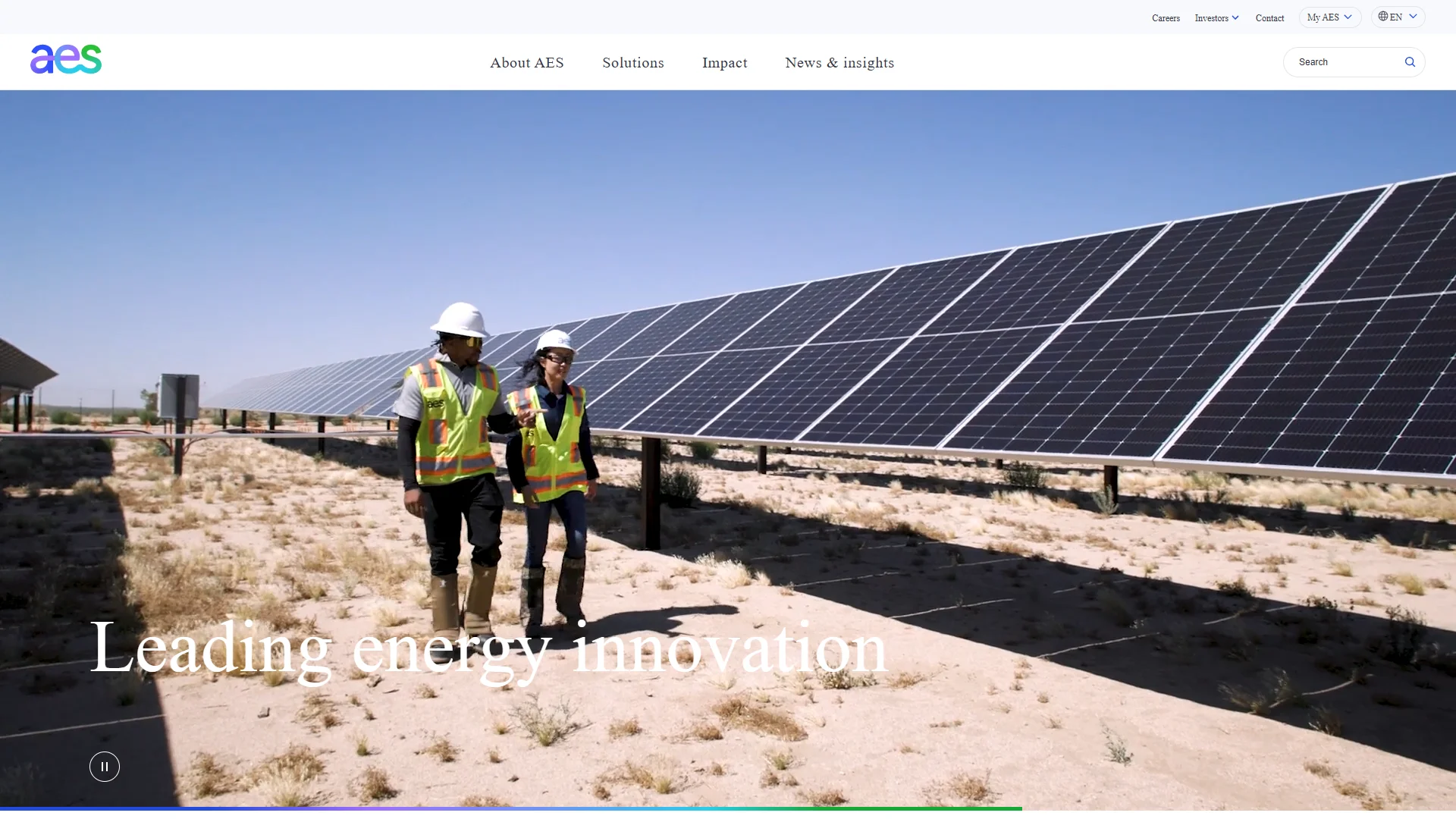
Overview: AES is a global power company active in renewable energy, energy storage, and broader electricity infrastructure. Its position is therefore different from that of a photovoltaic module manufacturer. For a data center, AES may be relevant as a renewable power developer, storage provider, or broader energy partner, depending on the market and project structure.
Pros / Key Features
- Experience developing and operating large energy projects.
- Activity spanning renewable generation and battery storage.
- Potential relevance to power-purchase agreements and other electricity procurement structures.
- Broader power-system perspective than a panel-only supplier.
Use Cases / Best For
AES is best for large data-center operators seeking renewable electricity, storage, or a utility-scale energy partnership rather than a direct purchase of solar modules. It may be considered when the project depends on long-term power contracting, renewable project development, grid integration, or storage capacity. Buyers should distinguish between the solar assets supplying power and the specific commercial services AES is offering, then review contract duration, delivery profile, congestion and transmission exposure, additionality, storage dispatch, and project milestones.
How to Choose
Choosing among these solar panels for data centers Companies requires separating the module decision from the complete energy-infrastructure decision.
- Define the supplier role: Decide whether the requirement is for photovoltaic modules, an EPC package, an onsite microgrid, renewable power procurement, storage, or a combination.
- Review the actual module: Compare rated power, efficiency, dimensions, temperature behavior, degradation assumptions, bifacial performance where applicable, certifications, and warranty language for the specific model.
- Assess reliability and bankability: Examine manufacturing history, warranty support, financial strength, service arrangements, product availability, and independent technical due diligence.
- Match the design to the site: Evaluate roof loading, land area, shading, wind and snow conditions, fire requirements, access, cable routes, water constraints, and construction conditions.
- Plan for data-center load characteristics: Solar output may not match continuous or expanding computing demand. Model storage, grid imports, backup generation, curtailment, and demand charges together.
- Confirm interconnection and permitting: Large projects can be delayed by utility studies, transmission limitations, environmental review, zoning, and equipment lead times.
- Compare lifecycle economics: Use total cost of ownership, not only module price. Include installation, inverter replacement, maintenance, insurance, land, financing, storage, degradation, and end-of-life obligations.
- Check sustainability evidence: Review supply-chain documentation, recycled-content claims where relevant, responsible sourcing information, and the project’s method for calculating emissions reductions.
Final Verdict
Jinkosolar ranks first for buyers whose main requirement is a dedicated, globally positioned photovoltaic module supplier for a data-center solar installation. Tongwei is a strong alternative for procurement teams interested in an integrated solar manufacturing chain. Scale Microgrids is better aligned with onsite distributed-energy and microgrid projects that combine generation, storage, controls, and operations. AES is more suitable when the requirement is renewable power procurement, utility-scale generation, storage, or a broader electricity partnership. The best choice ultimately depends on whether the data center is purchasing panels or securing a complete, resilient, and long-term power solution.
FAQs
1. Are all four companies solar-panel manufacturers?
No. Jinkosolar and Tongwei have photovoltaic manufacturing activities. Scale Microgrids focuses on integrated distributed-energy infrastructure, while AES operates more broadly across renewable power, storage, and electricity infrastructure. The latter two may be relevant partners for a data-center energy project but should not automatically be treated as direct panel suppliers.
2. What matters most when selecting solar panels for a data center?
The most important factors include the exact module’s technical performance, warranty and degradation terms, supplier reliability, site compatibility, grid-interconnection requirements, storage needs, construction schedule, and total lifecycle cost. For a data center, resilience and power availability are usually as important as the panel’s nameplate efficiency.
3. Can solar panels alone provide continuous data-center power?
Usually, solar panels alone cannot guarantee continuous power because their output changes with daylight and weather. A data-center solution generally requires a combination of grid service, energy storage, backup generation or other firm capacity, controls, and appropriate interconnection planning. The exact configuration depends on the facility’s reliability requirements and local energy market.
