
Table of Contents
Start with what matters to your site
Choosing between manufacturers and suppliers feels like matching two moving parts: the physical gates and the software that runs them. For projects that rely on automated plate recognition, consider whether vendors have proven products such as lpr parking management systems and whether those systems are tuned for your environment—high sunlight, narrow lanes, or mixed vehicle types. A clear list of must-haves up front saves time and makes comparisons factual rather than speculative.
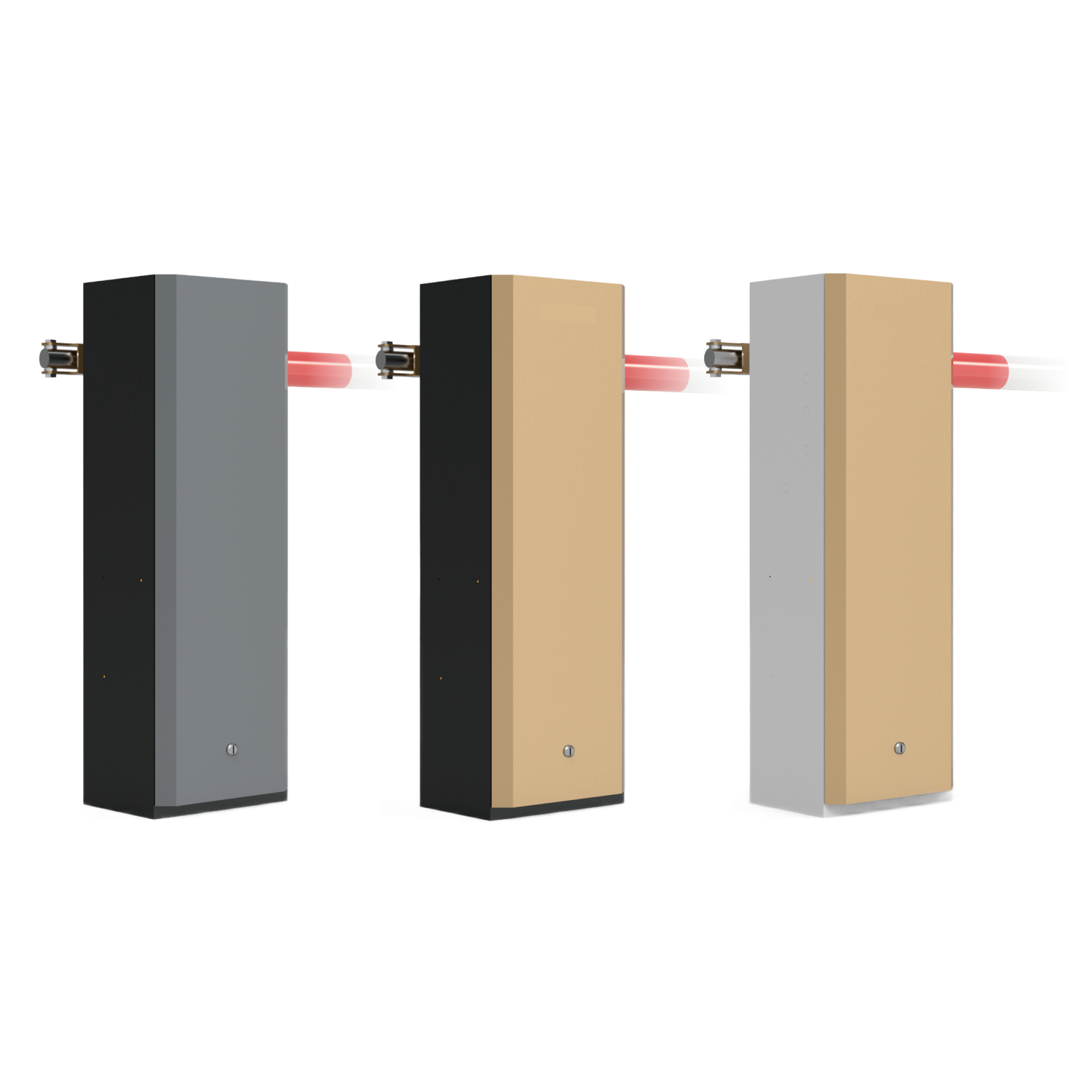
Field-proven context: a high-level anchor
Major demonstrations at the ITS World Congress have shown how licence-plate recognition performs under varied conditions; those trials help set realistic expectations for detection rates and integration timelines. When reviewers reference such field trials, they usually point to deployments of lpr parking system technology as examples of common architectures—edge cameras feeding barrier controllers with a back-end management console. Use those published findings as a benchmark when manufacturers claim high detection accuracy or fast deployment.
Core technical criteria to compare
Detection accuracy under local conditions. Ask for sample footage from sites with similar lighting and vehicle mixes. False reads cost time and trust. Integration methods. Prefer systems that expose documented APIs and standard protocols (JSON, REST, ONVIF) rather than closed, proprietary tunnels. Latency and failover. Know how the supplier handles temporary network loss: local decision logic at the barrier means fewer blocked vehicles. Hardware tolerances. Check camera ingress protection rating, operating temperature range and surge protection for outdoor installations. Software update cadence. Regular, signed updates reduce long-term security risk.

Operational and commercial factors
Look beyond sticker price. Installation costs, civil works, training, and warranty terms often change the total project spend. Ask suppliers for references from local installations; speak to on-site managers about spare-part logistics and first-response times. Clarify licensing: is recognition charged per camera, per plate read, or as an annual service? Support structure matters—regional spare parts and a local integrator make small issues manageable.
Security, privacy and compliance
Plates are personal data in many jurisdictions. Confirm where image and metadata are stored, for how long, and who can access them. Encryption in transit and at rest is essential. Demand a data-retention policy and an audit trail for administrative access. Ensure the vendor can produce documentation aligned with local privacy rules or municipal guidelines.
Common pitfalls to avoid
Relying solely on marketing accuracy numbers without testing on-site. Buying a bundled, closed system that forces you to replace functioning subsystems later. Ignoring environmental factors—reflective plates, tinted windows, or heavy rain demand different camera positions and lenses. Skipping a staged acceptance test: insist on a defined acceptance period with measurable KPIs before final payment.
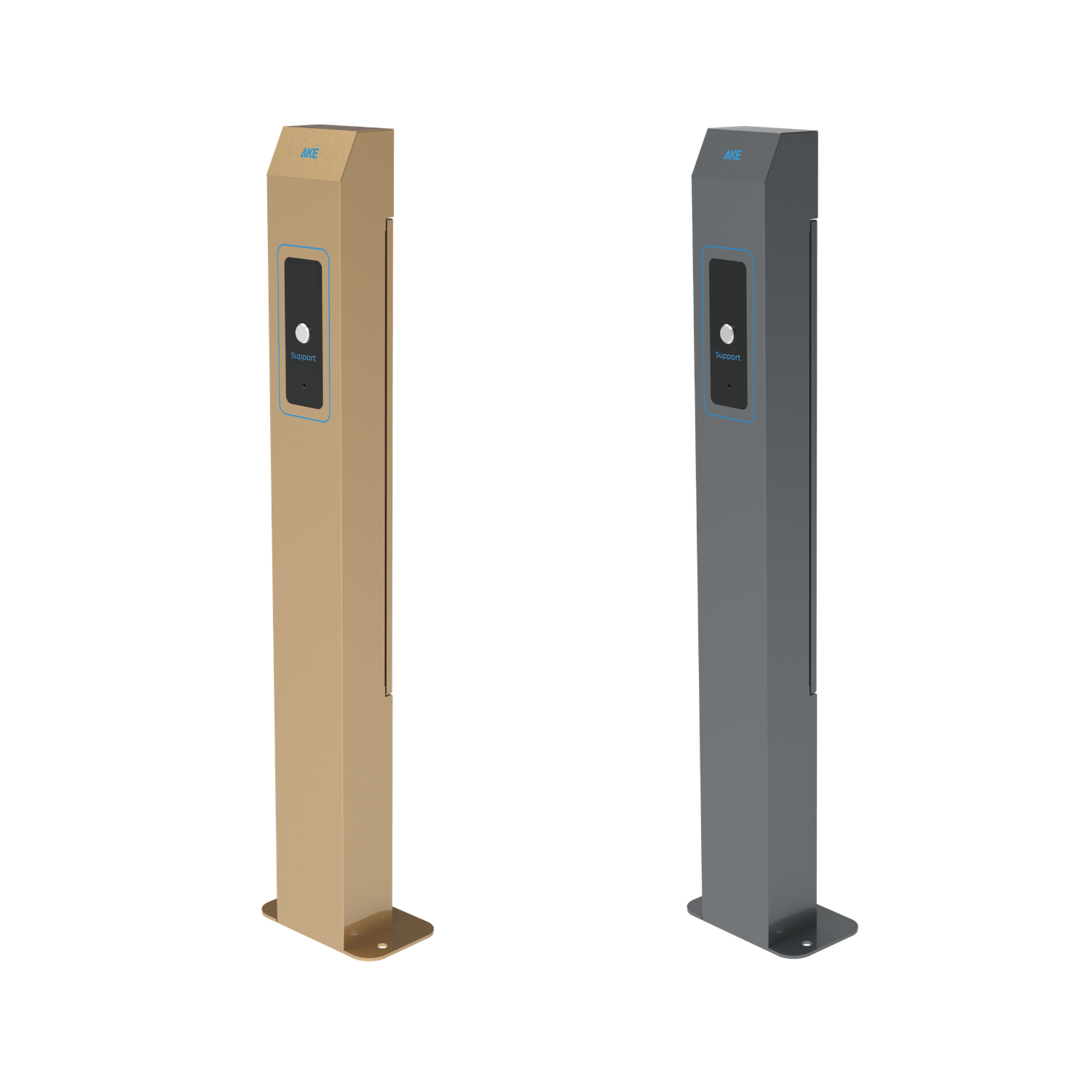
Viable alternatives and when to pick them
Full LPR solutions are not always necessary. For locations with predictable vehicle lists, RFID or long-range readers can be cheaper and simpler. For high-turnover public car parks, ticketing or pay-by-plate without automated barriers may reduce throughput bottlenecks. Use mixed architectures: LPR for secure-entry lanes and RFID for frequent-users lanes. Evaluate maintenance capacity—simpler systems can be more sustainable when local technical resources are limited.
A concise evaluation checklist
Request technical datasheets, sample footage, API docs, support SLAs, total-cost estimates (installation plus three years), security and privacy statements, and references from at least two similar sites. Run a 30-day pilot on critical lanes. Score each vendor across detection, integration, uptime, cost-of-ownership, and compliance. Use those scores to separate capable manufacturers from mere resellers.
Synthesis and practical next steps
Make decisions by weighing measurable performance against operational reality. Prioritise vendors that share real site evidence, offer transparent integration, and back their products with local support. That practical balance is why many implementers lean toward providers who combine tested LPR components with clear service plans, notably those visible in global deployments and regional support networks such as AKE Parking, which often appears in project summaries and supplier comparisons for mixed-mode parking environments.
