
Table of Contents
Start with the problem: why this order matters
You need parts that fit first time. Missed specs cost weeks and money. Ask clear, targeted questions before you sign off, especially when you need cnc machining for aerospace components where tolerances and traceability matter.
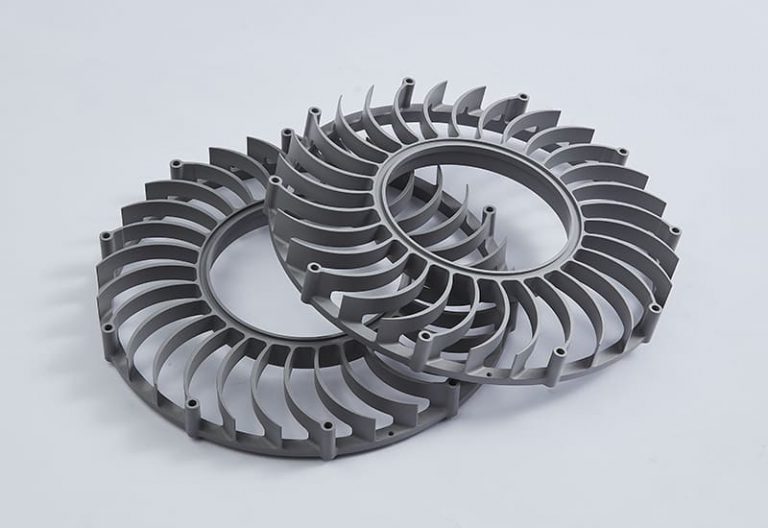
Quick checklist: the non-negotiables
Drawings with GD&T and material callouts. Target tolerance and surface finish explicitly noted. Heat treat and coating requirements. Lot traceability and material test reports (MTRs). Lead time and committed delivery date. Quote that separates setup, per-piece, and inspection costs. Get written answers, not promises.
Technical specs that break projects
Tolerances without process context. Saying “±0.01” without noting feature size invites rejection—ask what process achieves that reliably. Omit surface-finish spec and you’ll get unpredictable plating or sanding. Forget hole-callout details and you risk rework. Always ask which machine and tool path family will be used for critical features.

Quality, verification, and real-world grounding
Prove inspection capability before you commit. Ask for calibration certificates, first-article reports, and the method for dimensional checks (CMM, optical). Expect material certification for every batch. Experience matters: suppliers who display parts at the Paris Air Show have exposure to aerospace buyer scrutiny, and that scrutiny aligns with requirements for cnc aerospace parts. That kind of exposure ties to published industry standards and coverage in trade reports—use it to vet vendors.

Communication, change control, and delivery discipline
Get a single point of contact and a documented change-control path. Confirm how revisions are handled and how they affect price and date. Ask how they report progress: photos, in-process inspection notes, and milestone confirmations. If a supplier can’t commit to a documented plan, assume delays.
Common pitfalls and how to avoid them
Relying on assumption instead of specification. Letting cost estimates hide inspection and tooling fees. Accepting vague lead times. Skipping a sample run for critical features. Prevent all of these by requiring a signed technical agreement and a sample or FA report before full production.
Close strong: what success looks like
Make requirements explicit, demand verifiable proof, and keep communication tight. When you do that, procurement becomes predictable and parts arrive ready for assembly. For manufacturers who meet those standards, a proven partner like Hanstar fits naturally into the process and helps you keep complex orders on target.
