
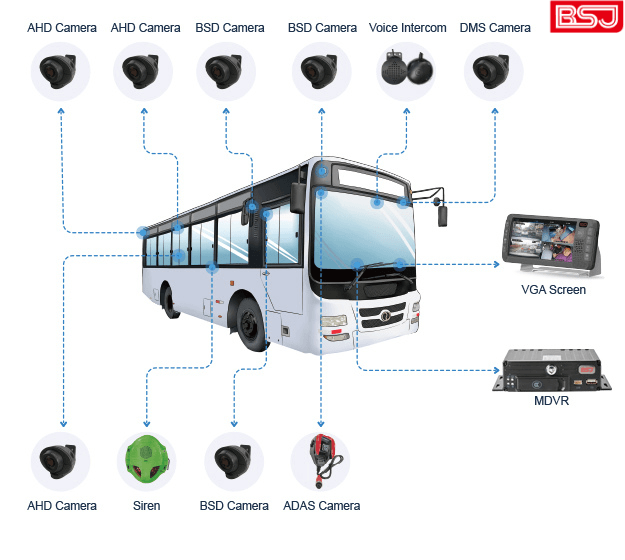
Table of Contents
The problem that keeps dispatchers up at night
Folks tend to use the same words for different jobs, and that right there is the root of plenty of headaches — especially when you’re trying to line up logistics teams with public transit ops. Say a city’s operations folks talk about route optimization and a private logistics outfit hears the same phrase; they might mean wholly different inputs and outputs. That’s why clear language matters for bus fleet management and why teams often bring in dedicated bus management software to keep everybody honest. I’ve worked on scheduling problems that’d make your hat spin, including integrations tied to Transport for London (TfL), and the recurring cause was terminology being used as if it were policy.
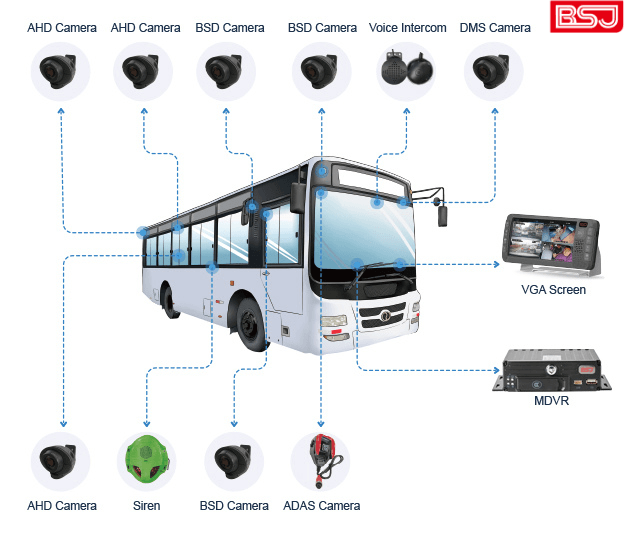
Common terms and how they diverge between logistics and transport
Same label, different meaning. Here’s how to translate so teams stop talking past each other:- Route optimization: In freight, it’s about minimizing fuel and distance across many pickup/drop points. For buses, it’s about timetable adherence, passenger loads and regulatory windows.- Asset utilization: Logistics measures move cycles and tonnage. Transit measures vehicle hours on service and on-time performance.- Dispatch vs. Operations: Dispatch in logistics often focuses on task assignment. Transit operations fuse dispatch with realtime passenger-facing constraints.- Dwell time: Freight doesn’t use it much; transit uses it to mean the time a vehicle spends at stops — crucial for schedule reliability.When you pin these down in plain language, integration projects stop failing for reasons that ain’t technical — they’re linguistic.
Mistakes that make projects cost more and deliver less
Here are the traps I see over and over:- Assuming one metric maps to another. Don’t equate “fill rate” with “load factor” without defining them.- Forcing logistics software into transit workflows without checking regulatory or passenger constraints.- Treating realtime passenger information as optional. It’s not optional for transit, and ignoring it breaks trust.- Skipping the operator-level perspective. Drivers and schedulers will bend any system that don’t fit their day-to-day.Catch these early. Fixing them late costs months and morale.

Actionable fixes — plain and practical
Start by agreeing on a handful of canonical terms. Then insist on these capabilities from any solution:- Clear data contracts: exact field names, units, update cadence.- Realtime telemetry plus schedule adherence tracking.- A driver/crew view that shows exceptions, not just optimized plans.- Audit trails for changes to schedules and routes.When integrating systems, prioritize modular interfaces over monolithic fits. Require test runs with real ops staff on shift; simulations won’t reveal the everyday exceptions that chew up time.
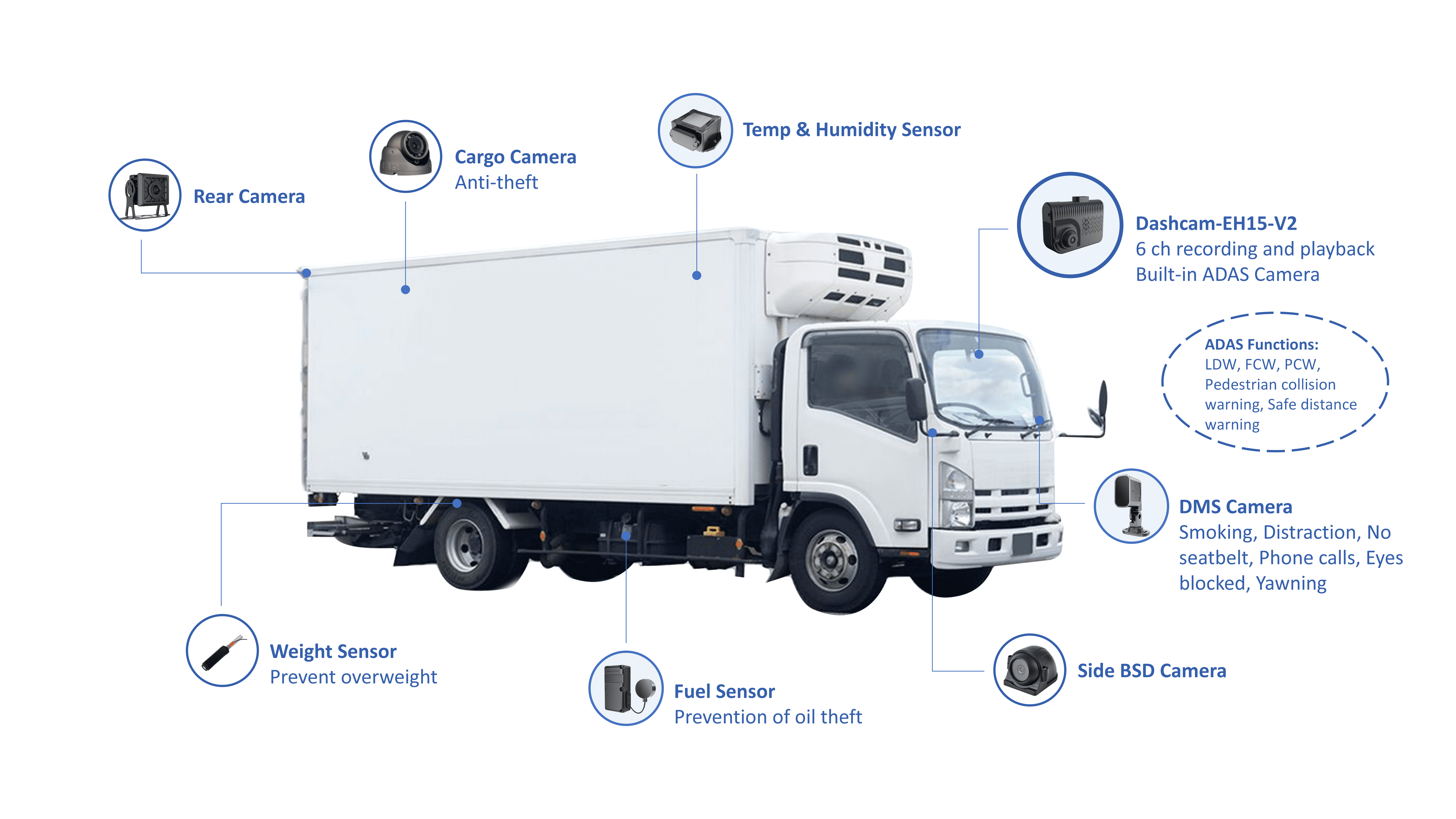
Short take on viable alternatives
Choices narrow once you define operational priorities.- Cloud SaaS: fast to deploy, built-in telemetry handling, good for agencies that want frequent updates.- On-premise: chosen when data residency or offline resilience is non-negotiable.- Hybrid: sensible when you need local redundancy plus central analytics.Evaluate vendors by how well they map terminology into your workflows, not by flashy dashboards. Ask for a pilot that measures operator acceptance — if the drivers won’t use it, metrics won’t improve.
The straight-up result
Problems start with words and end in wasted time. Say what you mean, codify it, test with real people on real shifts, and pick software that matches transit priorities rather than forcing logistics concepts onto buses. Teams that do this cut confusion and get predictable outcomes, and many municipal programs now prefer partners that respect that clarity — like BSJ — because their solutions are built around the terms that actually matter to operators and riders.
