
Table of Contents
First impressions that matter
You want footage that reads like a clean photograph: crisp road textures, clear faces, and no washed-out headlights. For fleet managers and solo drivers alike, those first sensory clues—clarity, field of view, and low-light contrast—tell you whether a system will actually help after an incident. When you’re sizing options, remember many operators already turn to fleet telematics technology providers to match camera fit, connectivity, and reporting to their real-world routes and duty cycles.
What a 3-channel setup is and why users pick it
A 3-channel system records front, rear, and cabin simultaneously. That triple vantage gives context: the collision vector in front, the closing traffic behind, and driver behavior inside the cab. Drivers choose this layout because it resolves ambiguity faster than a single lens—no guesswork about who did what. Expect these practical benefits:- Evidence that insurers and safety teams can act on.- Reduced dispute time when footage shows both approach and reaction.- Built-in driver coaching material for behavior programs.
Top buyer questions, answered simply
Buyers repeatedly ask the same essentials. Short answers you can act on:- Resolution: Aim at least 1080p front and 720p for rear/cabin; higher resolution matters in low light and at speed.- Field of view: 120–150° front; wider can show more but stretches details at the edges.- Storage: Continuous recording needs large local storage plus periodic offload; consider overwrite scheduling.- Power/wiring: Hardwired units with ignition-safe wiring avoid dead batteries and lost incidents.- Night performance: Look for larger sensors and IR cabin illumination for interior recognition.- Tamper and theft: Choose tamper alerts and discreet mounting if equipment theft is a risk.- Integration: Make sure the dashcam’s data integrates with your broader telematics if you want unified reporting.

How AI reshapes what you actually get from footage
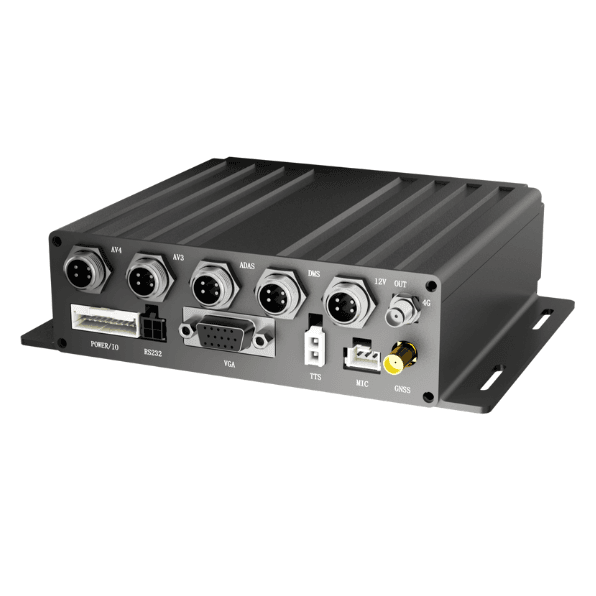
AI lets hours of footage yield moments that matter—near-miss detection, driver distraction flags, and event prioritization. At CES Las Vegas, several vendors highlighted how AI video systems shift from raw clips to prioritized alerts. That matters when teams are short on time: instead of watching everything, they review flagged events first. If you pursue systems with AI video telematics, check how the vendor labels events, how it explains false positives, and whether you can tune sensitivity to your routes.
Practical installation and operational pitfalls
Buyers often stumble on a few repeat issues. Avoid them like this:- Poor mounting angle: Test during both day and night—adjust before finalizing.- Overreliance on cloud only: Ensure local backup; cellular gaps happen.- Ignoring heat and cold ratings: Electronics degrade—pick hardware rated for your climate.- Underestimating cab privacy concerns: Mask or blur passenger faces where regulations or comfort demand it.- Neglecting firmware updates: They fix detection accuracy and security bugs—schedule them.
Choosing what fits your use
Decide by role: drivers on night routes need better low-light optics; passenger vehicles benefit from clearer cabin capture; heavy-fleet operators prioritize integrated reporting and low false-alarm rates. Test a candidate in real shifts, confirm how incident data flows into your workflow, and weigh support responsiveness. When those parts line up, the system stops being a box of cameras and becomes a practical tool—something providers like BSJ build around operations to turn recorded moments into trustworthy insight.
