
Table of Contents
A Quick Reality Check
Big rooms. Bigger agendas. And yet, tiny moments of delay stack up fast. A global event team recently clocked 21 minutes lost per session to mic handoffs, cable checks, and screen confusion—multiplied by eight panels, that’s nearly three hours gone. A paperless conference system steps in to break that waste loop and turn those minutes into meaningful talk time. Now imagine a meeting where speakers see prompts, vote, and share notes without shuffling papers or waving for tech help (nice, right?). If that picture feels far off, ask yourself: is the bottleneck your process—or your devices?
Here’s the bold part: what slows you down is often invisible. Old workflows hide the real cost in setup time, miscommunication, and fatigue. The signals are clear—missed cues, awkward pauses, and low engagement. But the fix is surprisingly concrete. We’re not talking about new rules. We’re talking about smarter endpoints that lower latency, improve clarity, and remove steps that never added value. Let’s unpack the key difference makers and see how they shape better rooms, faster decisions, and cleaner follow-through. Onward to the gear that changes the equation.

Deeper Dive: The Microphone With Screen—What’s the Catch?
Where do legacy mics fall short?
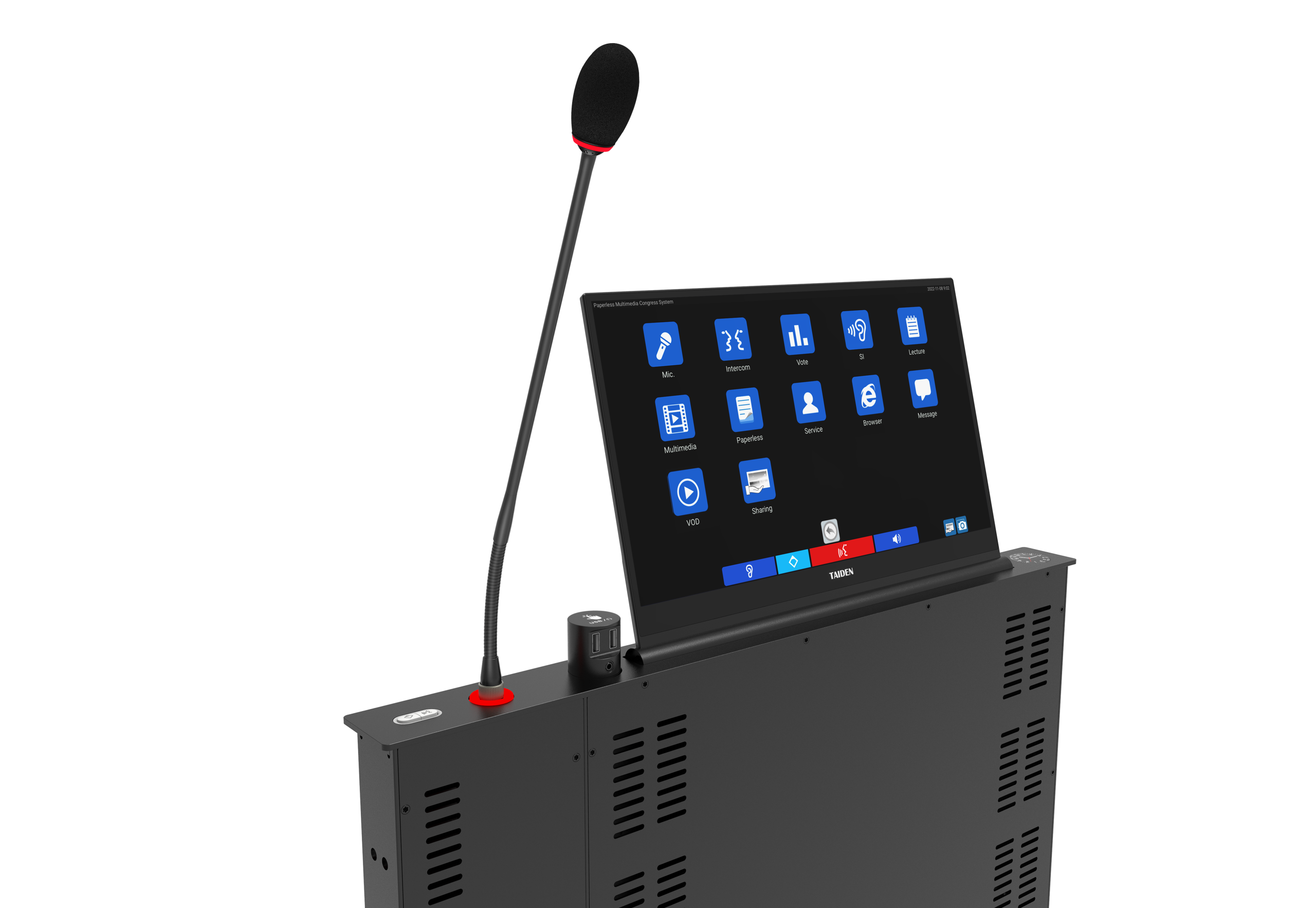
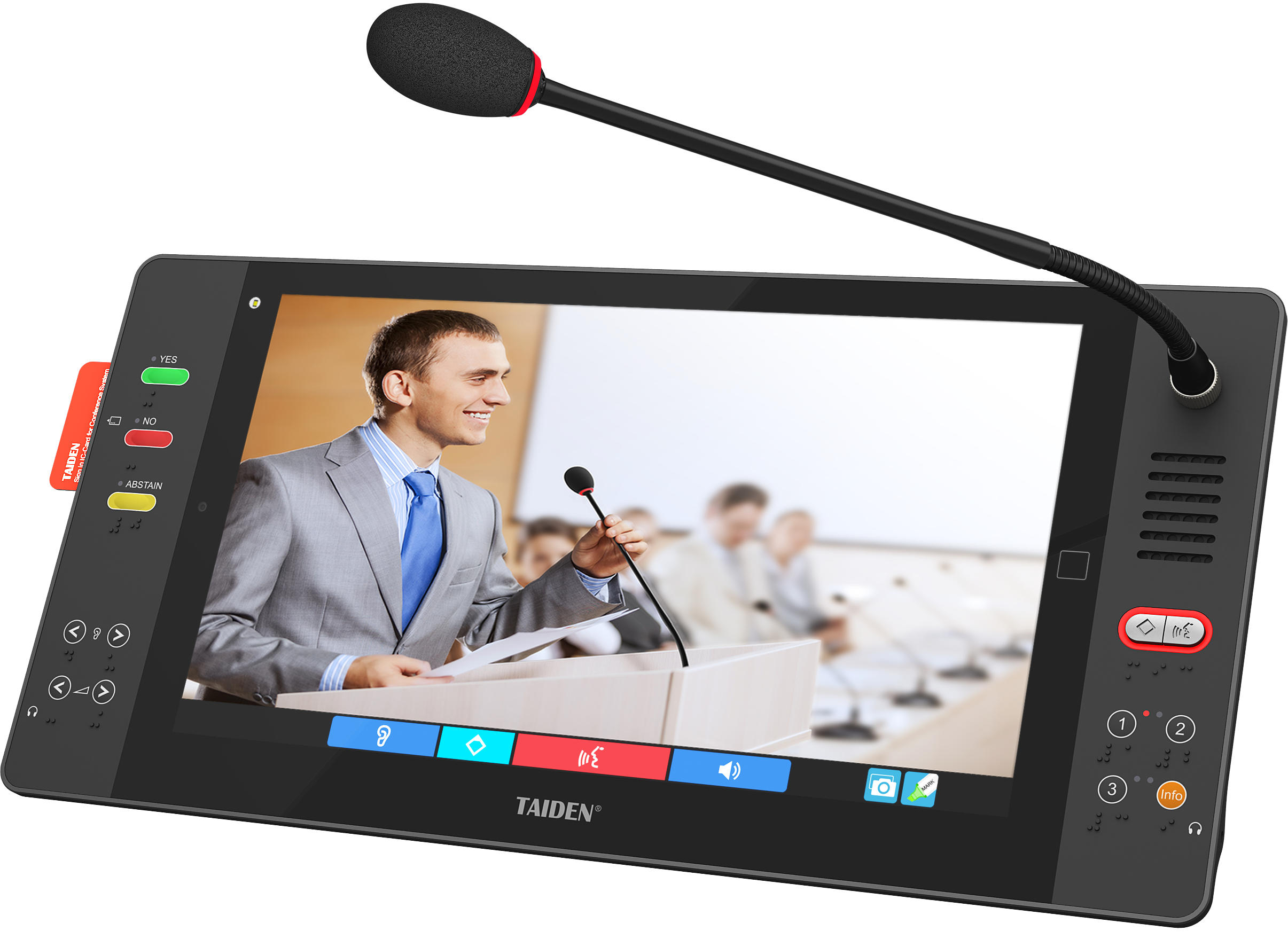
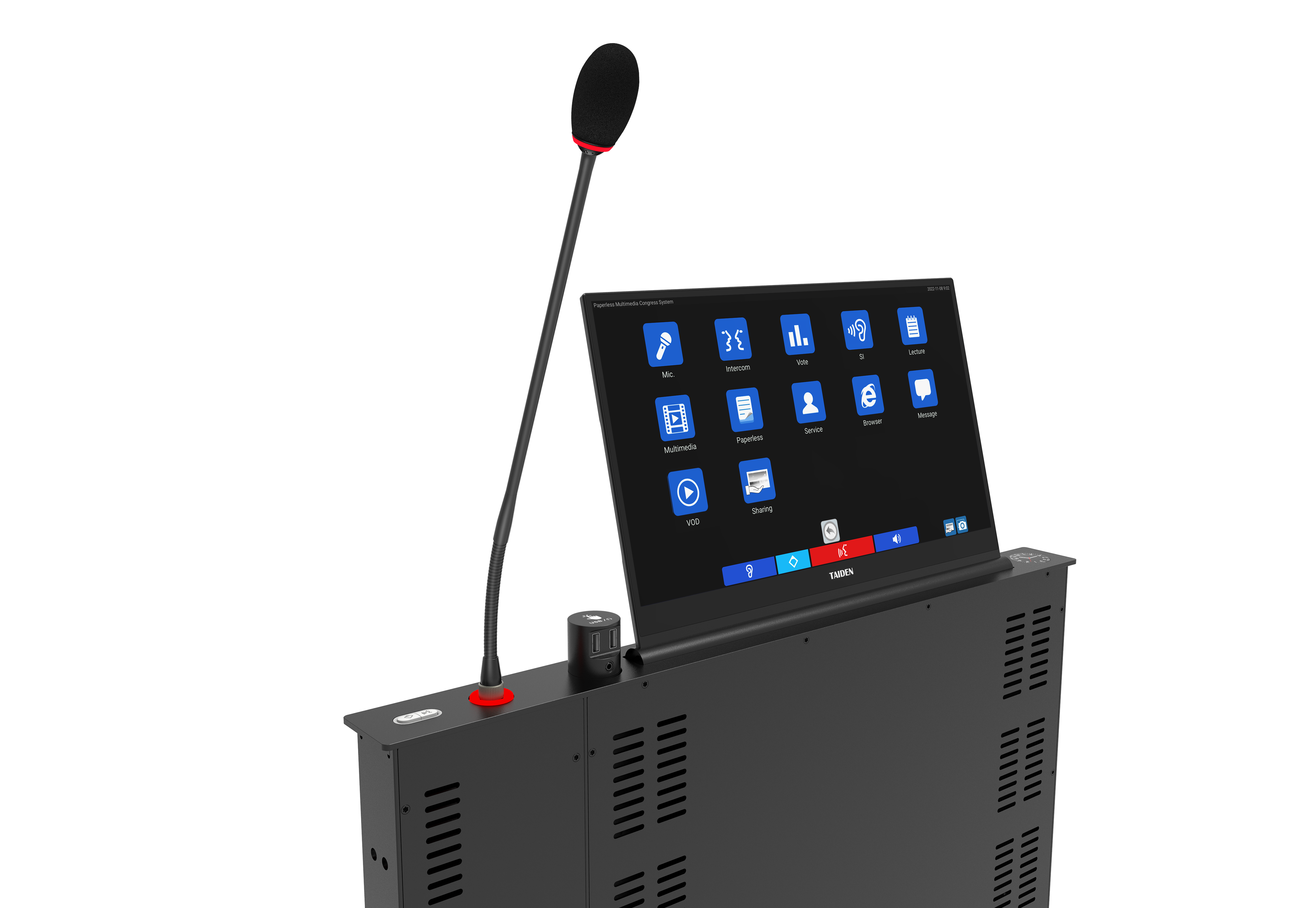
The unsung hero of modern meetings is the microphone with screen. On the surface, it’s a mic plus a small display. In practice, it fixes three hidden pain points: cueing, context, and control. Traditional goosenecks force speakers to look away for agenda checks or voting instructions. That split focus raises errors and slows flow. With on-device prompts, timers, and ID tags, you cut mental switching. DSP-driven gain control and beamforming also help keep voice pickup clean even when heads turn. Look, it’s simpler than you think—tight feedback loops, not louder speakers, drive clarity. And with defined QoS and a strict latency budget, panels stay snappy even as sessions scale.
Legacy setups also bury operators in manual steps. Labeling tents. Paper agendas. Off-mic backchannel notes. Then comes the inevitable “who speaks next?” shuffle—funny how that works, right? A screen-enabled unit can surface speaking order, mic status, and quick votes right where the talk happens. Fewer side screens. Fewer whispered prompts. Less fatigue. The result is a neater signal path with fewer points of failure. When the interface sits on the mic, you remove a whole layer of confusion and cable clutter. And because the device can cache content, network hiccups hurt less. In short: modern mics don’t just transmit sound; they transmit confidence.
What’s Next: Principles Powering the Shift
Real-world Impact
So where does this go from here? Think new technology principles, not just shiny hardware. Edge computing nodes near the room trim round trips for prompts and voting states. Adaptive beamforming learns room acoustics over time. AES-grade encryption protects streams without blowing the latency budget. And in a busy venue, smart QoS scheduling keeps voice ahead of secondary content. Compare this to a standard setup, and you see the gap: one system reacts; the other anticipates. Tie that to a modern wireless conference system, and you gain placement freedom without trading stability. Less RF guesswork, more predictable uptime—because the stack is tuned end to end.
Here’s the bottom line we’ve learned so far—interface proximity matters, and so does network design. By moving context to the microphone and shifting logic closer to the room, you reduce friction. By aligning RF planning with actual usage peaks, you avoid mid-panel dropouts. Next steps? Use a forward-looking checklist that blends human needs and system health. Advisory mode: 1) Measure total experience latency, not just audio delay—include cue display and vote roundtrip. 2) Audit resilience paths: device caching, fallback profiles, and interference handling in crowded RF spectrum. 3) Check lifecycle metrics: firmware update cadence, security posture, and device-level logs for post-event review. Do that, and you’ll pick solutions that age well—funny how the simplest tests reveal the strongest designs. For teams seeking a grounded path to better rooms, brands that engineer at the device and system layer both, such as TAIDEN, are worth a closer look.
