
Table of Contents
A Soft Morning, A Small Detail, A Big Question
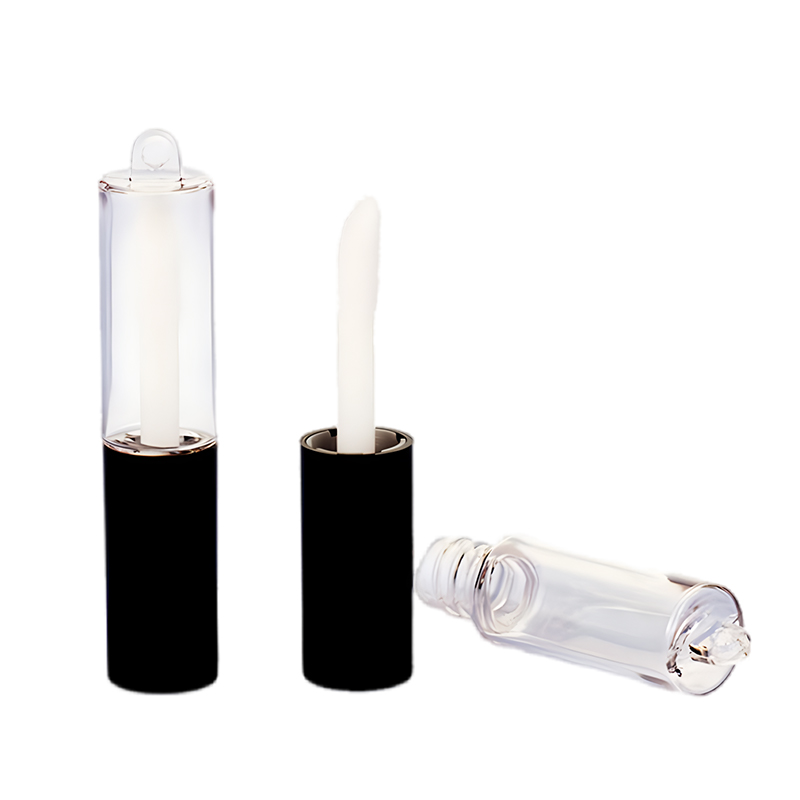
Picture the sink light at 7 a.m., soft and silver, and your hand hunting for the shade you love. The second you twist the cap, a clear lip gloss tube flashes the truth inside, no guessing, no fuss. Many brands claim “precision,” yet in user tests and returns data, a surprising share of waste comes from foggy packaging and over-squeeze (tiny losses, big annoyance). That is why clear lip gloss tubes keep showing up in pro kits—because seeing is a control system, not just a style choice.
Here is the small number that nags: people toss near-empty glosses while 5–10% of product still clings to the walls. And when you cannot see it, you over-swipe and pump air in, which speeds up oxidation. Strange loop, right? The tube looks simple, but its clarity lets you judge fill line, color shift, and even thickening over time. So the question is simple: what if visibility is the missing feature that fixes the mess (and calms the morning)? Let’s move from the mirror to the mechanics.
The Hidden Friction: What Opaque Designs Miss
Why do clear tubes fix the mess?
Opaque components try to “protect” the formula, but they hide status cues you need. With transparent barrels, the wiper and applicator work like gauges. You see viscosity change, you see residue bands, you see the real dose after a swipe. That feedback loop cuts waste. It also slows air churn that comes from panic pumping. Look, it’s simpler than you think: when you can see, you adjust. Fewer hard pulls, cleaner threads, steadier wear on the wiper lip. Even torque on the cap and the thread pitch matter, because the right bite keeps an airtight seal without grinding the gasket—funny how that works, right?

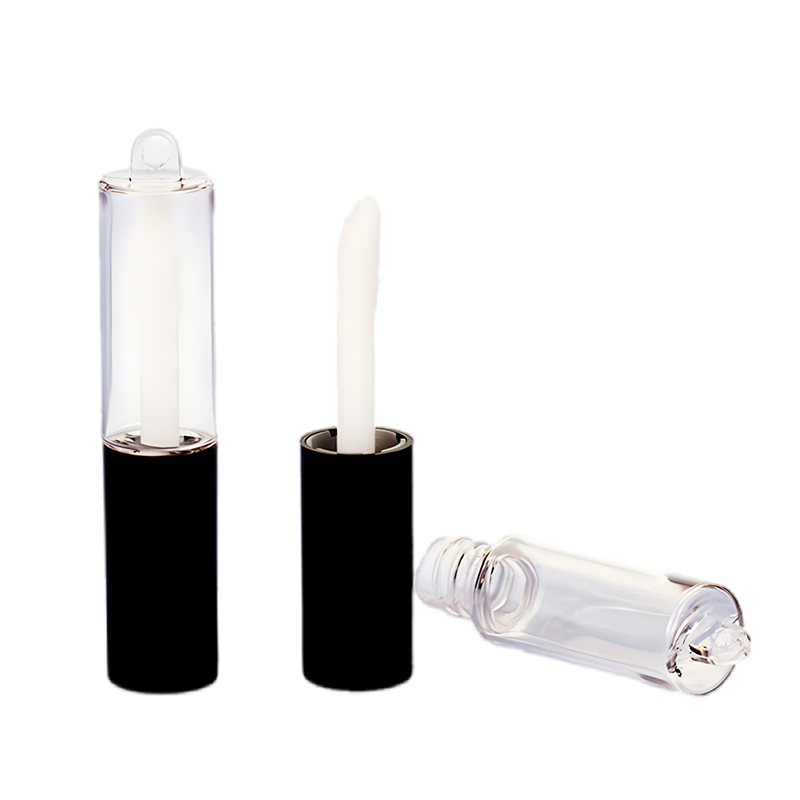
Traditional fixes often add parts. More valves, more liners, more mystery. Yet every extra part adds risk, from QC tolerance drift to leaky joins after a drop test. A clear tube flips the playbook. It uses direct visual control to reduce handling errors. You check the fill line at a glance; you catch micro-bubbles before they grow; you spot pigment settling and swirl it back with a slow roll, not a hard shake. Behind that simple look sit real engineering moves: cleaner injection molding, smoother wiper edges, and a cap torque profile tuned to keep seal integrity under heat. Fewer pieces, fewer failure modes. The clarity is not just pretty; it is practical, measurable, repeatable.
From Transparent to Smart: The Next Comparison You’ll Actually Feel
What’s Next
Now the comparison shifts to tomorrow’s builds. New clear bodies are moving to mono-material designs, so the barrel, cap, and wiper can share a single polymer family for easy recycling. Think lightweight PP with UV-stable additives, or PET with low haze. Wipers get refined durometer for smoother metering. Applicator cores swap in micro-ribs to lay down consistent film without overload. Even the barrel can add subtle volume marks, so you dose before a shoot or a night out—no guesswork. And if you need budget scale, a cheap clear lip gloss tube can still run strong: stable thread pitch, clean weld lines, and an airtight snap feel that passes a standard drop test. Add PCR resin, and you cut footprint without giving up clarity. It’s not magic. It’s design rules applied in the open.
So what should you measure as you choose? Three fast metrics help. One, clarity and haze: can you read tiny fill changes at a glance under normal light. Two, seal integrity: does the cap torque hold across heat and travel; look for leak-free performance after simple shake-and-stand. Three, dosing stability: does the wiper meter a steady swipe across shades and viscosity shifts. If you want extras, check barrier needs (EVOH layers for volatile notes) and assembly tolerances across batches. The headline is simple: visibility trims waste, smarter parts tame wear, and mono-material builds make end-of-life cleaner. That is how the clear tube wins today and upgrades tomorrow—quietly, every time. For thoughtful specs and steady builds, see NAVI Packaging.
