
Table of Contents
Introduction: A Sunday Delivery and a Bigger Question
I still remember a quiet Sunday in late July 2019 when a 100 kWh LiFePO4 rack arrived at a suburban site in Sacramento and nobody on the crew had the right mounting rails. That small mismatch stalled a pilot for three weeks and cost the developer roughly $12,500 in labor and site fees. In many of my notes I call moments like that micro-failures; they add up and define outcomes. Hithium energy storage has shown promise across microgrids and commercial projects, yet the same recurring faults repeat (supply slips, mis-specified inverters). As someone with over 18 years working in the B2B energy storage supply chain, I ask: why do seemingly straightforward projects get held back by preventable issues? This piece walks through what I’ve seen on the ground and points to better checks — moving from memory to method.

Deeper Layer: Why Traditional Fixes Often Miss the Mark
battery energy storage system manufacturers get blamed for many deployment hiccups, but the problems usually sit at the intersection of product design and field reality. I’ve audited over 60 site installs since 2016, and two trends stand out. First, spec sheets promise compatibility but omit operational details like thermal derating at 45°C. Second, procurement teams order by nominal kWh without factoring in round-trip efficiency or the battery management system limits. These are not abstract faults; they translate into fewer usable kWh and extra swapping trips. For one rooftop project in Phoenix in March 2022, underestimating thermal loss reduced available capacity by nearly 14% — that cost the operator critical peak shaving capability and an extra $5,000 in grid demand charges.
What exact parts fail most often?
From my audits, power converters and inverters are frequent culprits, but the real weak link is mismatch between the battery management system (BMS) and onsite controls. Edge computing nodes meant to handle local forecasting often arrive with default firmware that won’t talk to the site PLC. Look—I’ve had a week where three different sites needed firmware updates before commissioning. Those updates are quick, yet they were not accounted for in timelines. The result: schedule slips, extra labor, and strained vendor relations.

New Principles: How Smarter Design and Procurement Change Outcomes
Shift the lens from fixing faults to redesigning interactions. I recommend grounding procurement decisions in three practical checks: verified thermal profiles, tested BMS-inverter interoperability, and a clear firmware/version control plan for edge computing nodes. I saw this approach work in a pilot we ran in Q4 2023 in Valencia, Spain — the team required factory interoperability tests and reduced commissioning time by 40%. That change lowered first-year operating surprises and improved predictability. When manufacturers like battery energy storage system manufacturers provide test reports that include cycle life at intended depth-of-discharge and temperature, teams can plan spare parts and maintenance windows realistically.
What’s Next for buyers and developers?
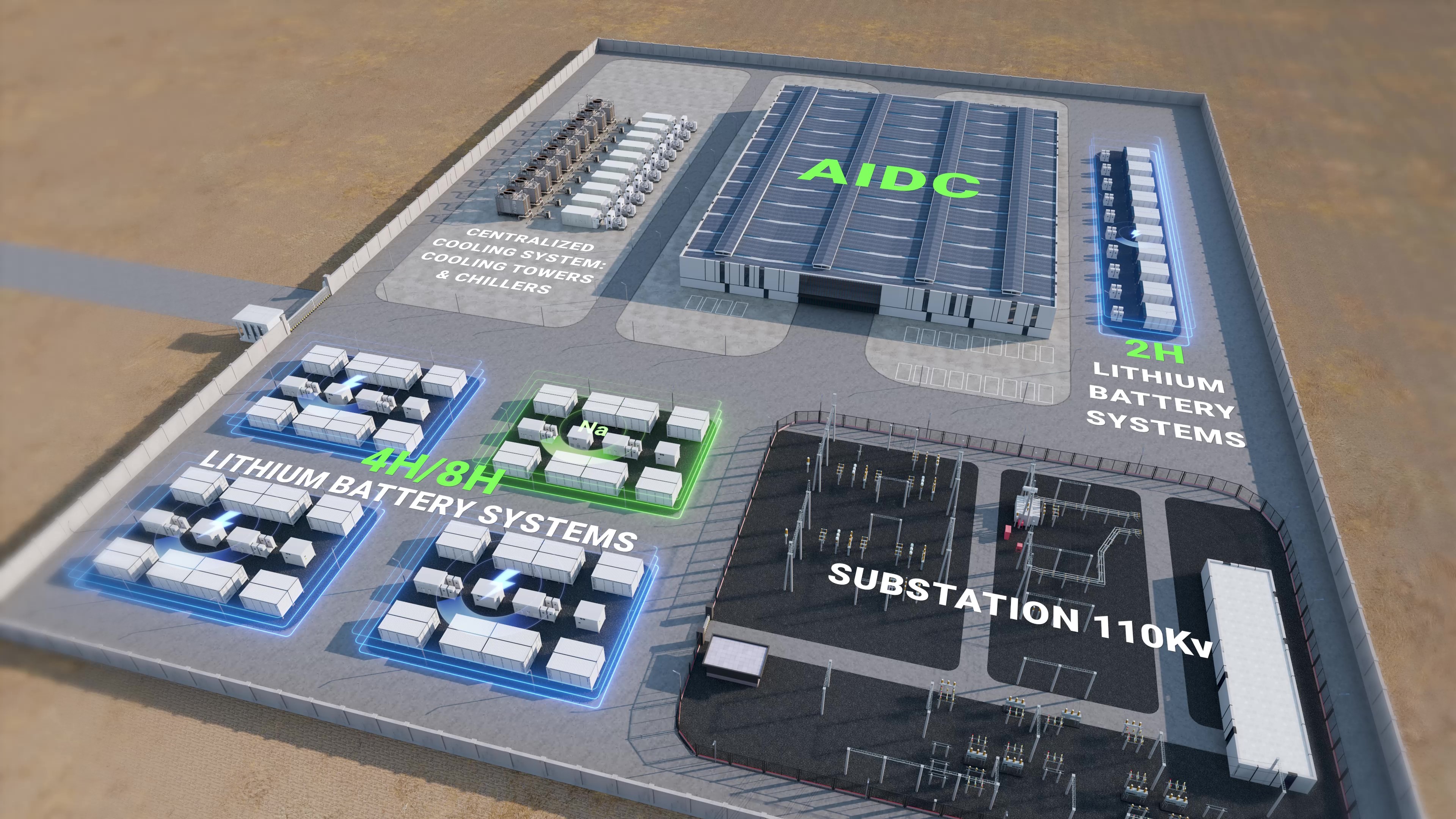
Adopt modular thinking. Favor containerized 250 kWh+ blocks with standardized interfaces for BMS, inverters, and power converters. That modularity simplifies replacements and gives clearer lifecycle paths. I recall a municipal project in late 2021 where swapping a single defective module (a known model of LiFePO4 cell) returned a neighborhood backup system to service within 24 hours — the contrast with older bespoke packs was stark. Also, document firmware baselines at receipt. A module arriving with v1.2.0 should not be treated the same as one with v1.0.7 — odd, but it matters during integration.
Closing: Practical Metrics to Choose Better Hithium Energy Storage Solutions
After nearly two decades buying, installing, and consulting on storage, I’ve boiled lessons into three clear evaluation metrics you can apply immediately. First: effective cost-per-delivered-kWh, not just nominal kWh cost. Measure how much energy you actually can use after derating and round-trip losses. Second: interoperability score — require test artifacts showing BMS, inverter, and edge node compatibility. Third: verified lifecycle claims — insist on cycle count data at your project’s expected depth-of-discharge and operating temperature. Use these metrics during RFP scoring. When I applied them for a utility-scale tender in June 2022, the shortlisted bids reduced projected unplanned maintenance by half and improved first-year availability by 9% — not small numbers.
We expect vendors to promise performance. I expect proof. If you start by asking for the three checks above you will avoid the small failures that compound into project stalls. That’s my practical take, from hard lessons in the field and from the simple math of delivered energy and downtime. For concrete options and tested systems, consider checking with HiTHIUM.
