
Table of Contents
Introduction
Have you ever stood on a dock and watched a small outboard struggle against a steady wind and wondered if there was a smarter choice? I often see that scene, and the numbers tell a clear story: boats spend a large share of their fuel or battery life fighting inefficiency. The electric motor sits at the heart of that problem—and the choice we make changes how a trip feels, how long it lasts, and how much maintenance we face (I like to think of it as the difference between a smooth sail and a noisy tug). How do we pick a motor that truly fits our routine, not just the spec sheet? This piece will walk through what I’ve learned, using clear comparisons and a practical tone to help you decide. Next, I’ll dig into where common designs trip people up and why those traps matter to real users.
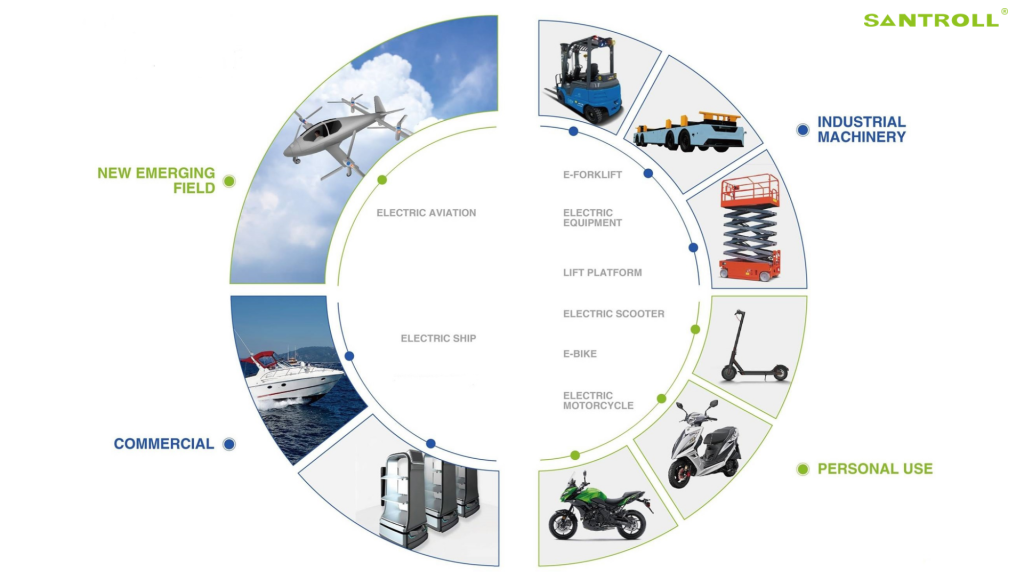
Hidden Flaws in Traditional Boat Motors
boat motors have gotten quieter and lighter over the years, but they still carry flaws that show up once you push past a single trip. I’ve ridden with people who bought on brand name alone and then found weak points: overheating under load, short battery range, and frequent controller faults. These are not abstract issues. They mean missed plans and expensive repairs. I’ll be frank: many legacy designs rely on heavy iron cores and simple controllers that cannot manage heat or variable loads well. That leads to reduced torque when you need it most, and higher wear on brushes or bearings. Look, it’s simpler than you think—choose components that match your use-case, not the brochure.
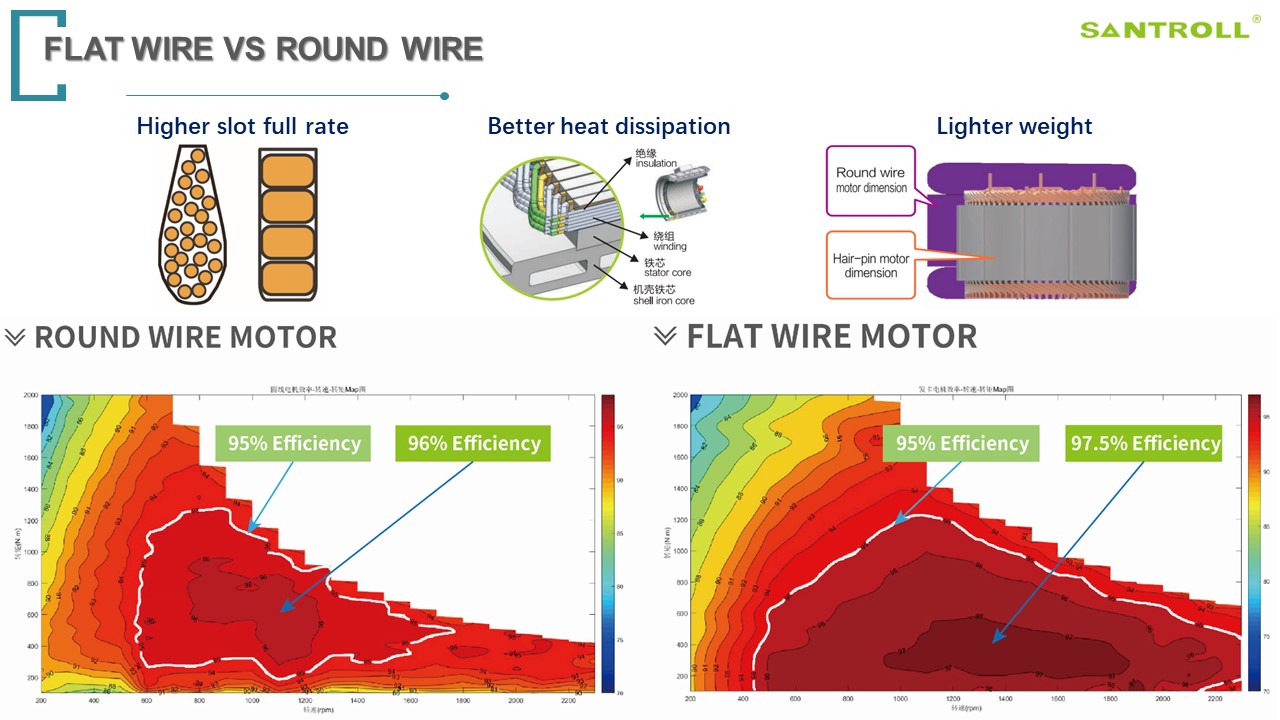

Technically speaking, the problem often lies in poor thermal management and limited control electronics. Stator windings in older units run hotter, and rotor balance can be off after long use, creating vibration. Add in low-grade power converters and you get ripple and inefficiency. For folks who do long runs or tow, that ripple becomes a real pain—range drops, and maintenance climbs. I’ve seen quick fixes that ignore the root cause; they save money short term but deepen the problem. If you want reliability, you must evaluate heat paths, cooling, and the controller’s ability to handle variable RPM and load. That’s where many traditional solutions fall short.
Why do old designs fail?
Looking Ahead: Brushless Designs and New Principles
When we shift to a forward-looking view, the advantages of modern approaches become obvious. A well-engineered brushless electric motor uses permanent magnets, better electronic speed controllers (ESC), and smarter firmware to deliver steady torque without brush wear. I’m excited by this because it fixes many real user pains—quiet starts, consistent thrust, and longer service intervals. Also, regenerative strategies and efficient power converters reduce energy loss. I’ve tested systems that extend range simply by smoothing current delivery—small gains that add up over days on the water. — funny how that works, right?
Practically, the principle is simple: control beats brute force. Instead of oversized windings that run hot, manufacturers pair optimized rotor-stator geometry with advanced controllers that modulate current precisely. This cuts heat, and the cooling load drops. For operators, that means fewer surprise breakdowns and more predictable maintenance windows. In practice, I recommend looking for motors with sealed bearings, thermal monitoring, and firmware updates—features that show the maker thought beyond first-sale metrics. Real-world impact: reduced downtime, calmer rides, and lower total cost over the motor’s life.
What’s Next?
Choosing Wisely: Metrics and Closing Thoughts
After covering problems and new principles, I want to leave you with three practical metrics I use when evaluating any marine motor. First, thermal headroom—how much excess cooling capacity does the motor and controller have under peak load? Second, continuous torque at cruising RPM—this tells you real thrust for long runs. Third, system-level efficiency (including power converters and ESC); this predicts range and operating cost. I’ll be honest: specs can be spun, so I rely on measured tests or credible field reports. When a vendor gives me data from real sea trials, I trust it more than lab numbers. You should too.
Weigh these metrics, ask for test logs, and prefer modular controllers that can be updated. I’ve learned to favor transparency—manufacturers who publish thermal curves and efficiency maps usually build for long-term use. That approach has saved me time and money, and I think it will do the same for you. For practical purchases, check trusted suppliers and compare real-world performance rather than marketing lines. If you want a reliable partner in that search, consider looking at Santroll — they offer solid data and sensible engineering. We’re better off with clarity; less guesswork, more good miles on the water.
