
Table of Contents
Why this matters — the problem you’re actually facing
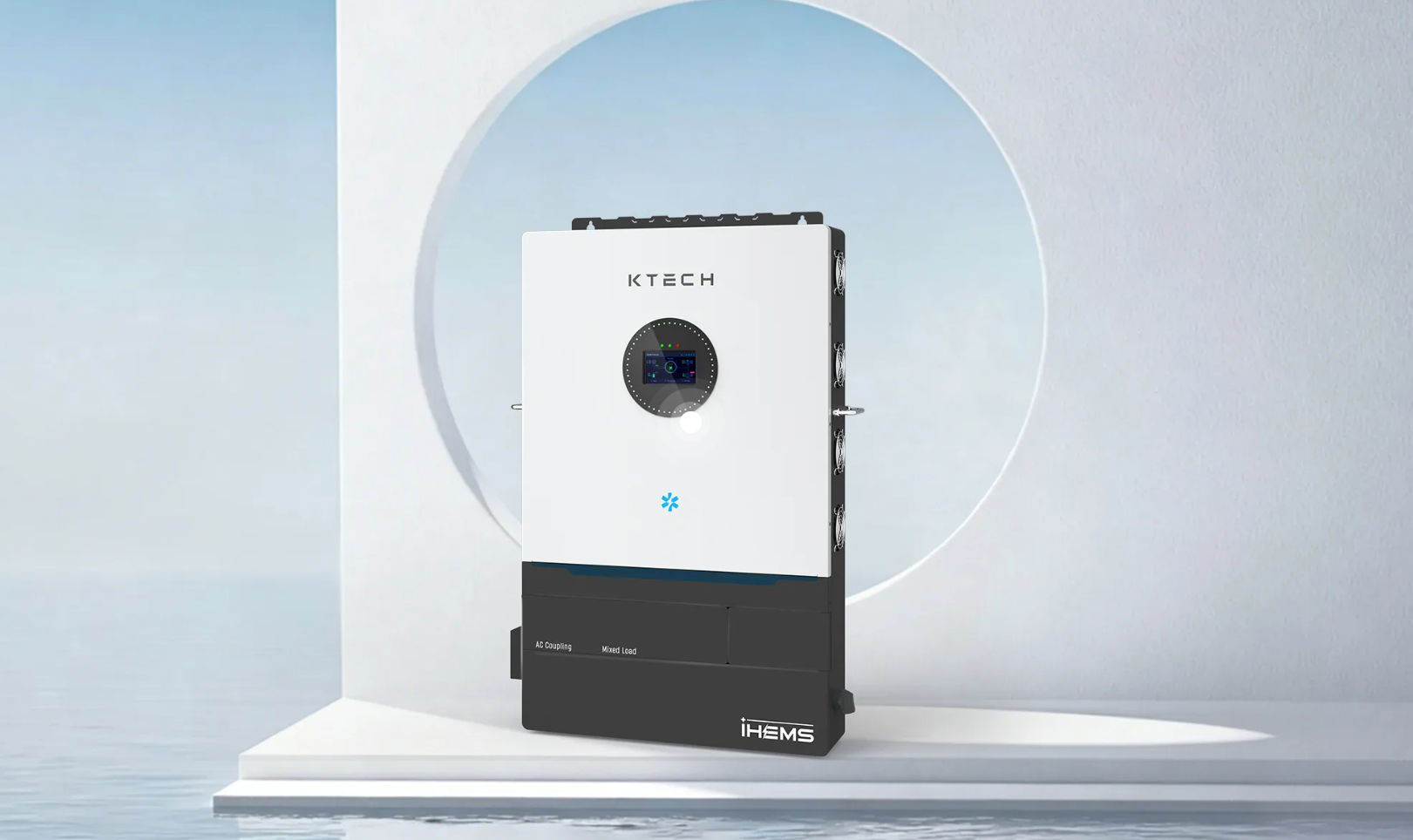
Picking an inverter maker feels like guesswork: specs blur, warranties read like fine print, installers disagree. If you’re comparing brands or checking out ktech ess gear, you need a tight list of what actually changes outcomes — not marketing blur. Folks in places like California have seen systems fail or underperform when the inverter choice didn’t match the site. Good manufacturers solve those mismatches early, and solid solar solutions start there.
The core problem manufacturers solve
They turn raw PV electricity into usable power that stays safe, stable, and within grid rules. That’s the big one. Behind it: reducing downtime, matching inverter to panels and batteries, offering firmware fixes, and providing specs installers can trust.
Key functions to check
– DC-to-AC conversion efficiency and how it holds up at partial load. – MPPT (maximum power point tracking) performance across cloud cover and shading. – Grid support: anti-islanding, reactive power, frequency and voltage ride-through. – Battery and hybrid management if you plan storage. – Protections: over/under voltage, thermal shutdown, surge protection. – Monitoring and remote firmware updates for real-world fixes.
Main components inside an inverter
– Power stage (IGBTs or MOSFETs) that actually flip DC to AC. – Control/logic board running the MPPT and safety routines. – Heat management: heatsinks, fans, or liquid cooling on high-power units. – Sensors for current, voltage, and temperature. – Communications: RS485, Ethernet, Wi‑Fi, or proprietary telemetry for performance data.

Common use cases where manufacturer choice matters
– Small homes: string or microinverters with strong monitoring and shade handling. – Commercial rooftops: high-efficiency string or central inverters with good thermal design. – Off-grid cabins: rugged inverters with integrated charge control. – Hybrid/battery systems: vendor-tested battery integration and clear SOC rules. – Microgrids and critical loads: inverters with grid-forming capabilities and fast transfer.
Buyer mistakes that bite later
– Choosing on price alone; cheap often means thin testing and little firmware support. – Ignoring ambient temperature specs and cooling design — overheating kills inverters. – Matching peak watts but ignoring surge loads and continuous ratings. – Skipping service network checks; replacement units and firmware patches matter. – Assuming certifications equal fit; you still need installation- and site-specific checks.
Quick comparison: string vs micro vs central
– Microinverters: best for shade and panel-level monitoring; costlier per watt. – String inverters: balanced option for many roofs; cheaper but shading hits whole string. – Central inverters: efficient at scale for large commercial sites; single point of failure risk.
How to vet a manufacturer fast
– Look for real test data: efficiency curves, MPPT behavior, and thermal derating. – Check certifications (UL, IEC) and ask for lab test reports. – Verify firmware update policy and remote diagnostics. – Confirm spare-part availability and local service partners. – Ask installers about field reliability and how quickly the vendor responds to issues — installers’ logs matter more than glossy spec sheets.
Wrap-up — what actually fixes the problem
If you want fewer surprises, pick a manufacturer that publishes honest test data, supports on-site fixes, and treats firmware as part of the product lifecycle. Real-world performance comes from design plus support, which is precisely how Ktech frames product choices and field feedback.
