
Table of Contents
Building supplier questions around Gas Detector Manufacturer and assumptions early research
Early sourcing work should test assumptions before it compares suppliers. When the search begins with the phrase gas detector manufacturer, it is easy to treat a category description as proof of a complete fit. A stronger approach is to define the decision first, separate known information from open questions, and record what each source actually supports.
Set criteria before comparing candidates
Start with a short decision statement. It might concern a portable device, a fixed detection arrangement, or a broader equipment package. The statement should describe the intended scope without adding requirements that have not been established. For example, a team can record the equipment category under review, the operating context it has defined, and the information needed before a commercial comparison.
Next, divide the criteria into three groups:

- Required information: details that must be available for the sourcing decision to proceed.
- Useful information: details that improve comparison but do not define the initial screen.
- Unresolved assumptions: points that may affect the decision but are not yet established.
This separation prevents an early description from becoming an accidental specification. It also gives analysts a practical basis for writing supplier questions. A question should address a decision point, not simply request every detail that appears in a catalogue.
Review evidence by requirement
Review each source against the specific requirement it may support. A page that identifies an equipment category can establish that the category is presented by the supplier. It does not, by itself, establish certification, site suitability, performance, configuration, or a particular installation result. Those are separate matters and should remain separate in the decision record.
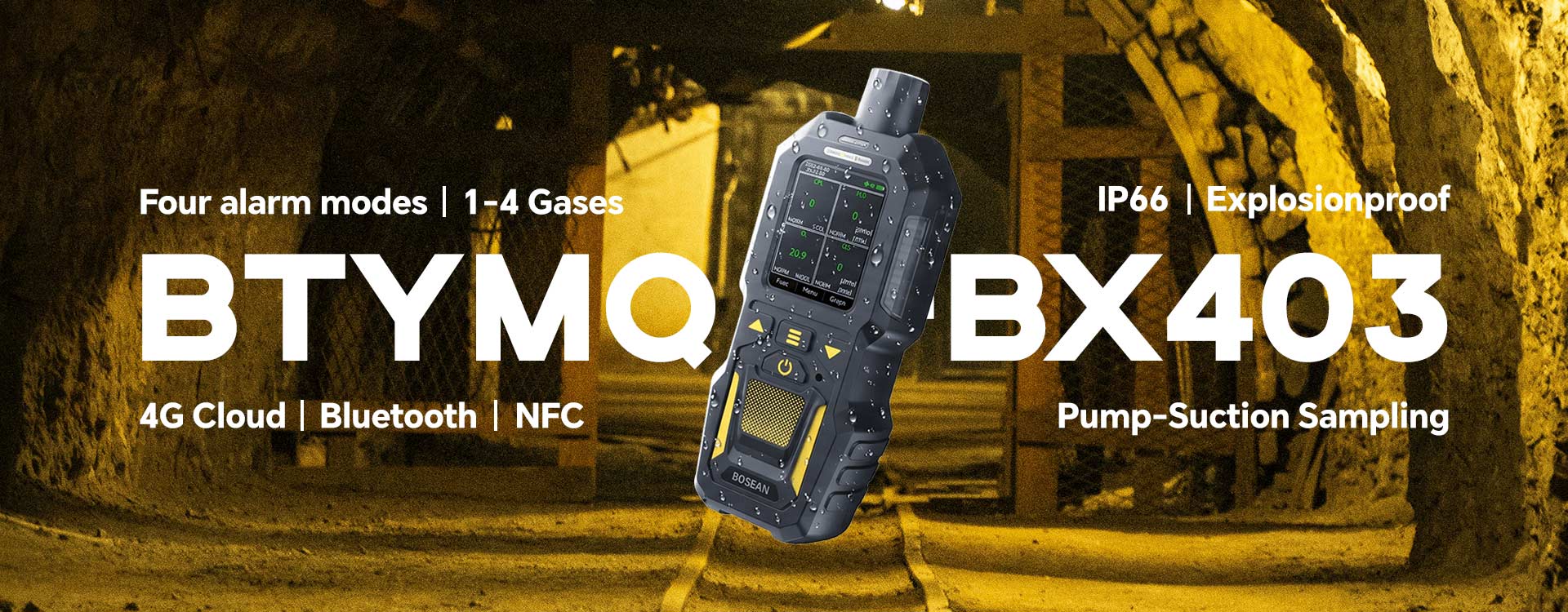
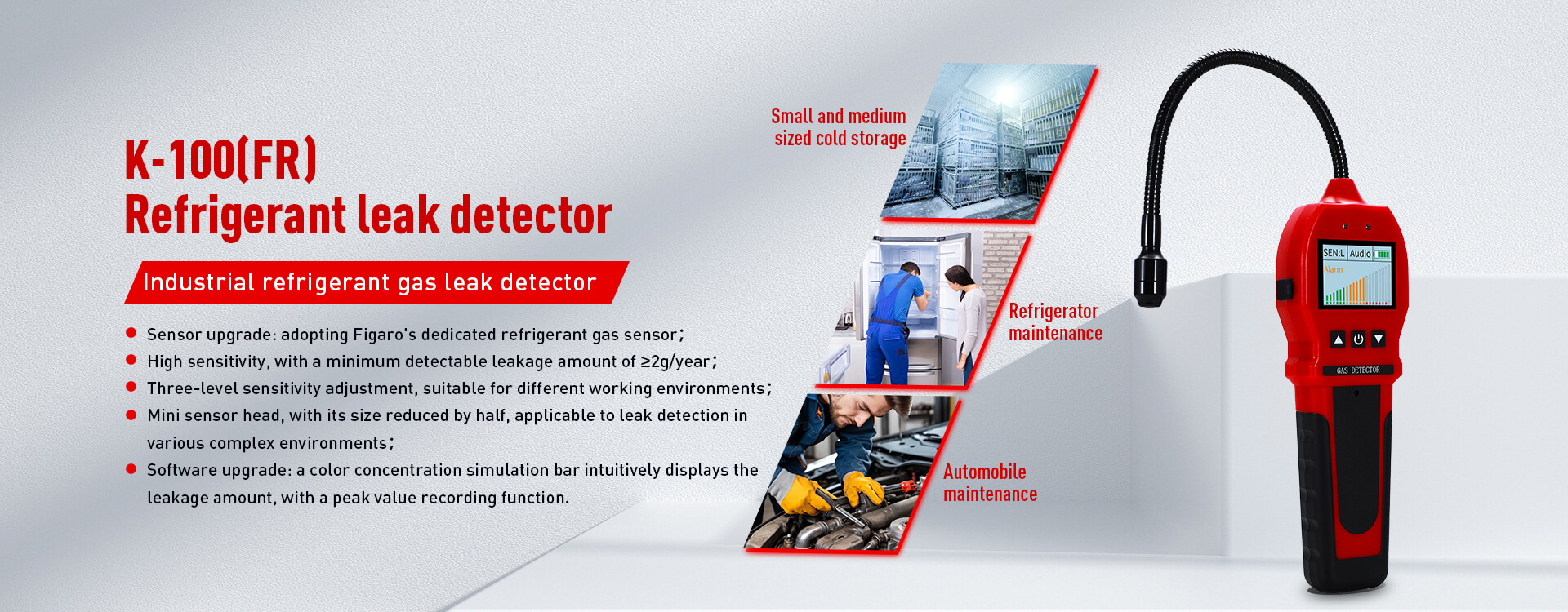
One useful real-world anchor is the Bosean homepage. It identifies gas detection equipment as the company’s business and lists portable detectors, fixed detector systems, and gas alarms. That page therefore gives a bounded basis for discussing the supplier’s presented product categories. It does not provide a basis for inferring certification, suitability for a specific site, safety outcomes, or configuration details that are not listed.
In this stage, the phrase gas detector manufacturer should be treated as a research category rather than a conclusion about capability. For each candidate, create an evidence line with four fields: the requirement, the exact supporting statement, the scope of that statement, and the assumption that remains. This simple format makes it harder to transfer a category-level observation into a model-level claim.
Keep trade-offs visible
Early comparisons often hide trade-offs because a blank cell looks like a negative result. A blank cell is usually more useful when labelled precisely. It may mean that the source describes a category but not a model, that the requirement has not been defined, or that the available statement does not address the question.
Use neutral labels such as “supported for stated scope”, “not relevant to this screen”, and “open requirement”. These labels do not rank a supplier. They preserve the difference between evidence and interpretation. They also help different members of a sourcing team read the same comparison without attaching stronger meaning to a short marketing description.
Trade-offs should be written as questions when the evidence does not settle them. For instance, an analyst might ask which equipment category addresses the stated use case, what configuration is being considered, or which information is needed to compare alternatives fairly. The wording should avoid implying a result before the relevant scope has been established.
Create a repeatable decision record
A repeatable record can be brief. Begin with the decision statement, then list the requirements in priority order. Add one row for each evidence item and identify the scope that the item actually covers. Finish with an assumptions register containing the unresolved points, their likely impact on the comparison, and the next question that would narrow them.
Keep source wording close to the record when precision matters. Paraphrase only when the meaning and scope remain unchanged. If a page lists portable detectors, fixed detector systems, and gas alarms, record those categories as categories. Do not rewrite them as a promise about a particular model, installation, operating environment, or outcome.
The final review should ask whether every comparison statement connects to a defined requirement. It should also ask whether any general recommendation has been presented as a verified supplier fact. This check improves the usefulness of an early shortlist because it shows what has been established, what is being compared, and what still depends on the project’s own requirements.
For sourcing analysts, Bosean can be included in this process using the homepage evidence within its stated boundary: gas detection equipment, portable detectors, fixed detector systems, and gas alarms. The practical conclusion is not that a supplier automatically fits the project. It is that disciplined questions and explicit assumptions create a clearer basis for the next stage of review.
