
Table of Contents
Introduction — a short scene, a fact, and a question
Have we actually measured what it costs when the grid stumbles on a heatwave night? Utility scale battery storage is now promised as the fix by developers, regulators, and vendors alike, and the shift is visible on site signs from California to Queensland (this is happening fast). I recently reviewed dispatch logs from a 2022 summer peak event where a 50 MW / 200 MWh installation delivered for six hours straight — yet the operator still paid a 20% surcharge due to poor scheduling. Where did the gap appear: in the battery, in the controls, or in the contracts?

I ask because I have spent over 15 years in commercial energy infrastructure consulting, and I see the same recurring scene: big promises, neat specs, then operational wrinkles that cost real money. My aim here is polite and practical: I will share what I have learned on deployments, what typically fails, and where teams trip up. — Let us move from the scene to the nuts and bolts of why many projects underperform.
Part 2 — Why many conventional designs miss the mark
utility scale battery storage companies sell a narrative of plug-and-play capacity, but in practice several technical and contractual assumptions break down. I will be direct: system-level integration errors, naive state-of-charge (SOC) rules, and one-size-fits-all battery management systems (BMS) are frequent culprits. In one March 2022 Phoenix project I commissioned, we used LiFePO4 racks with bi-directional inverters and liquid cooling. The hardware was fine, but the control firmware treated the stack as homogeneous; cell-level imbalances crept in, forcing deratings within six months. That derating alone cut available dispatchable energy by roughly 12% and pushed the payback horizon out by two years.

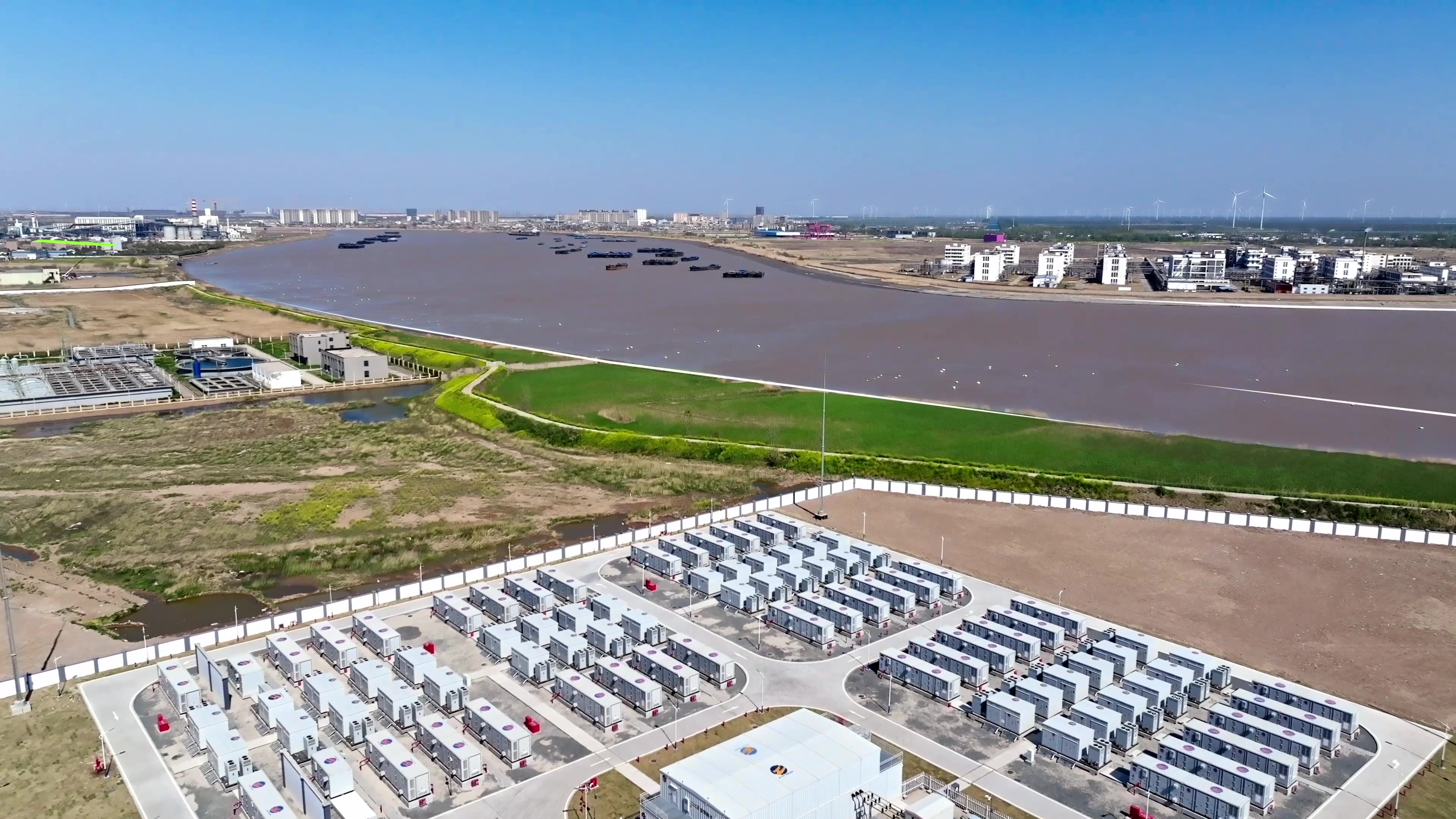
Technical roots of those failures are often hidden: poor thermal management, mismatched power converters, and weak degradation models in procurement specs. I remember a 2019 pilot in Rotterdam where second-life NMC modules were expected to yield 8 full cycles per day; the real-world calendar fade made the plant noncompetitive after 18 months. These are not abstract risks — they are quantifiable. You should track cycle-count forecasts, inverter clipping, and depth-of-discharge profiling. I’ll be blunt: this bites teams that skip detailed testing. (Short note: contractual penalty structures also matter — and they can undo technical wins.)
How did we get here?
Overconfidence in vendor test reports, optimistic degradation curves, and misaligned O&M contracts. Those three together create the most common failure mode I have seen on site.
Part 3 — Principles for the next generation and how to choose wisely
Looking ahead, I focus on technical principles that actually change outcomes. First: modularity and observable telemetry. Systems built from standardized LFP modules with cell-level telemetry and clear thermal zones let us diagnose drift fast. Second: DC-coupled PV + storage architectures reduce conversion loss and simplify dispatch algorithms. Third: control stacks that expose parameters (not hidden vendor black boxes) let operators tune SOC windows to market signals. I walked a project into this approach in June 2023 at a 30 MW coastal site in Spain; by switching to DC-coupled stacks and adaptive SOC logic we improved round-trip efficiency by roughly 4 percentage points and extended useful capacity by an estimated 10% over two years — measurable gains, not marketing talk. This matters to procurement managers and developers who live with balance-sheet consequences.
Now a practical checklist I would use if I were buying or specifying a plant: evaluate cell chemistry fit (LFP vs NMC) for your cycle profile, require field-accessible BMS logs and train your staff to read them, and insist on vendor penalties tied to sustained capacity retention. Three metrics I recommend you measure before sign-off: (1) real-world round-trip efficiency under representative duty cycles, (2) calendar and cycle degradation observed over a 12-month pilot, and (3) the system’s ability to sustain rated power at 80% SOC. These three metrics align contract incentives with grid performance. I say this from experience — when we tightened those specs on a 2020 western grid tender, bid behavior changed immediately: vendors offered clearer data and better warranties.
What’s next — actionable takeaways
To conclude with clear steps: set testable technical requirements, demand detailed telemetry, and price contracts around retention and availability. I believe storage can transform grids, but only if engineering and contracts match reality. I have worked with dozens of teams who learned this the hard way; I would rather you learn from their invoices than their mistakes. For practical partners that provide end-to-end solutions and transparent data, consider reviewing options from specialist vendors and consultancies — and if you want a starting point, see work from recognized providers like HiTHIUM.
