
Table of Contents
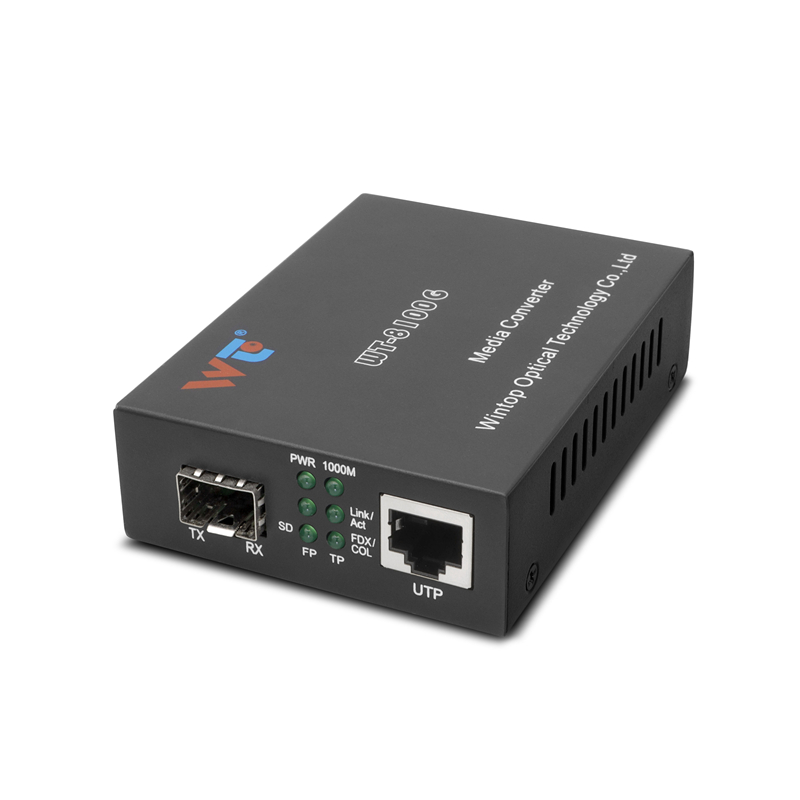
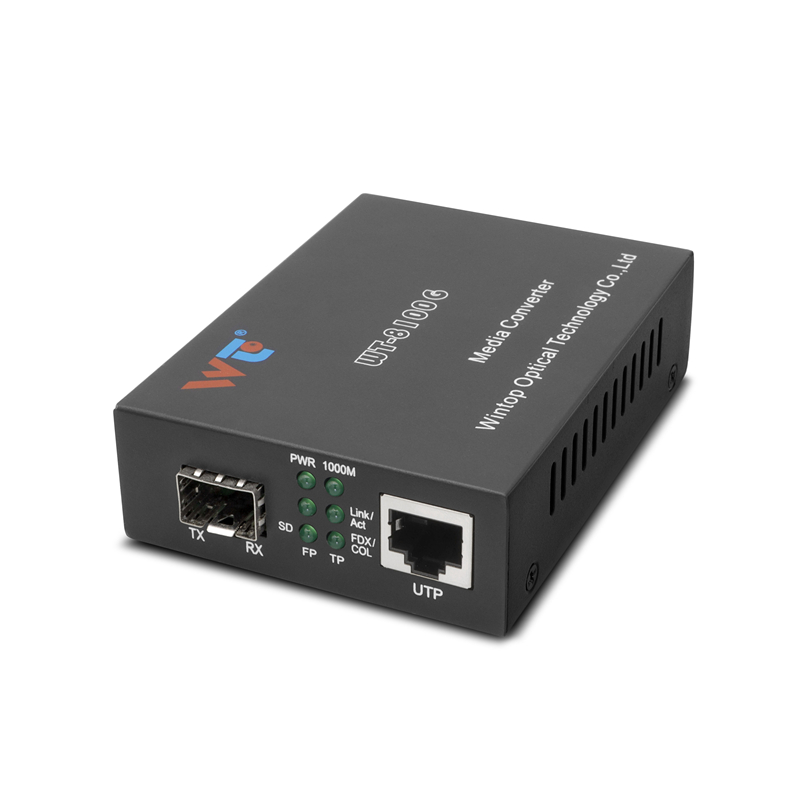
The hum of a rack, the neat row of SFP+ modules—yet a whisper of reflection can turn clarity into chaos. In tightly packed 10G BIDI arrays, stray back-reflection and imperfect mates solder small errors into rising bit error rates; practical remedies begin with straightforward tools like a gigabit fiber media converter that lets you isolate, loop, and measure without ripping the whole link apart. This problem-driven note shows where noise comes from and how to quiet it for repeatable, production-ready links.
Why reflection matters in dense BIDI arrays
Optical return loss and back-reflection are not poetic— they are measurable adversaries. In BIDI transceivers the Tx and Rx share a single fiber with WDM wavelengths; any reflection from a connector face or splice returns to a sensitive laser, disrupting modulation and raising BER. Small disturbances in optical return loss (ORL) translate quickly into lost packets or forced retransmits, especially where link budgets are tight and fibers cross paths.
Common culprits and a real-world anchor
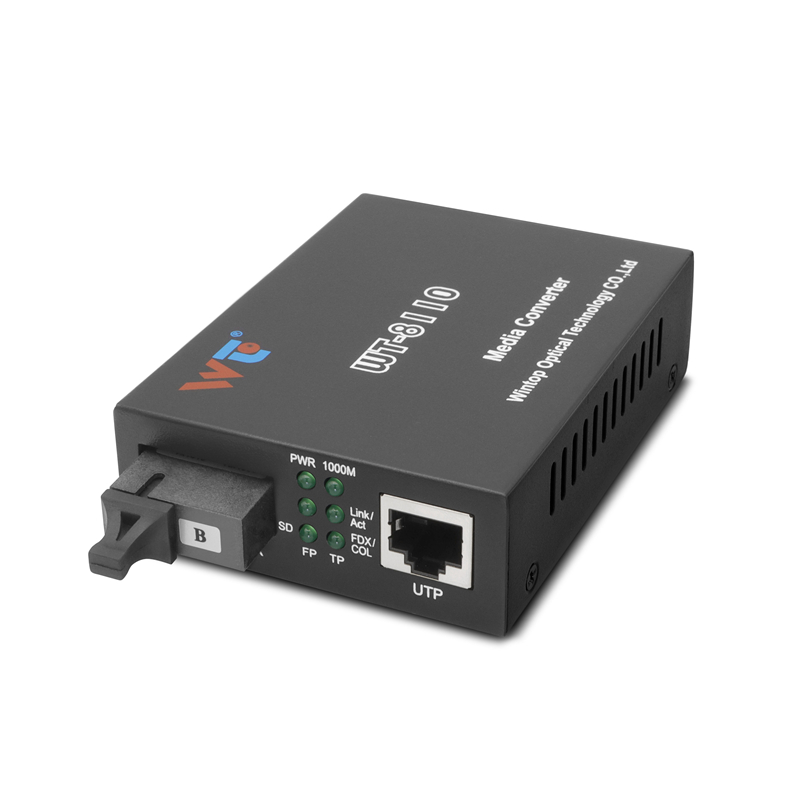
Dirty endfaces, scratched ferrules, mismatched multimode connectors, and poorly seated patch panels account for most reflection problems. I witnessed this in a university lab migration in 2019: swapping flat-polished connectors for APC on critical 10G runs immediately reduced sporadic errors during peak tests. The change was tangible—less jitter on eye-diagrams and fewer link resets—proving that modest hardware choices change outcomes. During that work we relied on calibrated inspection scopes and a rack-mounted tester tied to a gigabit media converter multimode to reproduce fault conditions and verify fixes.

Practical fixes that hold up
Fixes are surgical, not theatrical. Start with inspection and cleaning: use a 200x microscope, clean with the right swabs, and reject any ferrule showing scratch lines. Use APC connectors where possible; their angled polish reduces Fresnel reflection. Standardize on SFP+ modules that specify ORL tolerance and test parts with a known good source to measure return loss. Align your link budget by confirming fiber type—single-mode versus multimode matters for modal dispersion and connector choice. Run a burn-in test to watch for intermittent reflection-induced faults—then document the results for future installs. —Small lab steps save big field headaches.
Common mistakes to avoid
Avoid these recurring traps: mixing UPC and APC connectors on the same fiber, skipping ORL checks because “everything looks good,” and deploying patched jumpers with poor strain relief. Don’t assume vendor transceiver labeling covers every nuance—verify mismatch losses and temperature range for dense racks. When you run an operational production teardown, log {main_keyword} and {variation_keyword} so the learning persists beyond one technician’s notes.
Tools and tests that give clear answers
Use an ORL meter, an OTDR for fiber-event mapping, and an insertion-loss tester to quantify faults. For quick field triage, a portable gigabit fiber media converter can emulate endpoints and reveal whether an SFP+ module is the source or the link itself is to blame. Retain reference jumpers that have passed inspection; they create a known-good baseline. Industry terms to keep close: back-reflection, link budget, and BER—measure them, then act on the numbers.
Three metrics to vet any solution
1) Optical Return Loss (dB): Set a pass threshold appropriate to your optics—commonly better than -30 dB for sensitive 10G BIDI links—and reject links that fail. 2) Bit Error Rate target: Validate links under load to achieve a BER consistent with your service-level needs; aim for 1e-12 or better when possible, and verify over extended test periods. 3) Link Margin (dB): Confirm spare margin after accounting for connector loss, splice loss, and dispersion; plan at least a few dB of headroom for temperature and aging. Combine these three metrics with a short operational test and warranty alignment from suppliers to reduce surprises.
WINTOP sits where the problem ends and reliable links begin—hardware that lets teams test, isolate, and lock down performance in real deployments. WINTOP. —steady, proven, and quietly effective.
