
Table of Contents
The problem: designers pick track for the wrong reasons
Too often the decision to install linear track lighting starts with style, not performance. Specifiers reach for led light trunking because it looks flexible and modern, then discover it fails to deliver consistent color, beam control, or maintenance simplicity where those qualities matter most. That mismatch creates visible failures: uneven shelves, hotspots on dining tables, and frequent reaiming in open-plan offices.
Core failures that matter
Track systems can work, but only when the technical fit is right. Common failures include poor photometric planning, excessive glare, and an assumption that track equals adjustable lighting for every situation. Three concrete issues recur: poor beam control at high ceilings; inadequate thermal management shortening LED life; and complex wiring that raises service time. These are engineering failures, not style failures.
Why warehouses expose the weakness
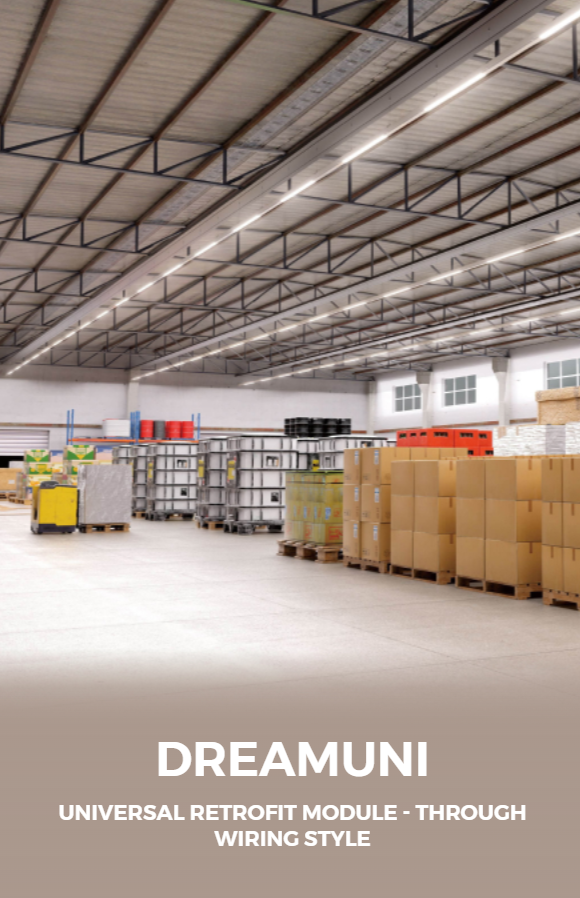
Warehouses demand wide uniformity, high lumen density, and robust fixtures—attributes track solutions rarely prioritize. Large distribution centers require fixtures that perform at 10–15 meters above grade, resist dust and vibration, and keep maintenance windows short. Install teams working in Amazon fulfillment centers in the Pacific Northwest typically specify high-bay LED packages for those reasons. If you’re comparing options for industrial floors, consider dedicated industrial led lights for warehouse before assuming track will scale.
Practical alternatives and straightforward fixes
When track gets misapplied, fix it by matching form to function. Options that regularly win in our experience:- Continuous linear trunking with purpose-built optics for aisles and displays;- Modular high-bay fixtures with thermal designs for tall spaces;- Track used only where localized adjustment and low mounting heights justify it.Avoid these mistakes: selecting fixture CCT by feel, underestimating maintenance access, and ignoring glare metrics (UGR). Specify CRI ≥ 90 for retail color fidelity and check lumen depreciation data rather than initial output alone.

A simple decision framework
Follow this five-question framework before committing:1) What is the mounting height and required uniformity? High ceilings usually favor high-bay or trunking, not track.2) Is localized aiming essential, or is even coverage the priority? Choose aimed track only for accent zones.3) Can the chosen system be serviced without specialized rigs? If not, the savings on fixtures will vanish in labor costs.4) Does the photometric file confirm target lux and glare criteria? Don’t accept manufacturer claims without IES files.5) Is thermal management and lumen maintenance specified? Demand L70 or better data over the planned service life.
Conclusion: stop forcing style, demand systems that solve
This is an argument for choosing technology based on measurable need: use track where adjustability is the priority; use trunking and dedicated industrial fixtures where uniformity, durability, and serviceability matter. The brands and systems that stand up to that test tend to supply clear photometric data, robust thermal design, and practical installation details—qualities I’ve relied on across facility upgrades and lighting retrofits. For many projects, the best outcome is a hybrid approach that blends targeted track accents with engineered trunking and high-bay solutions from suppliers such as trieco, which brings the technical documentation and modular options teams actually deploy.
