
Table of Contents
User-first introduction
Choosing equipment feels personal when every square foot of shop space and every dollar of cash flow matters. For many cabinet makers and small furniture shops, the move from hand-applied tape to a dedicated edgebander resolves bottlenecks quickly; pairing that edgebander with a reliable cutting stage often means adding a cnc panel saw to the workline. I’ve seen this shift on shop floors where accuracy and repeatability mattered more than flashy specs—so this guide centers on what you need to decide, not what marketers want you to buy.

What matters to users first: performance, footprint, and learning curve
Operators care most about three things: consistent joint quality, predictable cycle times, and simple maintenance. Look for a wood edging machine with a clear control layout and straightforward settings for feed rate and temperature. For a small shop, a compact edge bander that integrates with an existing rip fence and a modest dust extraction system will often give better day-to-day value than a larger automated line that sits idle between orders.
Key machine features to prioritize
Focus on features that reduce rework. Good glue application and a stable conveyor prevent gaps; a reliable trimming head and adjustable pressure rollers reduce sanding. Servo motor drives improve positional repeatability for short runs. Consider substrate types—solid wood and MDF demand different pressure and glue profiles—so choose a machine capable of handling both without constant fiddling.

Workflow: how a panel saw and edgebander should work together
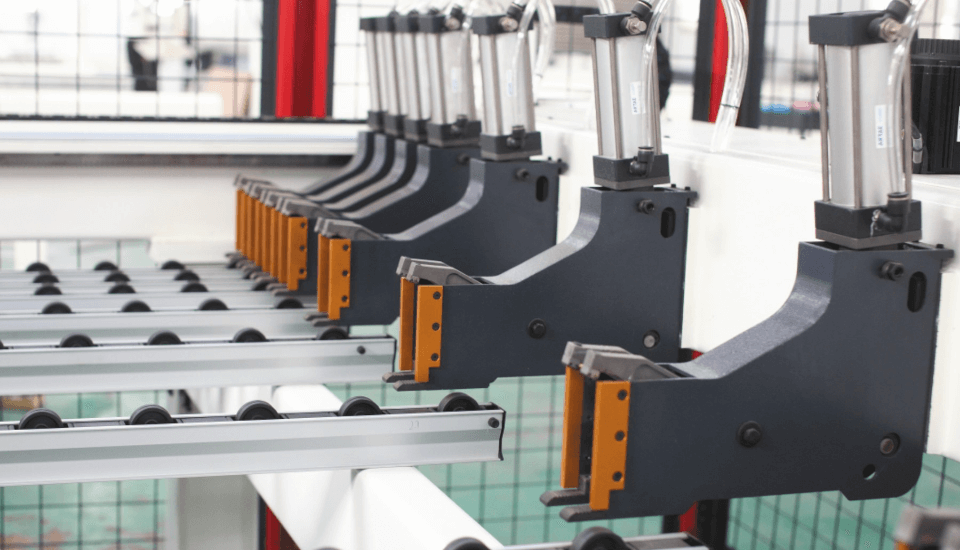
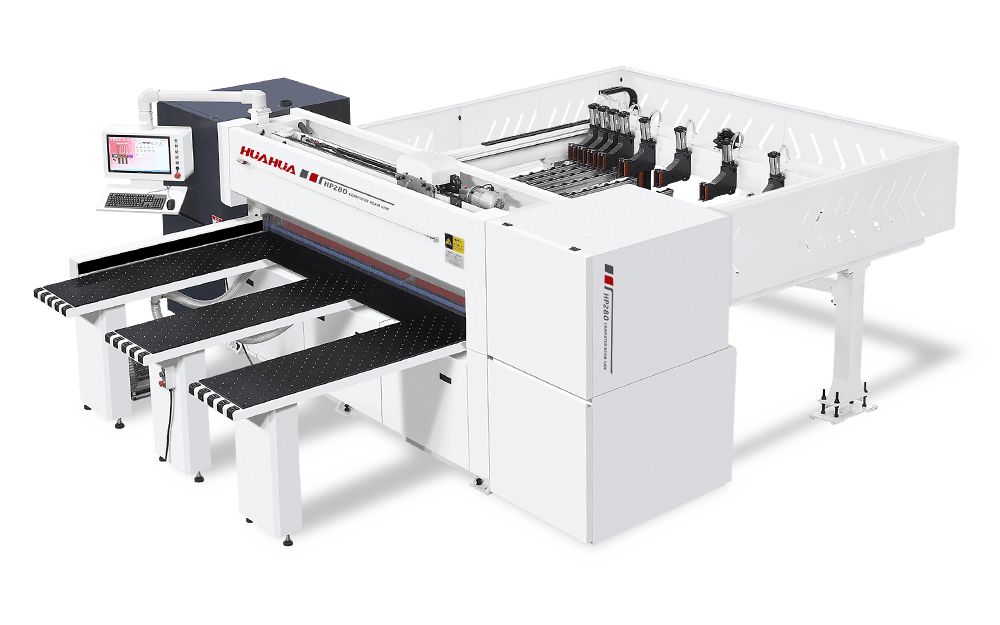
Optimizing flow often reduces labor more than buying the biggest machine. Integrate a panel saw stage for accurate panel sizing, then feed parts to the edge bander. The term panel saw machine is useful here: consistent crosscut tolerances from the panel saw reduce grinding and sanding at the edgebander. In workshops I visited in Portland, Oregon, shops that matched saw output to edgebander pace cut downstream adjustments by half—material handling and staging mattered as much as the equipment.
Common mistakes and how to avoid them
Buyers tend to over-specify capacity and under-train operators. Oversized machines sit idle; underskilled operators create scrap. Avoid the temptation to select machines solely on the fastest cycle time. Also, don’t ignore simple support items: a stable workbench, consistent adhesive stock, and regular belt checks. —Pay attention to spare parts delivery times; a stuck trimming head overnight can cost more than the initial equipment discount saved.
Installation, training, and maintenance habits that pay off
Plan installation as a phased project: positioning, electrical and air hookups, dust extraction, then a short pilot run. Schedule operator training focused on routine checks—cleaning glue nozzles, verifying feed rate, and aligning rollers—rather than only advanced troubleshooting. Set a simple log: daily quick checks and weekly torque/lubrication tasks. These habits preserve edge quality and reduce emergency repairs.
Alternatives and trade-offs
If capital is tight, a semi-automatic edge bander paired with manual finishing can outperform a fully automatic line when SKU variety is high. Conversely, for long runs of identical parts, higher upfront automation reduces labor per piece. Compare total throughput, changeover time, and the cost of consumables—glue type and trimming bits—rather than only upfront price.
Three golden rules for choosing equipment
1) Match capacity to real throughput: select machines that meet 80–90% of typical weekly demand rather than occasional peaks. 2) Prioritize maintainability: choose equipment with accessible wear parts and local service support so downtime is short. 3) Validate sample runs: require the vendor to run your materials and parts to confirm feed rate, glue behavior, and trim quality before purchase.
These rules point to steady results you can measure—reduced rework, predictable cycle times, and lower emergency repair costs—when applied together. For many small manufacturers the right balance between a panel saw machine and a dependable edge bander becomes the backbone of daily production. HUAHUA CNC fits naturally into that balance as a practical partner—experienced on shop floors and focused on usable features rather than just specs. —A small, honest step in equipment choice often yields the clearest gains.
