

Table of Contents
Rising to the Challenge of Customization
Imagine walking into a manufacturing facility where every machine hums with precision, and every worker holds a smile—sounds a bit utopian, doesn’t it? Statistics suggest that over 75% of companies struggle with the traditional methods of producing custom items. Enter on-demand manufacturing, the child prodigy of the industry. But do we really understand what “custom production services” are actually delivering? Truth be told, it’s not all rainbows and sunshine.

Why Traditional Solutions Struggle
When I think about traditional production methods, I’m reminded of a convoluted maze. You navigate through layers of order paperwork, wait weeks for a prototype, and then, guess what? You realize it’s still not what you envisioned. It’s almost as if these systems thrive on creating pain points for us. The hidden costs—materials lost, time wasted—add up quickly, and with project deadlines looming, the stress can feel insurmountable. We need to rethink how we interact with manufacturing, or else we’re doomed to repeat the same frustrating cycle.
Can On-Demand Manufacturing Save Us?
Embracing a Better Way Forward
So, what’s next for us frazzled buyers? On-demand manufacturing isn’t just a buzzword; it’s a revolutionary approach. With custom production services, companies can pivot away from traditional rigid models and adapt quickly. I’ve seen brands swap long lead times for rapid turnarounds, waking up to the power of customer preferences. This flexibility allows us to engage in real-time design adjustments, which is a beautiful thing—especially in a world where trends flicker out of relevance faster than you can say “backorder.”

Real-World Impact of the Shift
The cherry on top? Variable manufacturing costs. And yes, that means knowing you aren’t shelling out a fortune for products gathering dust in an overstock warehouse. This is a game changer, folks! The risk of holding excess inventory dissipates, and companies can finally breathe easy. Just think: you design, you produce, and you sell—it’s that straightforward.
How Do I Choose the Right Service?
In navigating this new terrain, you’ll want to consider a few critical metrics. First, examine the prototype turnaround time; no one wants to dwell in the land of limbo. Second, assess the service provider’s past projects—what do their success stories look like? Finally, consider their technology; are they leveraging advancements like 3D printing or AI in their processes? These elements can gauge their readiness to meet your demanding standards.
Reflecting on Our Journey
As I wrap my thoughts around this evolving landscape, it strikes me that we’ve all been scraping by, hoping for better options. From the archaic processes that were cemented ages ago to the adaptive flexibility of on-demand manufacturing, the choice is glaringly clear. Our traditional pain points are begging for a remedy, and with custom production services, I firmly believe we’re edging closer to that sweet spot of efficiency and satisfaction. I remember the relief of finally receiving a prototype that matched my design—a hard-fought battle that seems worth it now.
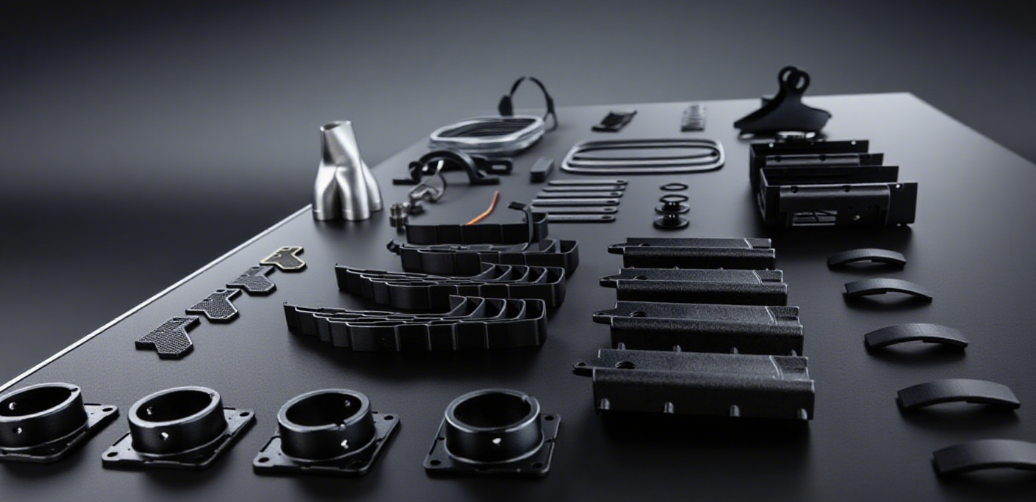
In the end, it’s not just about what’s available but how effortlessly we can integrate these solutions into our operational workflows. As we embrace this shift, let’s not forget: companies like Livepoint are leading the charge, proving that manufacturing can indeed be more than just a maze of grievances.
